
Go Beyond the Color Wheel
When dressing for a semi-formal event, the usual advice revolves around a predictable set of colors: black, navy, or rich jewel tones like emerald and burgundy. This is sound advice, but it’s incomplete. Simply picking a “safe” color doesn’t guarantee
a successful outfit. Have you ever seen someone in a simple black dress who looked absolutely stunning, while another in the same shade faded into the background? The difference isn't the color—it's how the color is presented. The most sophisticated palettes are built not just on hue, but on a hidden detail that gives color its life: texture.
The Real Secret: It's All About Texture
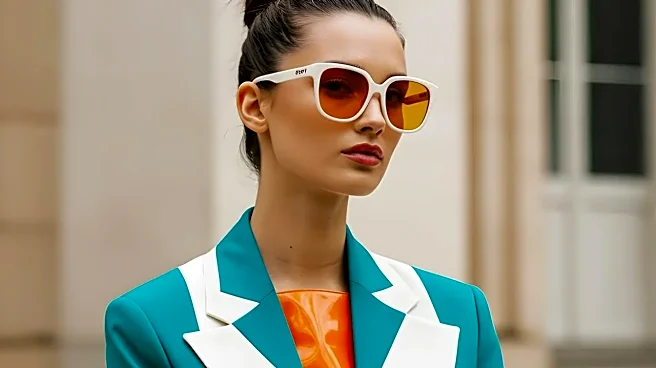
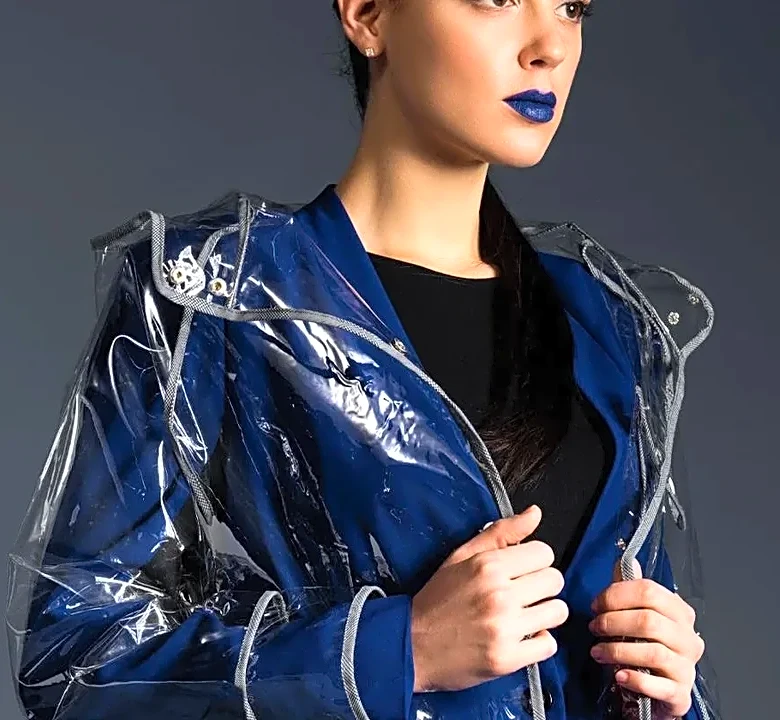
Texture is the surface quality of a fabric. Is it smooth and shiny like satin, plush like velvet, matte like wool, or delicate like lace? This quality dramatically affects how color is perceived. Shiny surfaces, such as silk or satin, reflect light and make colors appear brighter and more intense. Matte fabrics, like crepe or flannel, absorb light, giving colors a deeper, more subdued quality. This is the hidden tool stylists use to create depth and interest. A single color can look completely different depending on the material, and mastering this concept is the key to unlocking truly chic cocktail attire.
Putting It Into Practice: Monochromatic Magic
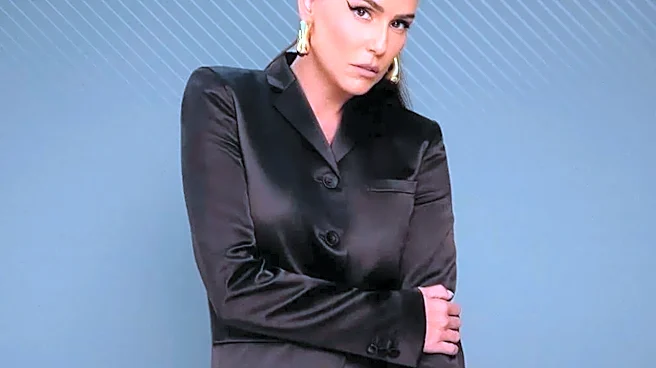
The easiest way to see texture at work is with a monochromatic (single-color) outfit. To avoid looking flat, the trick is to combine different materials. Imagine an all-black look. Instead of a single-fabric dress, try pairing sleek leather trousers with a soft cashmere sweater, or a silk camisole with a velvet blazer. Each piece is black, but the contrast between the smooth, light-reflecting silk and the deep, light-absorbing velvet creates visual intrigue. This play of textures adds dimension and makes the entire outfit feel intentional and luxurious without needing a complex color scheme.
The Power of Textural Contrast
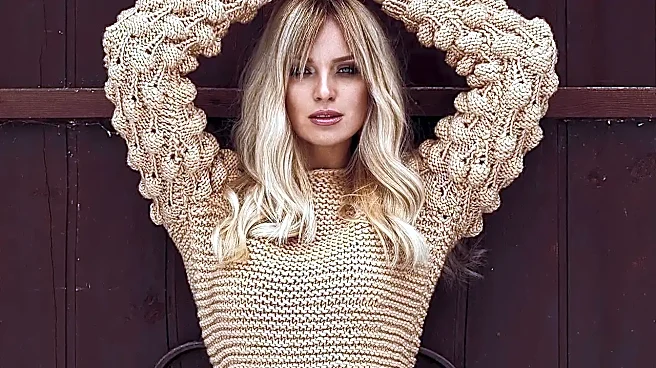
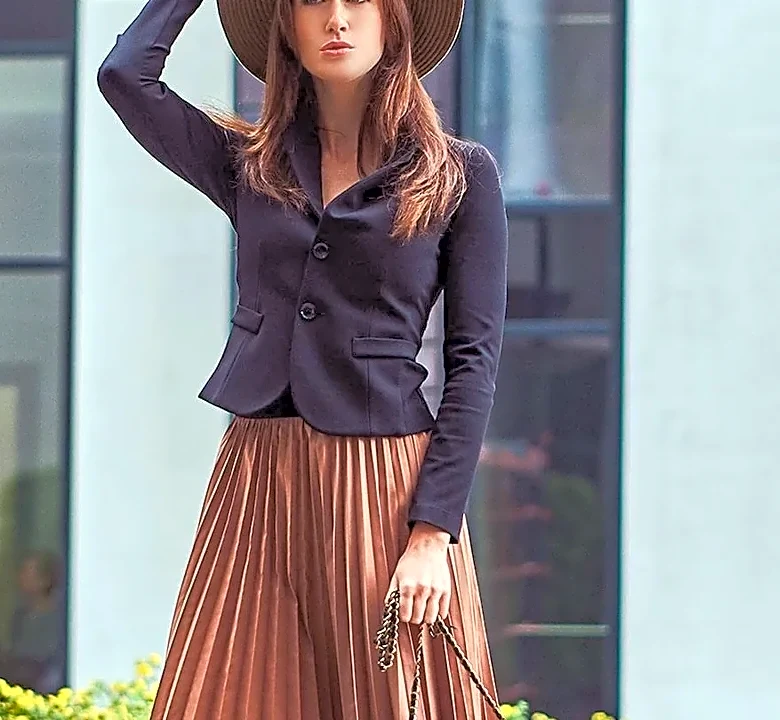
This principle also elevates outfits that use multiple colors. When you mix textures, each fabric's character is amplified. A sequined top, for example, makes the simple wool of a pair of trousers look even richer and more grounded. A delicate lace dress can be given a modern edge with a structured leather jacket. For cocktail events, think about pairing opposites: a fluid, satin midi skirt with a chunky knit, or a sharp, tailored blazer over a soft, chiffon dress. The contrast is what creates a dynamic, high-end feel. It proves you understand not just what colors to wear, but how to wear them.
It Works for Men, Too
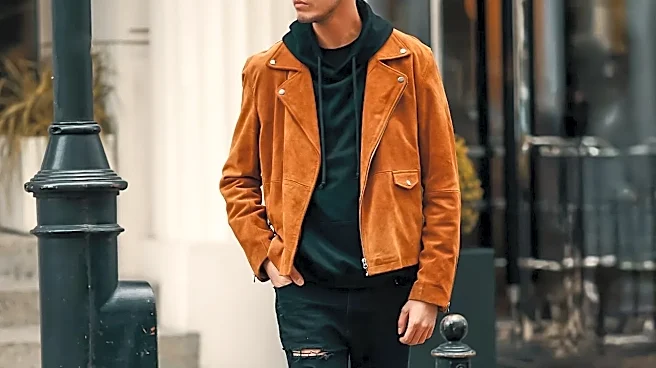
This isn't just a rule for dresses and skirts. Men can leverage texture to add sophistication to classic cocktail attire. A velvet blazer is a prime example; its rich texture instantly elevates a pair of standard wool trousers or even dark chinos. The goal is to create subtle contrast. Pair that velvet jacket with a crisp cotton dress shirt and perhaps a silk knit tie. The difference in surface—plush velvet, smooth cotton, and ribbed silk—makes the entire look more interesting than if every piece were made of the same flat material. Even a simple suit becomes more compelling when a textured element like a wool-blend tie or a linen pocket square is introduced.