
Remember the Soul of The Farm
Before it was a mainstream pilgrimage, Bonnaroo was a radical idea. Born from the jam-band scene, its original spirit wasn't about chasing the biggest name on the pop charts; it was about creating a self-contained
universe on a Tennessee farm. The magic wasn't just the headliner—it was the entire ecosystem. It was the joy of discovery, of wandering from a legacy act to a mind-bending electronic set to a bluegrass jam session under a tent at 2 a.m. The festival’s identity was its sprawling, eclectic, and sometimes chaotic depth. The real headliner was the experience itself. Building the entire 2026 festival around one, single, stadium-level superstar betrays this foundational ethos. It shifts the focus from a collective community experience to a passive, top-down spectacle, turning The Farm into just another stop on a global arena tour.
The Superstar Arms Race Is a Losing Game
Let’s be pragmatic. The financial and cultural arms race for A-list headliners is unsustainable. Booking a Taylor Swift, Beyoncé, or Bad Bunny costs millions upon millions of dollars—a staggering portion of a festival’s entire budget. This massive expenditure creates a precarious, top-heavy model. The festival's success becomes dangerously dependent on a single artist's appeal, making it vulnerable to cancellations or shifting public tastes. Worse, it starves the rest of the lineup. The money spent on one megastar is money not spent on a robust and surprising undercard, the very thing that historically made Bonnaroo a treasure trove for music lovers. It also leads to lineup homogenization. When every major festival is chasing the same five artists, they all start to look the same. Bonnaroo's trump card has always been that it felt different. Winning the superstar arms race would mean losing its identity.
The Real Magic Is in the Middle
Ask any seasoned festival-goer about their most cherished memory. It’s rarely about watching the headliner’s tightly choreographed set from a mile away, surrounded by people filming on their phones. It’s almost always the surprise discovery: stumbling upon a band you’ve never heard of on a side stage and having your mind blown. It’s the spontaneous collaboration between two artists who would never otherwise share a bill. This is where Bonnaroo has always excelled. The “middle card” is the festival's beating heart. A strong, deep lineup of 50+ exciting, diverse, and up-and-coming acts creates infinite paths for attendees to curate their own unique adventure. This encourages exploration and fosters a sense of community among fans bonding over new discoveries. A single superstar sucks the oxygen out of this ecosystem. The conversation becomes “Are you going to see [The Superstar]?” instead of “Who did you just discover?”
A Better Blueprint for 2026
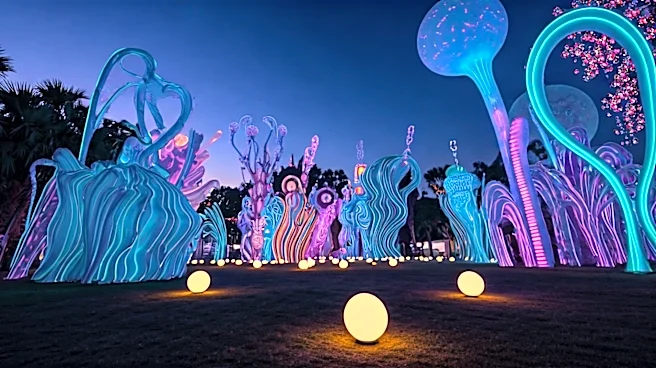
So, what’s the alternative? It’s not about booking obscure bands exclusively. It’s about being smarter and more creative. Instead of one $8 million pop star, book two or three beloved, cross-generational legacy acts that define the festival's spirit—think Phish, Stevie Nicks, or a reunited OutKast. Secure the “white whale” gets that aren’t playing every other festival. Curate one-of-a-kind SuperJams that generate genuine, organic buzz. Spend the leftover millions—and there will be millions—reinvesting in the *experience*. Enhance the campgrounds, commission more bizarre and wonderful art installations, and create unique spaces that make The Farm feel like a destination in and of itself. Make the lineup so deep and compelling that the conversation isn't about one single name, but about the impossibility of seeing all the amazing music on offer. That's the Bonnaroo that people fell in love with.