
The Arena Show Doesn’t Shrink Well
A modern pop tour is a marvel of logistics and production, designed to command a captive, indoor audience for two-plus hours. These shows are often built in acts, complete with elaborate costume changes, video interludes, and set pieces that transform
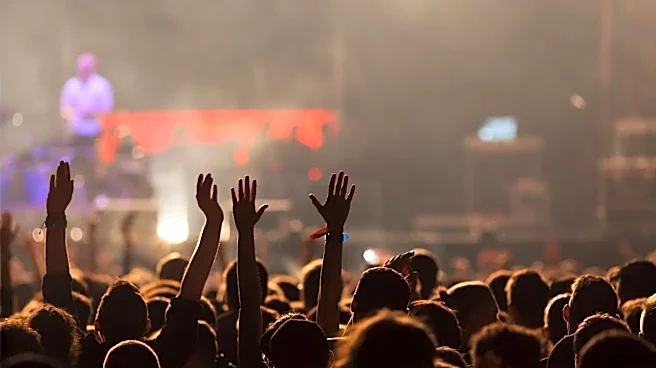
the stage. It’s a formula that works perfectly in an arena, where every seat is pointed at the action. But at a festival like ACL, that structure breaks down. The audience isn't captive; they're a sprawling, roaming mass of people who have been on their feet for eight hours. Video interludes become walk-away moments, and intricate set changes can feel like dead air, killing the momentum that a festival crowd thrives on. The sheer scale is another issue; a production designed for a 20,000-seat arena simply doesn't have the same impact across a field holding three or four times that many people.
Pacing Is Everything
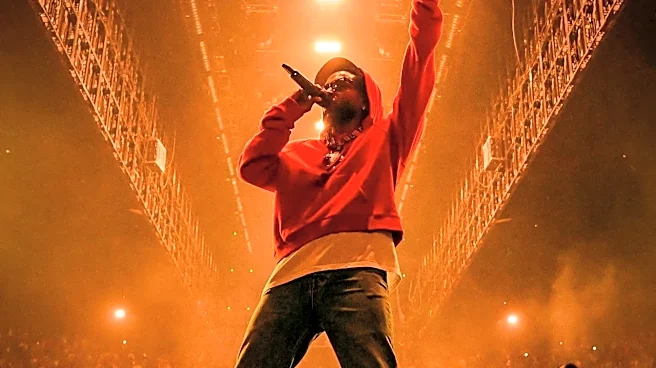
The currency of a festival is energy. Acts that succeed, whether on a side stage or as a headliner, understand this. Performers like Doechii or Empire of the Sun have been praised for sets at ACL that are high-energy, infectious, and relentlessly engaging. They build momentum and hold it. In contrast, many pop headlining sets are paced for a different kind of viewing experience. The lulls that provide a breather in an arena—a slow ballad after a high-energy dance number, a five-minute costume change—can feel like a full stop at a festival. The festivalgoer’s attention is a finite resource, battled for by multiple stages and the general fatigue of a long day. When a headliner’s pacing falters, the crowd’s energy dissipates, and you see the glow of phones from people checking the schedules for other stages.
Connection Trumps Choreography
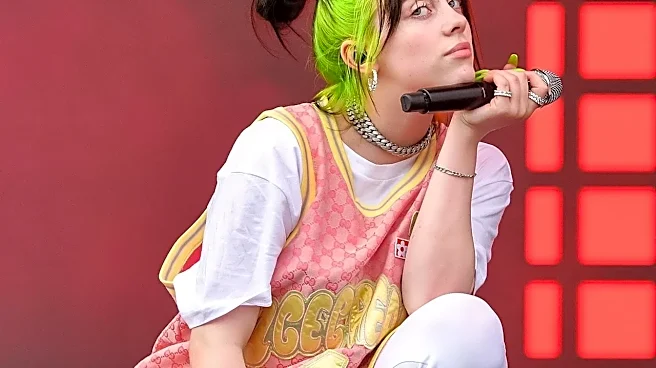
The most legendary festival performances are rarely the most polished. They are the ones that feel spontaneous, raw, and connected to the moment. Think of Beyoncé’s history-making Coachella set, which was less a concert and more a cultural event, or the raw power of rock bands that thrive on stage presence alone. While pop perfection is a science, the best festival pop performers know how to break the script. Sabrina Carpenter's recent ACL set was lauded not just for its polish, but for its playful confidence and commanding stage presence that created a genuine connection. This is where many pop headliners miss the mark. A show that is too rigidly choreographed, too reliant on backing tracks, or too impersonal can leave a festival crowd cold. They want to feel like they are part of a unique experience, not just watching the same show that was performed in another city two nights before.
A Better Blueprint for the Main Stage
Pop headliners are crucial for festivals, attracting huge crowds and driving ticket sales. The solution isn’t to stop booking them, but for artists to build a dedicated “festival edit” of their show. This version should be leaner, meaner, and built for an outdoor environment. This means cutting the long video interludes, minimizing momentum-killing gaps for costume changes, and rethinking the setlist to be a more concentrated blast of energy. The focus should shift from replicating a complex arena show to creating a powerful, singular festival moment. It requires prioritizing hit after hit, fostering crowd interaction, and leaving room for the kind of spontaneous magic that defines a great festival experience. Artists like T-Pain, who delivered a hits-heavy set full of massive singalongs, provide a perfect example of how to do it right. By adapting their architecture to the unique demands of the festival stage, pop stars can do more than just show up; they can truly dominate.