








From Conformity to Confidence
For decades, the draft-night suit was a symbol of professionalism, a young man’s entry into a corporate league. Think back to the early 2000s, an era defined by the NBA’s post-Jordan identity crisis and Commissioner David Stern’s infamous dress code.
The suits of the legendary 2003 draft class—LeBron James, Carmelo Anthony, Dwyane Wade—were comically oversized, billowing tributes to aspiration. They looked like kids playing dress-up in their dad’s clothes, which was part of the charm. The tie was non-negotiable, a knotted piece of silk that said, “I’m ready for business.” It was a uniform of respectability, a nod to the establishment that was about to make them millionaires. But that was a different league, one where the institution held all the power and players were expected to fit in before they stood out.
The Power of the Open Collar
Today’s prospects have flipped the script. The modern draft suit isn’t about fitting in; it’s about making a statement from the first step on stage. Skipping the tie is the central pillar of this new philosophy. It’s an act of sartorial subtraction that adds a powerful dose of personality. In the world of Italian tailoring, they call this *sprezzatura*—a studied carelessness that makes a look feel effortless and cool. By unbuttoning the top button and ditching the tie, a player communicates ease and self-assurance. It says, “I’m not here to interview for a job; I’m here to start my empire.” This move shifts the focal point from a restrictive knot at the neck to the player’s face and overall presence. It’s relaxed, but it’s not sloppy. In fact, it requires even more attention to detail to pull off correctly.
The New Formula: Fit, Fabric, and Flash
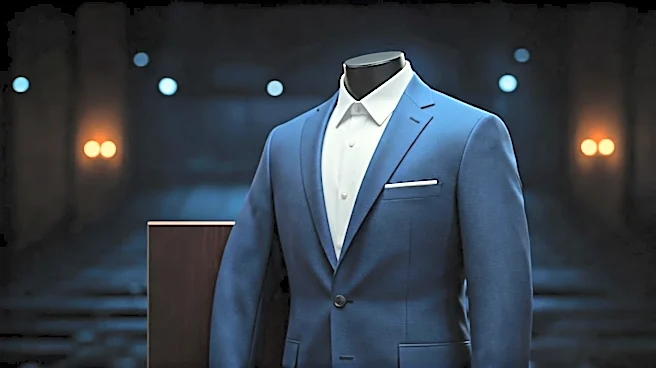
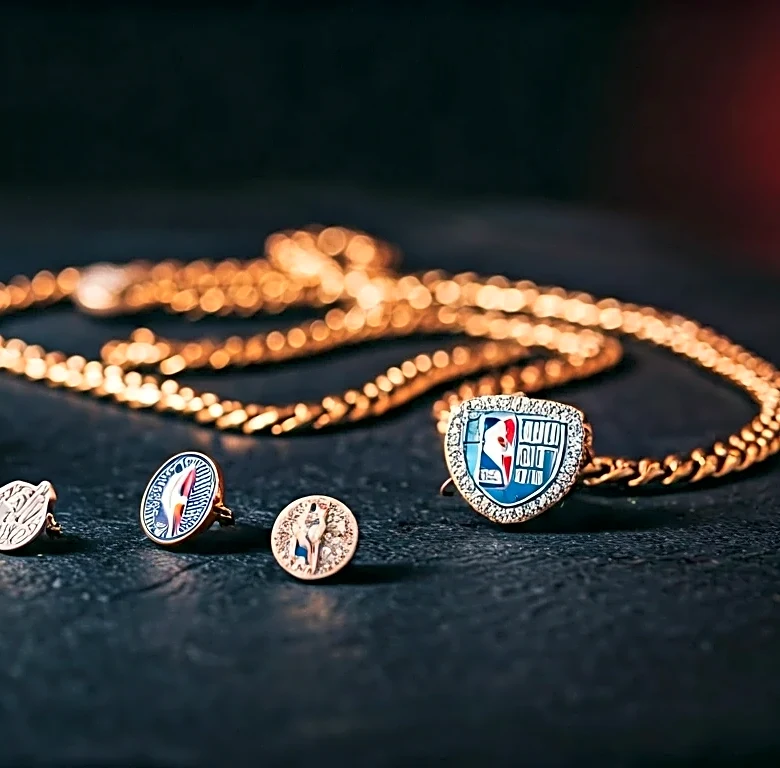
The tieless look only works because it’s part of a larger, carefully curated formula. First and foremost is the fit. Unlike the baggy ensembles of the past, the modern draft suit is impeccably tailored. It drapes perfectly, accentuating the athlete’s physique without constricting it. The silhouette is sharp, modern, and intentional. Second is the fabric. Players are opting for luxurious and visually interesting materials—velvets, silks, and custom prints that would be overshadowed by a tie. Look at Victor Wembanyama’s all-green suit or Scoot Henderson’s bedazzled tuxedo jacket. These choices are bold and personal. Finally, the absence of a tie creates a canvas for other accessories. A statement chain, a luxury watch, diamond earrings, or a lapel pin suddenly become the main event. It allows for a more personal and contemporary form of expression than a strip of colored silk ever could. The shoes, often designer sneakers or sleek loafers, complete the look, grounding the formal suit in a more casual, modern reality.
A Player-Driven Branding Statement
Ultimately, the tieless suit works because it perfectly reflects the ethos of the modern NBA player. Today’s stars are not just athletes; they are global brands, media personalities, and entrepreneurs. Their draft night appearance is the opening statement in their brand narrative. The open-collar look is more accessible, more aligned with social media culture, and more reflective of a generation that values individuality over institutional conformity. It projects an image of a CEO, not an employee. It tells teams, sponsors, and fans that this isn’t just a talented kid happy to be there, but a savvy professional arriving on his own terms. In a league where player empowerment reigns supreme, the decision to skip the tie is a small but powerful declaration of independence. It’s a visual cue that the player, not the league, is in control of their own image and destiny.