





The Universal Language of the Grill
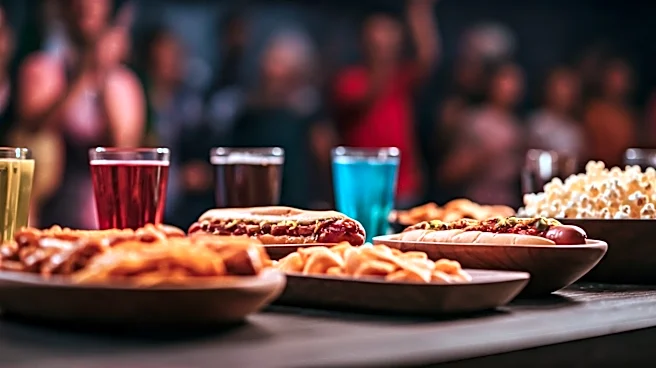
Before the first whistle even blows, a different kind of ritual is already underway in the fan zones and streets surrounding the stadiums. Here, the universal language isn’t just soccer; it’s food. Sharing a meal has a powerful psychological effect, releasing
oxytocin—the “bonding hormone”—that helps build trust and camaraderie. In a sprawling, international crowd, grabbing a beer and a bratwurst in Germany, or sharing an asado barbecue in Argentina, becomes an instant icebreaker. It’s a simple act that says, “We’re in this together,” transforming anonymous faces in a crowd into temporary teammates. This shared experience creates a common ground, turning a potentially overwhelming environment into a welcoming one, especially for those who might not be die-hard fans but are there for the atmosphere.
A Taste of National Pride
Every tournament host puts its culinary best foot forward, offering a menu that’s as much about national identity as it is about feeding the masses. During Euro 2024, Germany’s fan zones were a paradise of sausages, from the iconic Currywurst in Berlin to Bavaria’s Weisswurst. These aren't just snacks; they are edible symbols of German culture, served up with a side of local pride. But the food landscape is also a reflection of modern, multicultural nations. The widespread availability of the Döner kebab, a Turkish-inspired dish, at German fan zones shows how food culture evolves. This culinary patriotism is a global phenomenon. In Brazil, match days are synonymous with feijoada, a hearty black bean and meat stew. The 2026 World Cup hosts are already showcasing their staples: American burgers and wings, Mexico's pozole and tamales, and Canada's iconic poutine. For visiting fans, trying these local dishes is a key part of the travel experience, a delicious souvenir that connects them to the host nation. For home fans, sharing their national food is an act of hospitality and pride.
Friendly Food Wars and Viral Moments
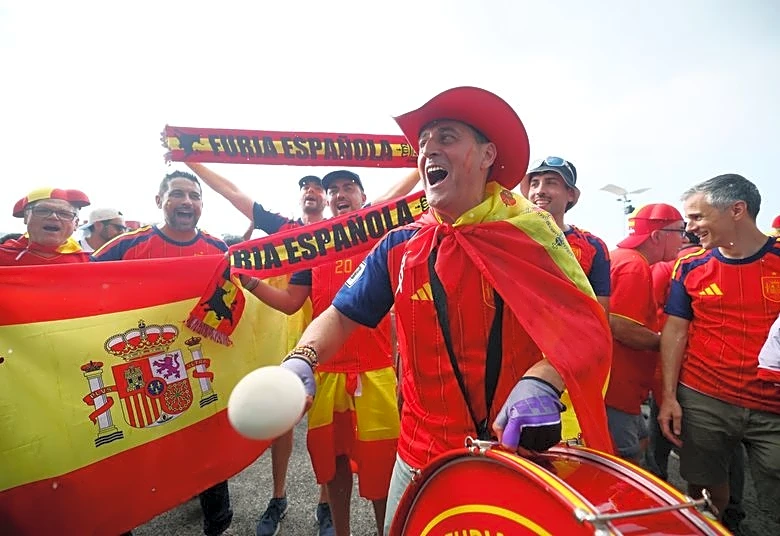
Food doesn’t just unite; it also becomes a tool for the kind of friendly rivalry that defines sports fandom. At Euro 2024, Albanian fans playfully taunted Italian supporters by snapping uncooked spaghetti, while Austrians broke baguettes in front of the French. These “food wars” are a lighthearted, social media-friendly way to engage in banter without crossing the line into genuine conflict. For international fans visiting the U.S. for the 2026 World Cup, American food culture itself has become a source of viral fascination. European visitors have flooded social media with their discoveries of ranch dressing, Waffle House, and the sheer scale of a 7-Eleven Big Gulp. These encounters, often filled with a mix of shock and delight, add another layer to the tournament's narrative. They highlight cultural differences in a fun, relatable way, and the food becomes a character in the fan’s travel story.
More Than a Game, More Than a Meal
Ultimately, the food culture at a soccer cup serves a purpose that goes far beyond satisfying hunger. A 2020 survey revealed that for many, the food and social aspect of a major sporting event are even more important than the game itself. The concession stand or the food truck isn't just a point of sale; it's a social hub, a place where memories are made between goals. It’s where you might stand next to a fan from a rival team, both of you complaining about the long line, and leave with a sense of shared humanity. These small, food-fueled interactions are the building blocks of the larger event community. They create an atmosphere where, for a few hours, the jersey you wear is less important than the shared experience of being there, soaking it all in, one messy, delicious, and unforgettable bite at a time.