





The Myth of Maximum Exposure
On paper, Hall H is a no-brainer. It's the largest room, guaranteeing the most eyeballs and a sense of blockbuster scale. Studios like Marvel and DC have built their Comic-Con legends there. But its size is also its curse. The news cycle out of Hall H is a chaotic,
zero-sum game. When multiple billion-dollar franchises drop trailers within hours of each other, they cannibalize each other's press. One panel’s massive reveal is immediately overshadowed by the next. The result is a brief, expensive sugar high that rarely translates into sustained momentum. The cost and logistical effort to mount a Hall H panel, from overnight lines for fans to massive production budgets, demands a home run. Anything less than a universe-shattering reveal can feel like a failure, a risky bet when a project is still finding its footing.
Curating the Perfect Audience
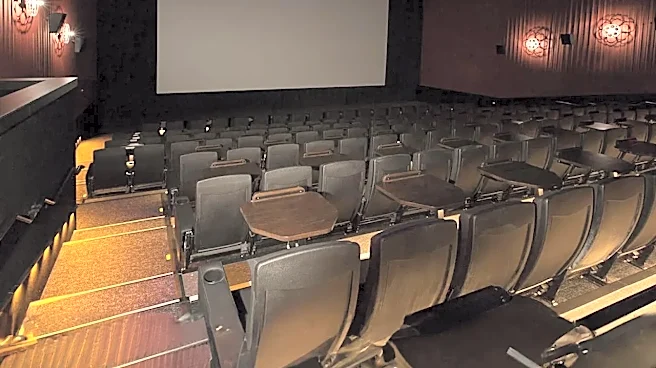
Now, picture a smaller venue, like Ballroom 20 or an off-site theater. The line is shorter, the room is more intimate, and every person there is a die-hard. This isn't the general blockbuster tourist crowd; these are the true believers who sought out this specific panel. This self-selected group of super-fans creates a super-charged atmosphere. Every joke lands, every reveal is met with explosive, genuine passion. For a new or niche property, this is gold. The energy in that room becomes the story. Journalists and social media influencers feed off that authenticity. The narrative shifts from “Franchise X showed a trailer in Hall H” to “The entire room for Project Y went absolutely insane.” That's a much more powerful and infectious story to tell.
The Power of the 'Surprise Hit'
Hall H is built for the expected. You go there anticipating the next 'Avengers' trailer or a 'Star Trek' universe update. But smaller rooms are where surprise hits are born. An indie comic adaptation, a creator-driven sci-fi show, or a video game expansion can completely own a smaller ballroom. By over-delivering on more modest expectations, they generate a 'best-kept secret' buzz that is invaluable. Think of it as strategic counter-programming. While the giants battle for supremacy in the main arena, a smaller project can quietly win the hearts and minds of the most influential fans and tastemakers. This focused adoration creates a groundswell of support. It builds a foundation of passionate advocates who will carry the project's banner long after Comic-Con ends, a feat much harder to achieve when you're just one of seven mega-franchises in the Hall H churn.
Winning the Social Media Echo Chamber
The concentrated energy of a smaller ballroom creates a potent social media echo chamber. Instead of a diffuse wave of tweets from 6,500 people, you get a laser-focused blast from a few hundred evangelists. Their excitement, captured in shaky videos and all-caps posts, feels more personal and urgent. It’s the digital equivalent of a friend grabbing you by the shoulders and saying, “You HAVE to see this.” This is how modern momentum is built. A grassroots fan campaign for 'Stargate' used targeted events and social media to make its presence felt at the 2026 convention, proving passion can be more powerful than scale. A studio can’t buy that kind of authentic advocacy. It has to be earned by creating a genuine, memorable moment. In the crowded landscape of Comic-Con, that moment is often found far from the blinding lights of Hall H.