





1. The Central Command Center
Think of it as Mission Control. Tucked away from the crowds, this nerve center is where organizers monitor everything in real time. From here, a core team coordinates security, medical response, stage management, and technical crews. Using radios and real-time
data feeds, they are the first to know about a delayed artist, a crowd bottleneck, or an approaching storm, allowing them to deploy resources before a small issue becomes a big problem.
2. Ticketing and Access Control
Getting tens of thousands of people into a venue smoothly is the first major hurdle. Modern festivals use sophisticated systems with RFID wristbands and digital scanners to manage entry. This isn't just about preventing gatecrashers; it's about crowd flow. By staggering entry times and using efficient scanning, organizers prevent dangerous crushes at the gates and get a live headcount of who is on site at all times.
3. The Temporary Power Grid
A festival is a pop-up city that needs its own utility company. A large event might require up to 3.5 megawatts of power to run everything from the main stage's sound and light show to the vendors' food warmers. This electricity is supplied by a network of generators and, increasingly, battery storage systems. A dedicated team manages this grid 24/7, with backup generators and contingency plans ready to prevent a show-stopping blackout.
4. Security and Crowd Dynamics
Keeping everyone safe is the top priority. Security is more than just guards at the front gate; it's a science of crowd management. Organizers use barriers, clear signage, and even AI-powered cameras to manage pedestrian flow and prevent dangerous overcrowding near stages. Security teams work with local law enforcement and are trained to de-escalate situations, ensuring the vibe stays positive and safe.
5. On-Site Medical and Harm Reduction
When you have a population the size of a small town, emergencies will happen. Every festival has fully-staffed medical tents with EMTs, nurses, and sometimes doctors ready to handle everything from dehydration to more serious incidents. Many festivals also partner with harm reduction organizations to provide support, education, and a safe space for attendees, recognizing that good health and safety information is key to a successful event.
6. Water and Sanitation
It's not glamorous, but it's one of the most critical systems. Providing clean drinking water and managing waste from thousands of portable toilets is a massive undertaking. A fleet of trucks and a dedicated crew work around the clock to service restrooms and haul away wastewater. Free water refill stations are now standard, a crucial element in preventing heat-related illnesses among attendees.
7. Waste Management and Cleanup
A four-day festival can generate hundreds of tons of waste. A massive operation is required to keep the grounds from turning into a landfill. Armies of workers, often volunteers, constantly empty strategically placed bins. Behind the scenes, waste is sorted for recycling, composting, and landfill disposal. The goal is not just cleanliness but also sustainability, minimizing the event's environmental footprint.
8. Artist and Production Management
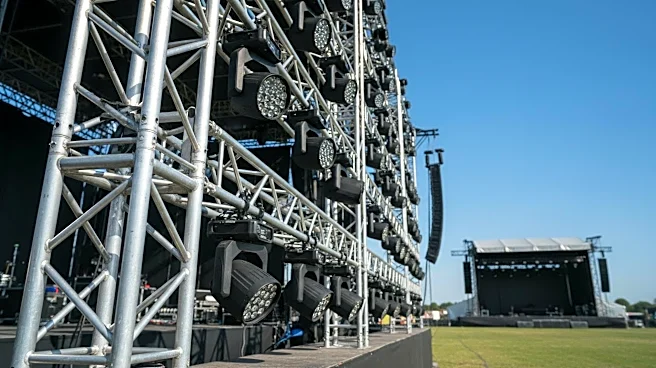
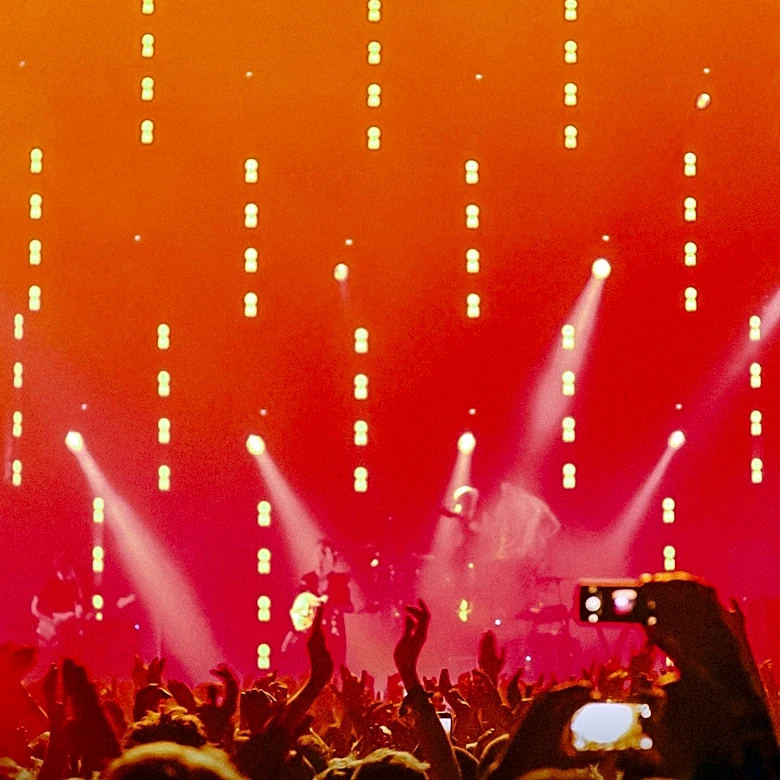
The show itself is a logistical beast. Each artist has specific technical requirements for sound, lighting, and stage setup. Production managers and stage managers coordinate a complex dance of load-ins, soundchecks, and set changes to keep the schedule on track. They are the link between the artist's vision and the technical crew, ensuring every performance goes off without a hitch.
9. Vendor and Concession Coordination
The army of food trucks, merch tents, and craft stalls doesn't just show up. Organizers carefully vet and contract with hundreds of vendors months in advance. A logistics team manages their placement, ensures they have power and water access, and confirms they meet all health and safety regulations. This system ensures attendees have a wide variety of food and shopping options while keeping lines manageable.
10. Staff and Volunteer Coordination
No festival could run without its human engine. An event might rely on thousands of paid staff and volunteers who handle everything from checking wristbands to directing parking. A dedicated management system is used to recruit, train, schedule, and communicate with this temporary workforce. Keeping this army organized and motivated is key to the entire operation's success.
11. Weather and Contingency Planning
The one variable no one can control is the weather. Organizers constantly monitor forecasts and have detailed contingency plans for rain, high winds, or extreme heat. This can involve securing tents, having ponchos on standby, or, in extreme cases, executing a temporary evacuation. Communication protocols are in place to quickly inform attendees and staff of any weather-related changes to ensure safety.