




The Original Killing Machine
John Carpenter's 'Halloween' wasn't supposed to be a phenomenon. Made on a shoestring budget of around $325,000, it was a word-of-mouth sensation that slowly crept across the country, ultimately earning a staggering $47 million at the domestic box office.
This was success in its purest form—people telling friends they had to see this terrifying new movie, driving to a theater, and buying a ticket. There was no streaming, no on-demand, no way to see it other than in a dark cinema. This theatrical dominance set a high bar for any follow-up. A sequel wouldn't just need to be good; it would need to recapture that lightning in a bottle and convince audiences to leave their homes all over again.
The Living Room Revolution
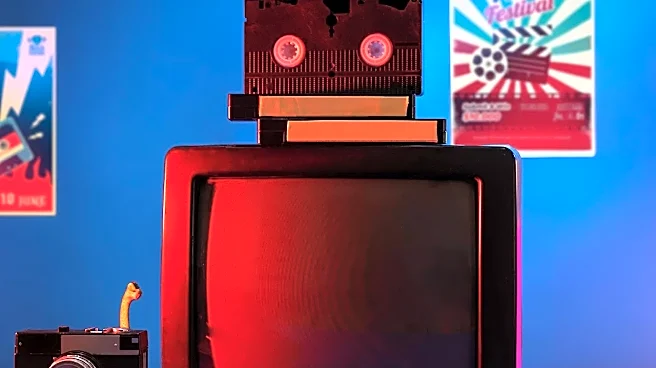
By the time 'Halloween II' was released in 1981, the entertainment landscape was undergoing a seismic shift. The Video Home System, or VHS, was invading American living rooms. For the first time, audiences had control. They could record TV shows, and more importantly, they could rent or buy movies. The corner video store became a cultural hub, a place of discovery where box art was king and a film's life extended far beyond its theatrical run. This created a brand-new, incredibly lucrative revenue stream for studios. A movie no longer had to live or die by its opening weekend alone. It now had a second life on the rental shelf, creating a financial safety net that would profoundly change how sequels were made.
A New Kind of Payday
'Halloween II' was the first film in the series to test this new model. While it was a financial success, grossing a respectable $25.5 million on a $2.5 million budget, it didn't come close to the box office magic of the original. It made less than its predecessor and faded from theaters more quickly. In the pre-VHS era, this might have signaled the end of the franchise. But with the home video market booming, the theatrical gross was no longer the whole story. The film's 'failure' to match the original's numbers didn't matter as much, because the studio knew a massive audience was waiting to rent it. This built-in aftermarket meant the sequel was profitable even with a softer theatrical performance, guaranteeing that Michael Myers would, inevitably, return.
Sequel-nomics and Creative Decline
This new financial reality had a direct impact on the creative direction of horror franchises. With a guaranteed payday from video rentals, the pressure to deliver a high-quality, crowd-pleasing theatrical experience lessened. Studios realized they could produce sequels more cheaply and frequently, knowing the franchise name alone would drive rentals. This led to the explosion of slasher sequels throughout the '80s, from 'Friday the 13th' to 'A Nightmare on Elm Street'. The 'Halloween' series was a prime example. After the Michael Myers-less 'Halloween III' stumbled at the box office, the franchise returned to its killer roots with 'Halloween 4' and 'Halloween 5', which saw diminishing box office returns but kept the series alive on video store shelves. The stakes at the box office were lowered, and often, so was the quality.
The Enduring Echo of the Tape
The model established during the VHS boom—where a built-in fanbase and ancillary revenue streams keep a franchise alive regardless of theatrical performance—is more relevant than ever. Today, streaming services have replaced video stores, but the principle is the same. A film series can thrive with a dedicated audience on a platform, even if it's not a record-breaking blockbuster. The ability to rewatch, dissect, and build a fandom around a movie at home, which started with rewinding a staticky VHS tape, created the very concept of the modern horror franchise. The humble cassette didn't just let us watch Michael Myers at home; it ensured he'd have a home to come back to for decades.