


The Show vs. The Clothes
First, let’s get one thing straight: a fashion show is not a shopping catalog. It’s a performance, a piece of theater designed to communicate a designer's vision for the season in its purest, most potent form. The headline-grabbing pieces—the jacket made
of repurposed teddy bears or the pants with ten-foot-long legs—are conceptual statements. They exist to create a mood, tell a story, and generate buzz. They are the collection’s exclamation points. But within that performance are dozens of quieter ideas. The real job of a savvy fashion observer isn’t to ask, “Would I wear that?” but rather, “What is this look trying to tell me?” The answer is almost always found in the styling—the combination of pieces, the choice of accessories, and the subtle manipulations that turn clothes into an 'outfit' and, eventually, a trend.
An Accessory Is Worth a Thousand Words
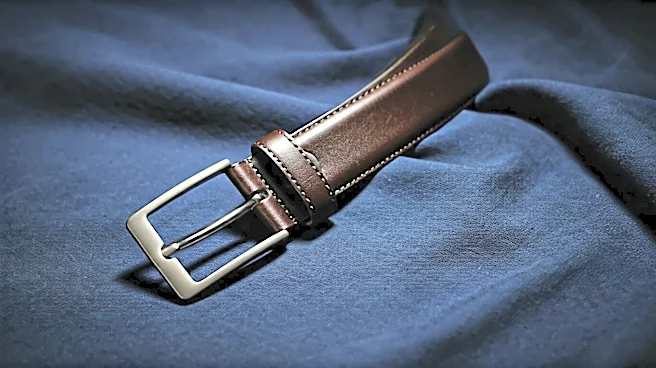
If you want to know what men will be buying in six months, ignore the avant-garde coat and look at what the model is carrying. Accessories are the Trojan horse of fashion trends. A designer can propose a radical new trouser shape that takes years to catch on, but a specific style of bag, a new way to wear a belt, or a particular type of footwear can go mainstream in a single season. Remember when tiny crossbody bags for men felt novel? Or when chunky, technical sneakers replaced minimalist leather ones? Those shifts started on the runway, not as standalone items, but as key styling components that grounded or contrasted with the more extreme clothing. The next time you're scrolling through runway photos, pay attention to the details. Is every model wearing a delicate chain necklace? Are the belts worn high on the waist or slung low on the hips? Is it all about oversized tote bags or sleek little folios? These are not afterthoughts; they are the most direct and digestible trends the show has to offer.
The New Rules of Layering
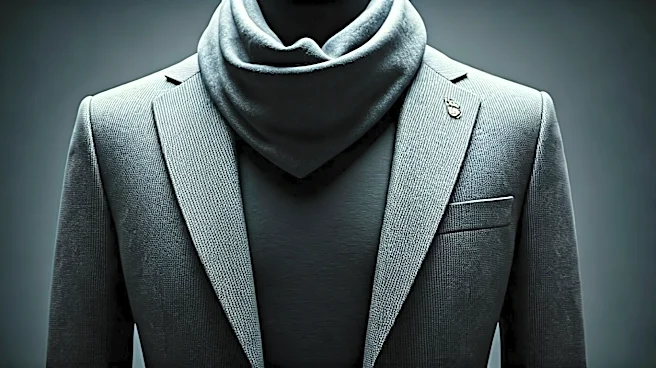
Anyone can put on a shirt and a jacket. But how you layer them is where personal style—and new trends—are born. Paris runways are a masterclass in re-contextualizing familiar garments. A fine-gauge knit turtleneck under a casual camp-collar shirt, a formal blazer thrown over a humble hoodie, or even a tailored vest worn with nothing underneath—these combinations challenge our assumptions about what goes with what. This is where designers test the waters. They’re proposing new proportions and new attitudes. A few seasons ago, the idea of wearing a skirt over trousers might have seemed confined to the most daring dressers. Yet, through repeated and clever styling on the runways of Loewe, Fendi, and others, the concept has slowly trickled into the fashion consciousness. The individual pieces (a skirt, a pair of pants) weren't new, but the styling created an entirely new silhouette and a fresh conversation about modern masculinity.
The Power of the Tuck, Roll, and Cinch
Sometimes the biggest trend is the smallest gesture. Watch a model walk and notice the micro-details. Are the jacket sleeves pushed up aggressively to the elbow? Is the classic button-down shirt meticulously tucked in, or is it half-tucked with a nonchalant slouch? Are the jeans sharply cuffed to show off a statement sock and loafer, or are they pooling over the shoe in a voluminous break? These seemingly minor adjustments are anything but. They are signals that dictate a shift in silhouette and mood. The half-tuck signals a move toward relaxed, effortless dressing. A sharp cuff on a wide-leg pant is a deliberate move to control volume and draw attention to the footwear. These are styling tricks that cost nothing but can completely change the character of an outfit you already own. They are the free, immediate trends you can adopt right from the runway, long before the clothes themselves hit stores.