
The Anti-Spectacle Spectacle
Walk the grounds of Fort Adams State Park during the festival, and you'll notice what’s missing. There are no towering LED screens flashing hyper-stylized visuals. You won't see fireworks exploding to a bass drop or a surprise headliner descending from
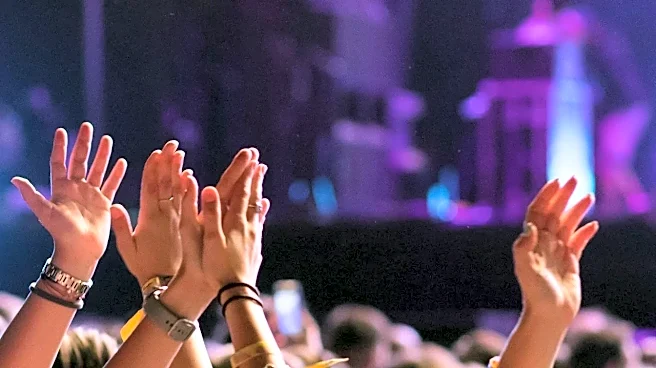
the rafters. The production budget here is pointedly not spent on the kind of high-cost spectacle that defines its larger corporate cousins. This isn't an oversight; it's the entire point. The festival’s currency is authenticity, a vibe that dates back to its founding in 1959. The organizers seem to understand that for their audience, seeing an artist like Brandi Carlile or Tom Morello is about the music, not a light show. The ‘wow’ moments aren't programmed—they’re organic, spontaneous, and born from a shared love of song. By eschewing million-dollar visual distractions, Newport forces everyone—artist and audience alike—to focus on what truly matters: the performance itself.
Where the Money Really Goes: Sound and Spontaneity
Just because Newport avoids visual excess doesn't mean it’s a low-budget affair. The production resources are simply funneled into less obvious, but arguably more critical, areas. First and foremost is the sound. With multiple stages, often featuring delicate acoustic arrangements at the mercy of sea breezes, ensuring pristine audio is a massive undertaking. The festival invests heavily in making sure every note from a vintage Martin guitar or a three-part harmony is crystal clear. The other major “cost” is logistical support for the festival’s signature collaborations. Sets billed as “& Friends” are a Newport staple, where a headliner might bring out a dozen other artists from across the weekend for one-off duets and covers. Facilitating this requires a nimble, well-funded backstage operation that can handle last-minute rehearsals, complex gear changes, and the egos of multiple stars sharing a single microphone. This is where Newport’s budget shines: in creating a seamless environment where artists feel comfortable enough to create these unique, unrepeatable moments.
Investing in Community, Not Hype
Perhaps the most significant investment Newport makes isn't in its physical production at all, but in its community. Producer Jay Sweet has cultivated what fans call a “sacred trust.” Artists trust him to create an environment that values musicianship over celebrity, and fans trust him to curate a lineup that respects the festival's legacy while pushing its boundaries. This trust is why tickets sell out before the lineup is even announced. It’s why an established star like Jason Isbell says he feels the reward of playing Newport is higher than other festivals, or why legends like Joni Mitchell make historic returns to its stage. The Newport Festivals Foundation, a non-profit, also pours resources back into music education and supports other folk festivals, further cementing its role as a steward of the genre rather than a mere commercial enterprise. This long-term investment in relationships yields dividends that no amount of production budget could ever buy: loyalty, passion, and a sense of shared ownership.
The Fort Adams Factor
Finally, you can’t discount the venue itself. Staging a festival inside a historic Civil War-era fort on the water provides a level of atmosphere and intimacy that is impossible to replicate in a vast, empty field. The stone walls of Fort Adams naturally create a sense of closeness and history. The stunning backdrop of the Newport Bridge and sailboats in the harbor is production value provided by nature. The festival’s producers are smart enough to know that their greatest asset is the location itself. Rather than trying to overpower it with elaborate stage builds, they lean into its character. The result is a festival that feels both epic and intimate, a place where the setting is as much a part of the performance as the artists on stage. It's a reminder that sometimes the best production decision is to let the magic of a place speak for itself.