
The Platform That Changed the Game
The single biggest driver of this shift is a platform that wasn’t even built for podcasts: YouTube. For a huge segment of the population, YouTube isn't just for videos; it's a primary search engine and
the default place to consume content. According to recent data, YouTube is the most-used platform for weekly podcast consumption in the U.S., outpacing both Spotify and Apple Podcasts. This means if your show is audio-only, you are invisible on the platform where a massive number of potential listeners are looking for new content. People aren’t just listening; they're watching podcasts on their living room TVs. This visual element transforms a passive listening experience into an active viewing one, making shows more discoverable and shareable.
When Audio Giants Go Visual
The trend isn't just about YouTube's gravity. Spotify, the king of audio streaming, has spent years and millions of dollars aggressively pushing video podcasts. By featuring video prominently in its app, Spotify has trained its massive user base to expect a visual component. When an audio-first giant makes such a decisive pivot, it’s a clear signal to creators about where the industry is headed. This move forces the hand of podcasters who might have preferred to remain behind the microphone. To stay competitive and relevant on the platform, creators are now strongly incentivized to provide video, ensuring their shows get favorable placement and don't look dated next to video-enabled competitors.
The Engagement and Monetization Engine
Adding a camera does more than just increase visibility; it deepens the connection with your audience. Seeing a host’s facial expressions and body language creates a more intimate, human experience, making listeners feel more like they're part of a conversation. This visual connection is also a content goldmine. A single video podcast can be sliced into dozens of short, compelling clips for TikTok, Instagram Reels, and YouTube Shorts. These clips are far more engaging on social media than a static waveform, serving as powerful marketing tools to draw new listeners into your full-length episodes. Furthermore, video opens up new revenue streams, from YouTube ad revenue to more dynamic and valuable brand sponsorships that include visual elements.
But What About the Cost?
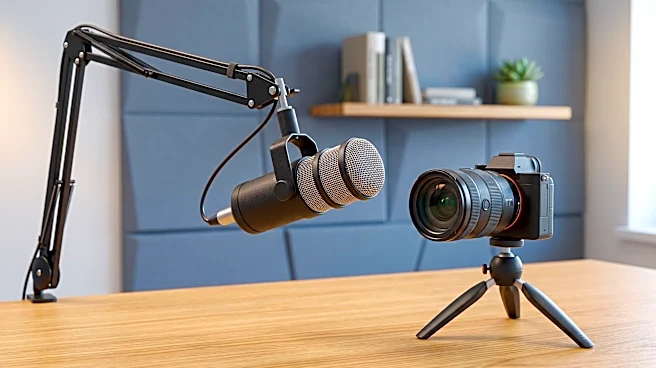
The most common objection to video is the perceived cost and effort. Many hosts fear they need a professional studio, multiple cameras, and a production team. But that's a myth. The barrier to entry has never been lower. A video podcast can start with something as simple as a smartphone or a webcam. The goal isn't to produce a cinematic masterpiece; it's to add a human face to the audio. You can scale your setup over time. Start by simply recording your existing conversations. As your show grows, you can invest in better lighting, a second camera, or editing software. The key is to see video not as an expense, but as a strategic, scalable investment in your podcast's future growth and relevance.