



The First Unofficial Press Conference
The NBA Draft is, at its core, a high-stakes job interview broadcast to millions. For a young athlete, this is the moment they transform from an amateur standout into a professional brand. They have no pro stats, no game-winning shots, and no locker-room
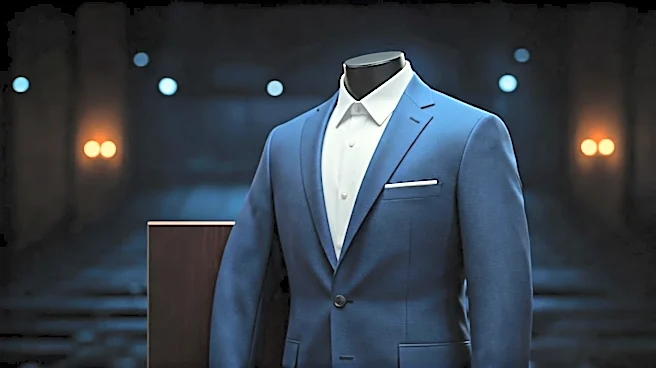
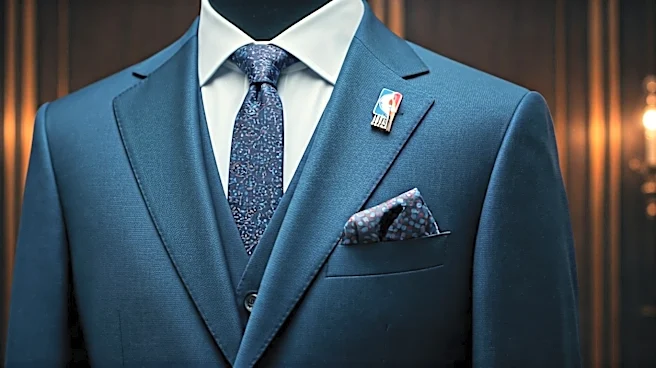
presence to define them yet. All they have is their college highlight reel and the person they present on stage. In this vacuum of professional information, the suit—or whatever they choose to wear—becomes the first press conference. It’s a silent statement of intent. Is the player saying, “I’m a serious, no-nonsense professional”? Or are they projecting, “I’m a creative force, and I’m not afraid to take risks”? This initial presentation frames the narrative, giving everyone the first clue as to who this person is off the court. It’s a calculated choice in an evening where nearly everything else is out of their hands.
Projecting Confidence vs. Professionalism
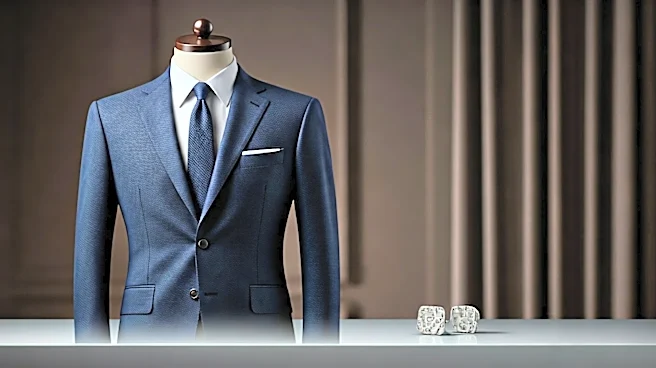
The spectrum of draft night fashion often boils down to a key tension: confidence versus convention. On one end, you have the classic, tailored suit. It’s the sartorial equivalent of a solid fundamental game—think Tim Duncan. It communicates respect for the institution, a team-first mentality, and a desire to be seen as a mature professional ready for work. It’s a safe, low-risk, high-floor choice. On the other end is the flamboyant, attention-grabbing ensemble. Think ruby-red sequined jackets, bold floral patterns, or unconventional silhouettes. These outfits are the fashion version of a heat-check three-pointer from the logo. When LeBron James wore an all-white, double-breasted suit in 2003, it wasn’t just a style choice; it was a declaration. It screamed confidence, an understanding of his own transcendent talent, and an embrace of the spotlight. Fans read these choices instantly. A flashy suit can be interpreted as supreme self-belief and star power, or, to a more skeptical observer, as a sign of immaturity and a focus on sizzle over steak.
The Brand-Aware Prospect
In today’s NBA, players are CEOs of their own brands from day one, and draft night is the ribbon-cutting ceremony. The modern prospect, guided by agents and stylists, often uses their outfit as a strategic branding tool. We see players wear suits lined with photos of their family, paying tribute to their support system. Others subtly incorporate the colors of the team they hope will draft them, a clever nod to their desired destination. Then there are the high-fashion plays. Players like Shai Gilgeous-Alexander, whose 2018 floral suit signaled his future as one of the league’s premier style icons, use the draft to announce their arrival not just in the sports world, but in the wider culture of fashion and entertainment. These choices are rarely accidental. They are meticulously planned to tell a story—about roots, ambition, or marketability. A player’s suit can hint at the kinds of endorsements they’ll seek and the type of public persona they aim to build, giving front offices and fans a preview of the player as a business asset.
The Unforgettable Outliers
Finally, some outfits are read not for what they say about a player's game, but for what they reveal about their unique personality. These are the choices that live on in draft lore, becoming as much a part of the player’s story as their career stats. Joakim Noah’s 2007 tan seersucker suit and oversized bowtie was a perfect encapsulation of his quirky, high-energy, and slightly goofy persona. It was impossible to separate the outfit from the player. Similarly, Jalen Rose’s iconic red pinstripe suit from the 1994 draft was a direct extension of the Fab Five’s culture-shifting swagger. These outfits aren’t just clothing; they’re character statements. They tell fans that this player marches to the beat of their own drum. For a franchise, this can be an exciting prospect or a potential red flag. For fans, it’s pure entertainment and a promise that, for better or worse, this player will not be boring. They are reminders that behind the scouting reports and analytics are distinct individuals ready to make their mark.