
Lesson 1: Deconstruct the Suit
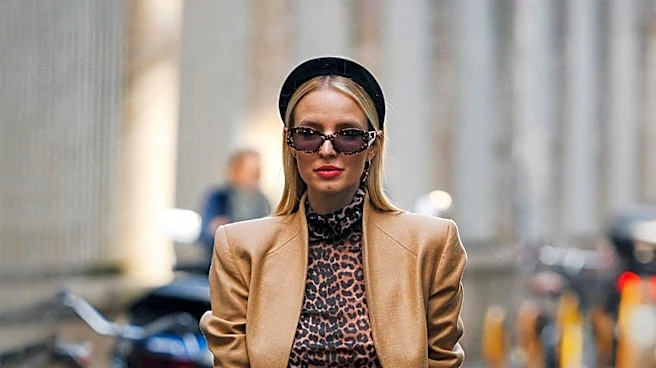
The tailored suit or formal two-piece in your closet holds immense potential. On Milan's streets and runways, the idea of separating formal sets was everywhere. A tailored blazer from a wedding suit was thrown over a simple T-shirt and jeans for a polished
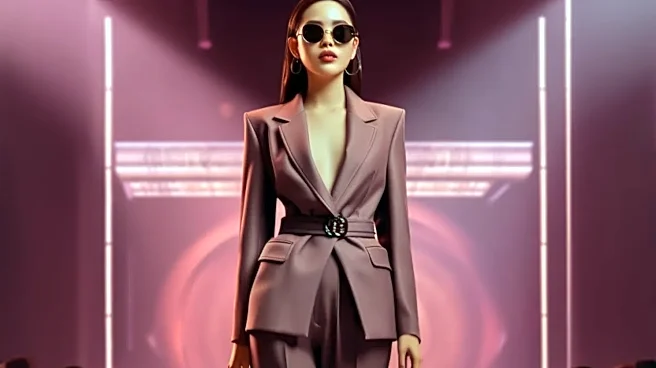
day look. That pencil skirt from a corporate event? It was paired with a casual polo shirt or a chunky knit, instantly relaxing its formal vibe. The key is to see the two pieces not as a single-use outfit, but as versatile separates. At shows like Gucci, broad-shouldered blazers and sharp pencil skirts were presented as powerful individual statements, encouraging a mix-and-match approach. Think of your formal suit as two high-quality items ready to elevate your everyday wardrobe.
Lesson 2: Layer with Sheer Fabrics
That cocktail dress you loved but feel is too recognizable can be completely transformed with layering. Milan's designers, including Fendi and Brunello Cucinelli, championed the use of sheer and gauzy fabrics. Street style stars were spotted wearing sheer organza or tulle skirts over more opaque pieces, adding softness and a modern edge. Imagine a sheer, long-sleeved top worn under a strapless formal gown, or a transparent duster coat thrown over a simple slip dress. This technique doesn’t hide your favorite piece; it reframes it, offering a new texture and silhouette while maintaining the elegance of the original garment.
Lesson 3: The Bra Top as a Formal Layer
One of the boldest trends to emerge from Milan was the idea of underwear as outerwear, specifically the bra top. At Prada, bra tops were paired with everything, including elegant, high-waisted skirts. While it may seem daring, this styling trick is surprisingly adaptable. Consider that formal dress with a plunging neckline you're hesitant to re-wear. Layering a structured, elegant bra top underneath—in satin, lace, or even a contrasting color—can give it an entirely new, fashion-forward feel. It adds an intentional, layered element that feels less like lingerie and more like a deliberate part of the ensemble, as seen across multiple collections.
Lesson 4: Cinch It with a Statement Belt
Perhaps the easiest and most effective lesson from Milan was the transformative power of a great belt. At Bottega Veneta and Max Mara, strong leather belts were used to punctuate looks and create a defined waist. On the streets, fashion editors used wide, waist-cinching cummerbunds—traditionally seen in men's formalwear—over blazers and even knitwear. This is the perfect way to alter the silhouette of a formal dress or jumpsuit. Adding a chunky, modern belt can break up a familiar pattern, give a shapeless dress a new form, and make an old piece feel instantly current. It’s a small addition that makes a huge impact, signaling a thoughtful, styled look rather than a simple repeat.
Lesson 5: Go Bold with Accessories
When the outfit itself is something you've worn before, the easiest way to make it feel new is through dramatic accessorizing. The runways at Prada and Gucci were filled with oversized, chunky jewels in rich gem tones. These weren't subtle additions; they were statement pieces designed to be the focal point of an outfit. A simple black gown or a classic tuxedo can be completely reinvented with the addition of a massive pair of earrings or a bold, colorful necklace. Similarly, Giorgio Armani's collection featured shimmering sequins and dazzling arm cuffs that brought sparkle to minimalist looks. The message is clear: don't be afraid to let your accessories do the talking.