





The New Economics of Streaming
For years, the streaming wars were an arms race for A-list talent. Platforms spent fortunes to land one huge movie star, hoping their name alone would attract subscribers. But the era of blank checks is over. In 2026, the primary metric for success isn't
just subscriber growth; it's profitability. Streamers like Netflix and Disney+ are now focused on sustainable margins, a major shift from the 'growth at all costs' model. This financial discipline makes the traditional star-driven vehicle a risky bet. Betting a nine-figure budget on a single star who commands a massive upfront salary is a gamble few are willing to take anymore. The industry is adjusting to a “more with less” reality, where production spending is tighter even as the number of projects remains high. This post-strike, post-correction landscape has created the perfect opening for the ensemble model to re-emerge as a fiscally prudent alternative.
Spreading the Financial Risk
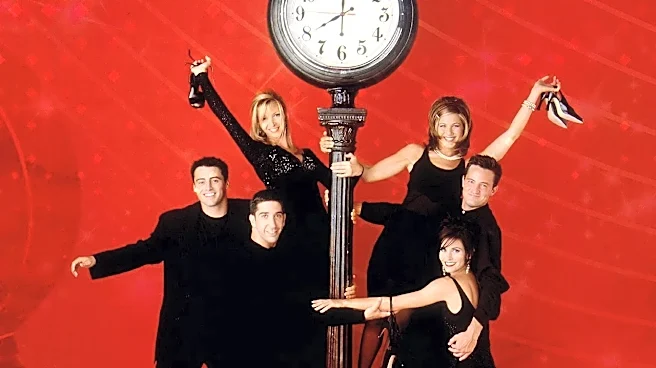
Instead of paying one actor $20 million, a studio can assemble a talented cast of ten or fifteen actors for the same price or less. This isn't just about saving money; it's about diversifying risk. An ensemble cast distributes the burden of carrying a show across many shoulders. The success of the series doesn't hinge on the appeal or performance of a single person. This financial model provides a safety net. It also aligns with the industry's shift away from Peak TV's excess, with scripted series production resetting to levels below the 2022 peak. Shows with large, beloved casts like Netflix's adaptation of "East of Eden" or the returning Apple TV+ hit "Slow Horses" demonstrate the strategy in action, featuring a mix of established stars and rising talent. This approach gives studios more bang for their buck and a more resilient asset in a competitive market.
A Creative and Franchise-Friendly Model
Beyond the balance sheet, ensemble casts offer immense creative flexibility. With multiple intersecting storylines, writers can pivot based on audience reaction, elevating popular side characters or downplaying arcs that don’t connect. This narrative agility is a powerful tool in keeping a multi-season show fresh. Furthermore, in an industry obsessed with building franchises, ensembles are a goldmine. A rich world populated with many characters provides fertile ground for spin-offs, as seen with the expansion of the "Reacher" universe this fall. A large cast allows for long-term character development, which one producer noted is essential for building a franchise, not just a single hit show. This long-game strategy is evident in the fall lineup, which is filled with returning ensemble favorites and new, large-scale adaptations designed for multi-season runs.
What Audiences Are Craving Now
The trend isn't just top-down; it reflects a genuine shift in audience appetite. In an increasingly fragmented and digital world, there's a growing desire for stories about community, connection, and chosen family. Ensemble dramas and comedies provide exactly that. They offer viewers multiple entry points, allowing them to see themselves in different characters and become invested in the group dynamic as a whole. Shows that build a world and invite the audience to live in it with a cast of characters, like the new spinoff of "The Office" or the reboot of "A Different World," are tapping into this desire for connection. They become comfort viewing, building loyal fanbases that return season after season, not for one star, but for the entire family they've come to know.