





The Intimacy of the Human Voice
The primary difference lies in the medium itself. Television is a visual spectacle; it demands performance, makeup, and a set. Podcasts are built on sound. When a listener tunes in, often through headphones, the host and guest's voices are delivered directly,
creating a sense of closeness that mimics a private conversation. This audio-only format strips away the visual performance, forcing the interaction to rely on tone, vulnerability, and the nuances of speech. It feels less like watching a star and more like being invited into a genuine discussion, fostering a connection that visual media often keeps at arm's length.
Conversation Over Curation
Late-night TV interviews are famously brief and highly structured. A celebrity typically gets a seven-minute segment to tell a pre-vetted, charming anecdote to promote a new project. Podcasts, on the other hand, thrive on long-form, unscripted conversations. An hour-long (or more) discussion allows for detours, moments of spontaneous reflection, and the space for a guest to reveal aspects of their personality that don't fit into a tight broadcast window. This format allows celebrities to control their own narrative, sharing personal stories and opinions without the filter of a traditional media interview.
Performance vs. Participation
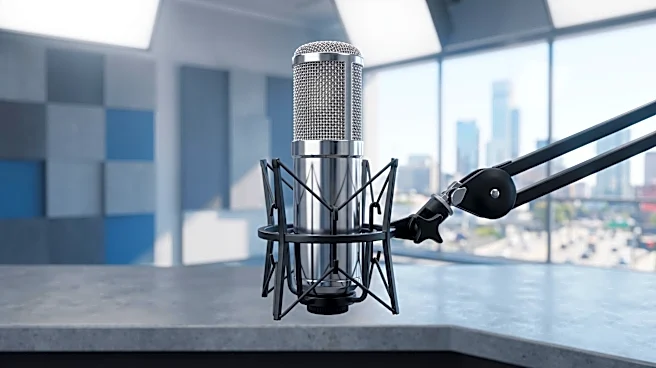
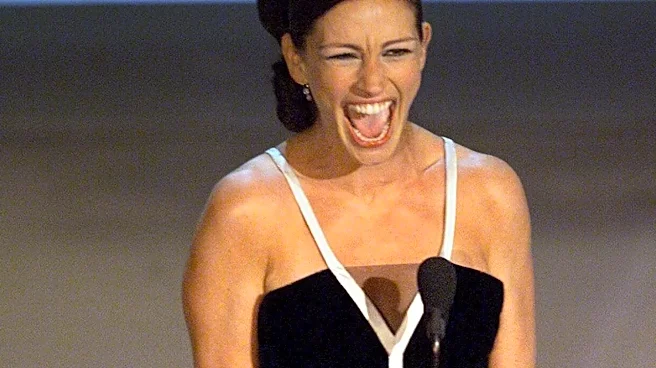
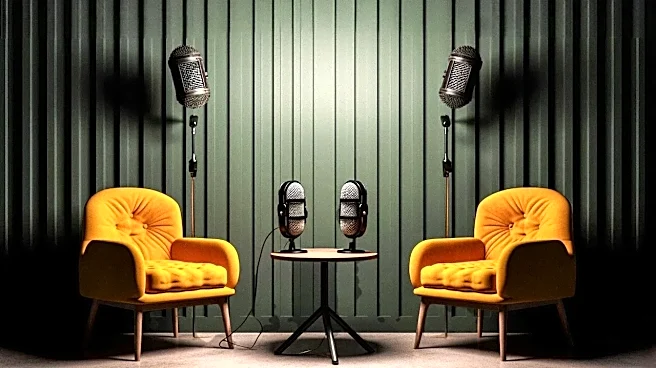
On television, a celebrity is performing for a live studio audience and millions watching at home. The pressure is on to be entertaining, polished, and "on." In a podcast studio, the dynamic shifts. It’s often just two or three people in a room having a talk. This environment encourages a more relaxed, participatory feel. Listeners often report feeling like they're simply sitting in on a chat between friends. This shift away from performance allows for a more authentic exchange, where a celebrity can engage on a deeper level rather than just delivering talking points.
Integrating into Daily Life
Another key difference is how we consume the content. Television viewing often requires our full, focused attention. We sit down and watch. Podcasts are designed to be integrated into our lives—we listen while driving, exercising, or doing chores. This habit of having these voices accompany us during mundane activities builds a unique familiarity and loyalty. The celebrity is no longer just a face on a screen but a recurring voice in our daily routine, which deepens the perceived relationship between the listener and the star.