
The House That Demna Built
To understand why this collection feels like a full-circle moment, you have to know how Vetements started. Launched in 2014 by Georgian brothers Demna and Guram Gvasalia, the brand was a bomb thrown into the pristine halls of Paris fashion. Demna was the creative
force, and Guram was the business brain. They took everyday clothes—raincoats, hoodies, security jackets—and twisted them into new, exaggerated shapes. Their shows were held in sex clubs and Chinese restaurants. Most famously, they put a DHL t-shirt on the runway and sold it for hundreds of dollars, creating an instant, viral-fueled phenomenon that questioned the very nature of luxury. Vetements wasn't just about clothes; it was an anti-fashion statement that became the height of fashion. But in 2019, Demna, who had also become the creative director of Balenciaga, left the brand he co-founded, leaving it in his brother's hands.
Guram's Search for a New Voice
After Demna’s departure, Vetements faced an identity crisis. The brand that had once been the ultimate insider joke felt like it was suddenly on the outside looking in. Guram, who had always been the CEO, stepped fully into the creative director role in 2021. It was a move met with skepticism. Could the business-minded brother fill the enormous creative shoes of Demna, who was now one of the most influential designers in the world? For several seasons, the brand seemed to be searching for its footing, often relying on the loud, graphic-heavy codes that Demna had established. The provocation was still there, but some critics felt the original spark was missing.
A Collection as Memoir
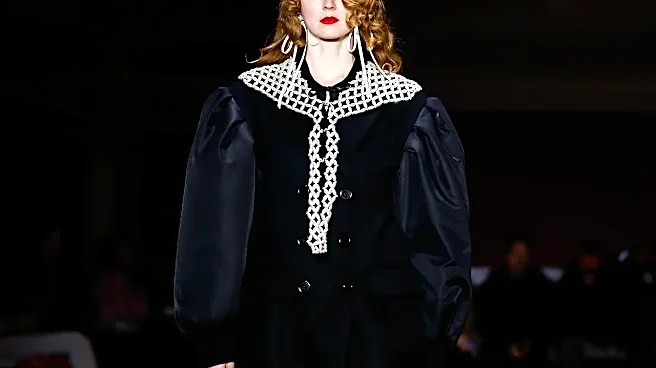
This latest collection, however, feels different. Instead of just revisiting the brand’s greatest hits, Guram has turned inward. The show was framed as a deeply personal narrative, drawing on his own life story. Models walked a stark runway in pieces that referenced the Gvasalia brothers' childhood. Themes included their experience as refugees from the civil war in Georgia, a trauma that has been a recurring thread in their work. This time, the references felt more specific to Guram's memories: looks inspired by blankets from refugee camps, patterns reminiscent of cheap checkered bags, and allusions to designing clothes for Barbie dolls in secret as a child. It was a raw and vulnerable confession, moving beyond irony and into autobiography.
An Emotional Declaration
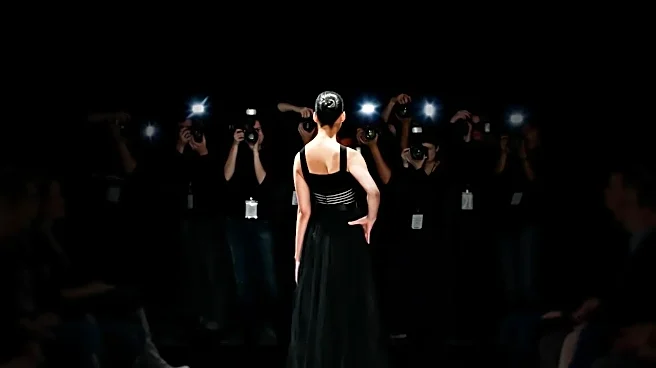
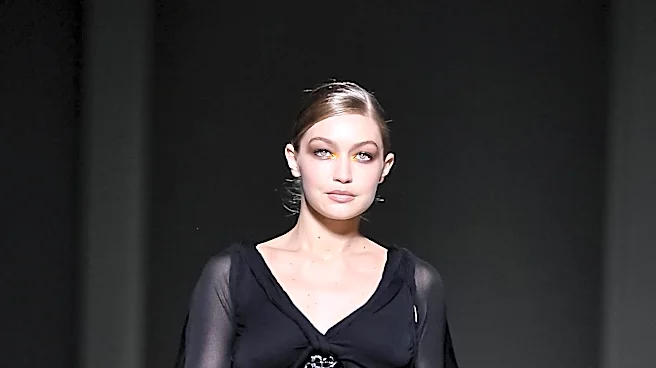
The show’s finale was its most telling moment. One model, dressed in a dramatic black gown, walked the runway weeping. Guram later explained this was a direct reference to their shared history as war refugees. This act of staging such a personal emotion transformed the collection from a set of clothes into a piece of performance art. It was a declaration that this was his story to tell, on his own terms. In a public letter announcing his creative takeover, Guram spoke of feeling like he needed to “come out” as a creative and tell his story for all the kids from underprivileged backgrounds who felt like outsiders. This collection is the culmination of that promise, using the Vetements platform not for irony, but for genuine, unfiltered expression.
What 'Final' Really Means
So, is this really the “final” Vetements collection? Likely not in the literal sense of the brand shutting down. Instead, it feels like the finale of a specific chapter. It's the end of Vetements as a project defined by Demna’s shadow and the beginning of Vetements as Guram’s personal vehicle. By making the collection so explicitly about his own life, Guram has finally wrestled the narrative away from the brand's explosive past. It’s a risky move. The brand's initial power came from its cool, ironic detachment. This new direction is betting on something far more fragile: emotional connection. Whether the brand’s audience follows him on this new journey remains to be seen, but one thing is certain: Vetements is no longer just a commentary on fashion; it's a commentary on a life.