


The 'Third Piece' is Non-Negotiable
In the American style lexicon, an outfit is often just two pieces: a top and a bottom. For the Milanese, this is merely a starting point. The foundational rule of their layering logic is the introduction of a 'third piece.' This isn't just an accessory;
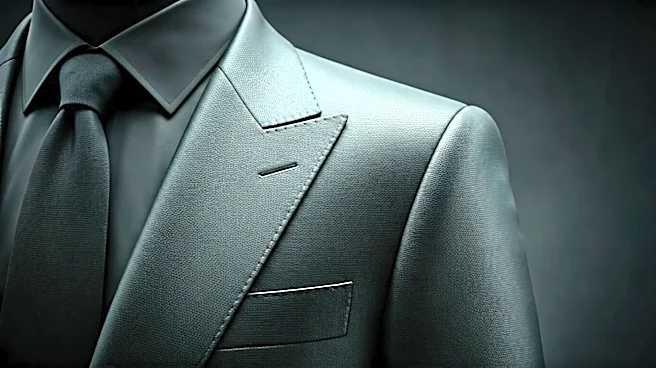
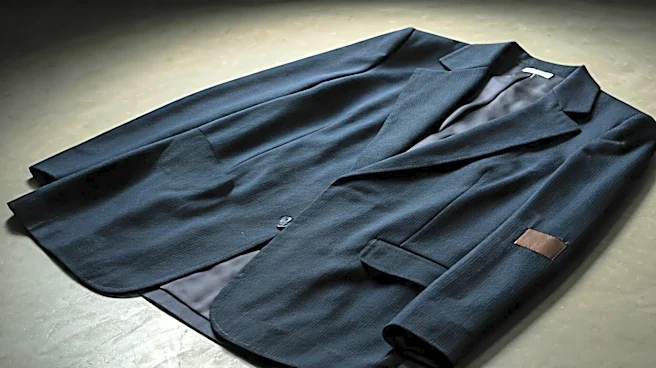
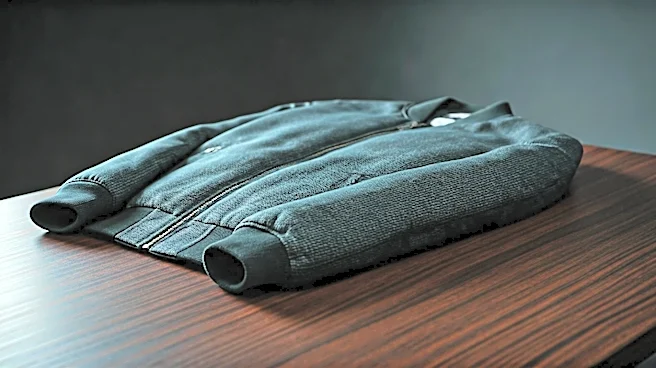
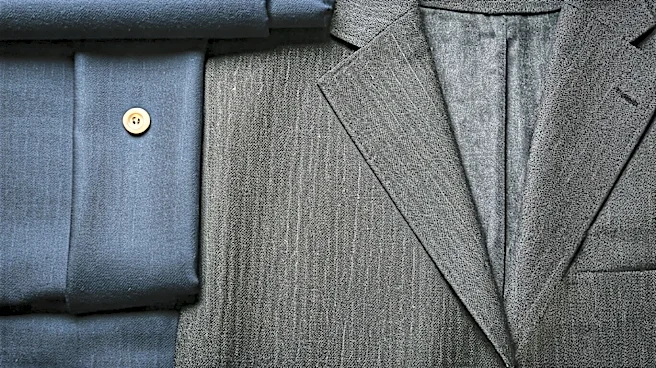
it's a core component that adds depth, structure, and intention. Think of a perfectly tailored blazer thrown over a simple t-shirt and jeans, a lightweight trench coat draped over the shoulders of a knit dress, or a cashmere cardigan acting as a soft counterpoint to a crisp button-down shirt. This third layer does the heavy lifting. It transforms a basic ensemble into a considered 'look,' signaling that the wearer didn't just get dressed, they got *styled*. It’s the visual anchor that pulls everything together, providing a focal point and an extra dimension of interest.
Prioritize Texture Over Loud Patterns
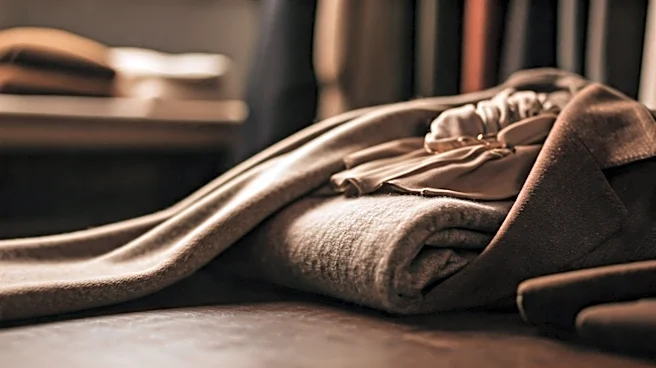
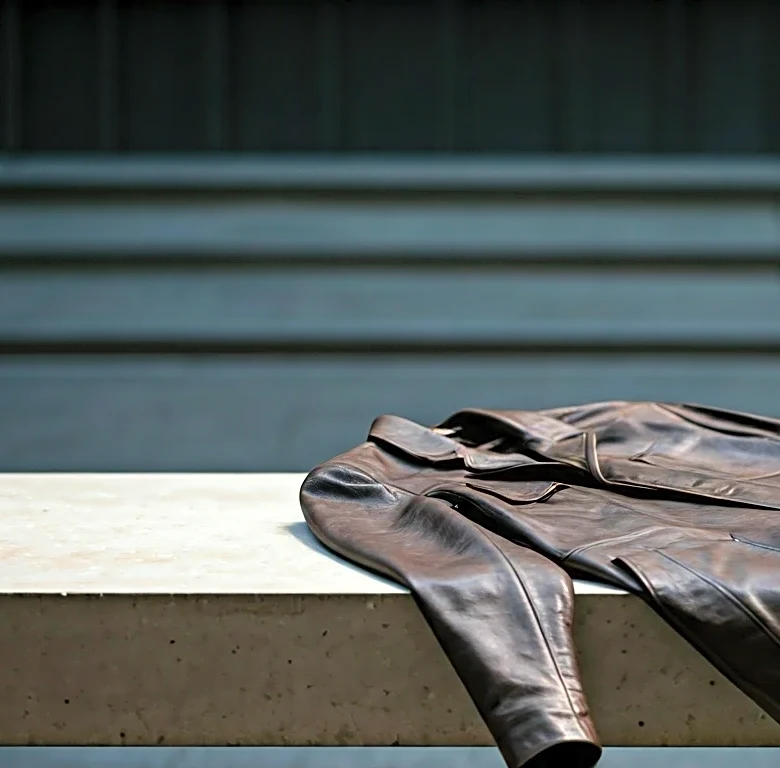
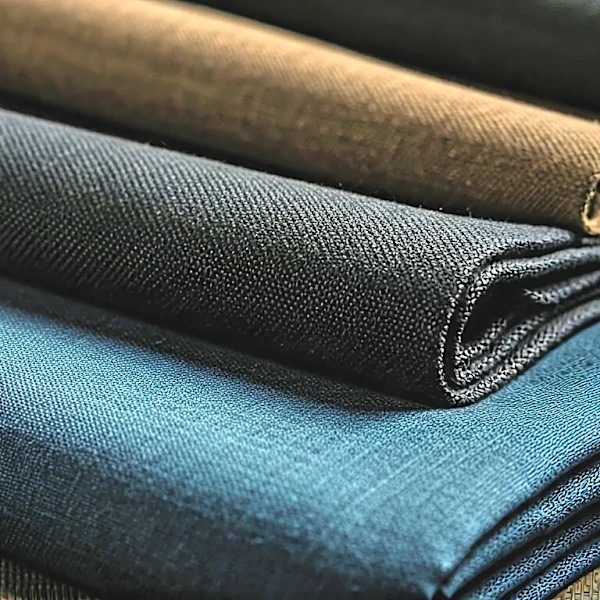
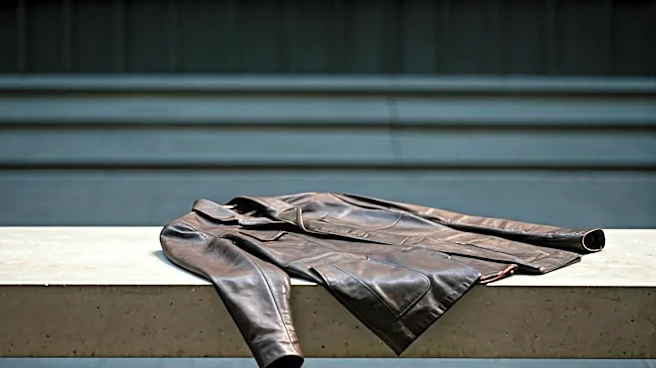
Walk the streets of Milan and you’ll notice that style there doesn’t scream; it whispers. Instead of relying on bold, look-at-me patterns or a rainbow of competing colors, the Milanese mastery of layering comes from a deep appreciation for texture. This is the secret to making a monochromatic or neutral outfit feel rich and complex. Imagine the interplay of a chunky wool sweater beneath a smooth leather jacket, or a silk camisole peeking out from under a soft-spun cashmere V-neck. Each material catches the light differently, creating a tactile and visual landscape. This approach allows for incredible versatility. A wardrobe built on high-quality, textural neutrals—shades of cream, camel, gray, navy, and black—can be endlessly remixed. The focus shifts from 'what matches?' to 'how does this feel?' It’s a more sensual, grown-up way to think about building an outfit from the ground up.
Master the Art of 'Sprezzatura'
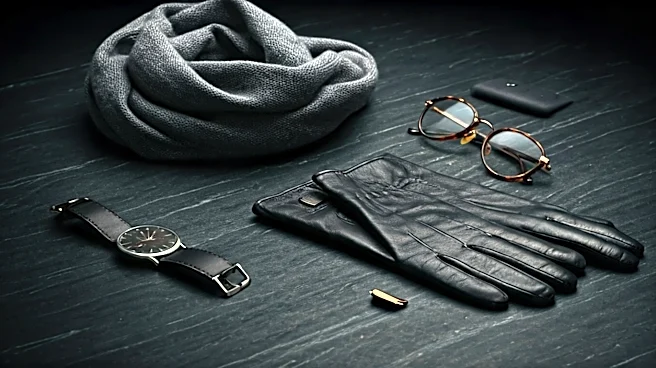
This is perhaps the most crucial—and most elusive—element. *Sprezzatura* is an Italian term for a certain studied carelessness, the art of making the difficult look effortless. In layering, this translates to how you wear your clothes, not just what you wear. It’s the jacket not worn, but draped over the shoulders. It’s the shirt sleeves casually rolled up to reveal a sliver of a sweater cuff underneath. It’s a scarf tied with elegant imperfection. This calculated nonchalance is the antidote to looking stiff or over-planned. The Milanese logic understands that a perfect outfit can sometimes feel sterile. By introducing a small, humanizing touch of imperfection, the entire look becomes more magnetic and approachable. It suggests confidence. You’re so comfortable in your clothes—and your own skin—that you don’t need everything to be perfectly pristine.
Build for the Day, Not the Moment
Milanese layering isn't just an aesthetic choice; it's intensely practical for a modern, urban life. The logic is built for a day that might start with a cool morning commute on a Vespa, move to a heated office, continue to a sunny outdoor lunch, and end with an evening *aperitivo*. The layers are functional. A lightweight blazer can be removed indoors, a sweater can be tied around the waist or shoulders in the afternoon warmth, and a scarf can be added as the evening chill sets in. Each piece serves a purpose and allows for graceful adaptation to changing environments without requiring a full outfit change. This is why quality is paramount. The layers are often fine and light—a fine-gauge merino wool, a silk blouse, a supple leather jacket—so they can be combined without adding excessive bulk. It’s a strategic approach that delivers style and comfort in equal measure, proving that the most fashionable choice is often the most intelligent one.