





The All-Important Silhouette Test
In the world of character design, from animation studios to video game developers, there’s a fundamental concept known as the "silhouette test." The rule is simple: if you can’t identify a character from their blacked-out outline, the design isn't strong
enough. All the intricate details—the texture of their clothes, the color of their eyes, the scars on their face—are stripped away, leaving only their core shape. If that shape is muddled, generic, or confusing, the design has failed. But if the character remains instantly recognizable, you have the foundation of an icon. This test forces artists to focus on what truly makes a character distinct and memorable before a single drop of color is added.
Icons Forged in Shadow
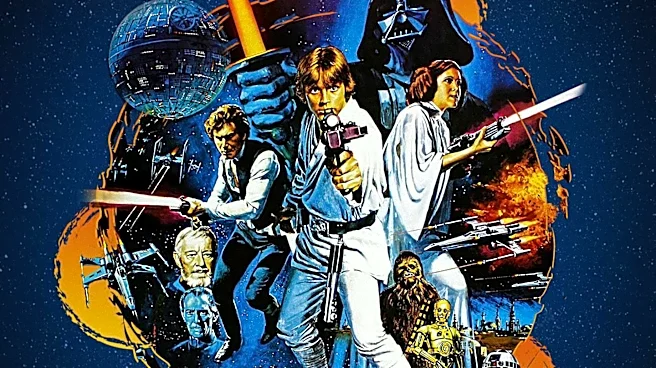
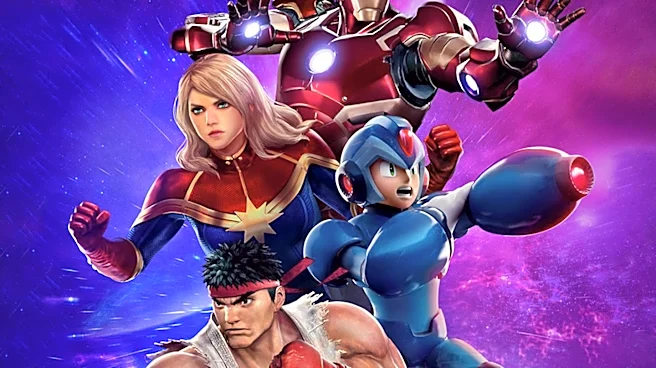
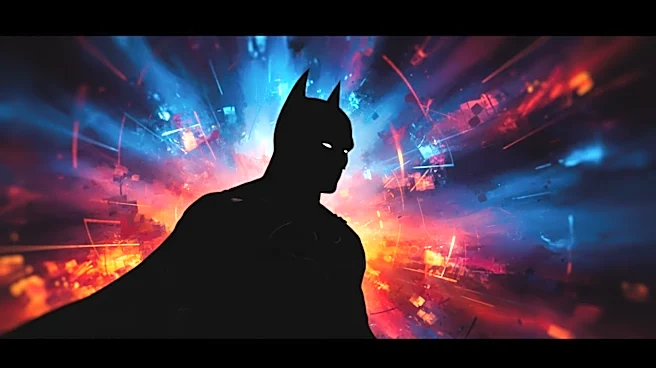
Think of the most enduring characters in pop culture. From Mickey Mouse's round ears to Batman's pointed cowl and flowing cape, their power lies in their unmistakable shapes. A silhouette tells a story before a word is spoken. Sherlock Holmes is just a man until you add the deerstalker cap and pipe, creating a figure of intellectual intrigue. A wizard with a long beard and pointed hat immediately signals magic and wisdom. These shapes are a form of visual shorthand. Sharp, angular silhouettes often denote villains or danger, while soft, rounded shapes suggest friendliness and safety. It’s a universal language our brains understand instinctively, associating form with personality. These characters aren’t just drawings; they are symbols whose outlines are as famous as their faces.
The Trap of Flawless Accuracy
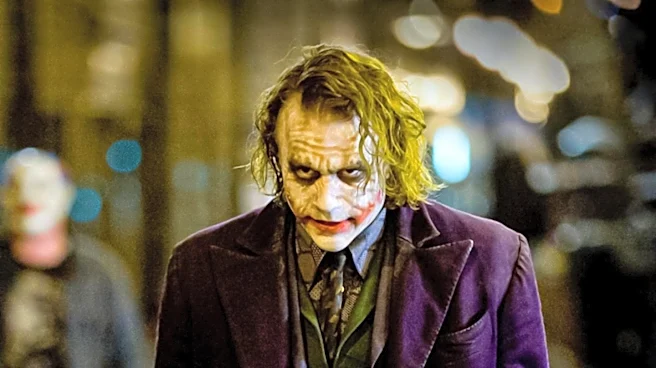
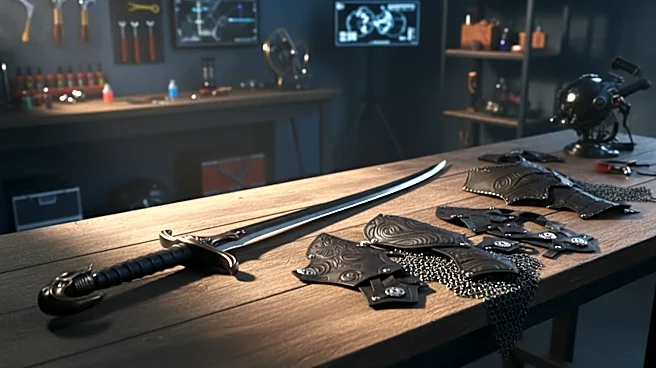
On the other side of the coin is the pursuit of perfect “screen accuracy.” This often comes up in historical dramas or adaptations where the goal is to replicate a source material—be it a real-life period or a specific comic book panel—with painstaking fidelity. While admirable, this approach can sometimes be a trap. A costume might be a flawless recreation of Regency-era fashion, but if it doesn't create a memorable shape for the character wearing it, it fails to make a lasting visual impact. Artistry is often more important for an audience than perfect accuracy. When a design is a collection of meticulously researched details without a strong, unifying shape, it can become visually noisy. The character might look correct, but they won't become iconic. They are accurate, but they aren't memorable.
Why Our Brains Love a Good Outline
The power of the silhouette is rooted in psychology. Our brains are wired for efficiency, constantly looking for patterns and shortcuts to process information quickly. A strong, clear silhouette is the ultimate cognitive shortcut. We recognize the shape long before we process the finer details. This instant recognition triggers an immediate emotional response. You don't just see Batman's silhouette; you feel it—the darkness, the mystery, the imposing justice. This is shape language at work, where simple geometric forms communicate complex ideas. A design that nails its silhouette bypasses the analytical part of our brain and speaks directly to our instincts and our memory, embedding itself far more deeply than a design that merely gets the details right.