





The Parisian Standard
Before the 1940s, American fashion lived largely in the shadow of Paris. For decades, French couture houses dictated global trends with their intricate, formal, and often restrictive designs. American manufacturers would make seasonal trips to Paris,
buying original garments to either copy directly or adapt for the domestic market. Style was something dictated from on high, emphasizing a certain European formality. The idea of a uniquely American aesthetic, built on comfort and practicality, had yet to take hold in the mainstream consciousness. Fashion was an art of ornamentation, not necessarily one of utility.
The Great Disruption
Everything changed with the outbreak of World War II. The Nazi occupation of Paris in 1940 effectively severed the lifeline between French couturiers and the American fashion industry. Suddenly, designers in the U.S. were on their own. Compounding this creative isolation was a crisis of materials at home. To support the war effort, the U.S. War Production Board issued General Limitation Order L-85 in 1942. This sweeping regulation aimed to cut domestic fabric use by 15%. It banned pleats, ruffles, and patch pockets, and strictly limited the width of hems and belts. Wool and silk were redirected to make uniforms and parachutes, leaving designers with humble materials like cotton, denim, and rayon. Fashion was forced into a new reality defined by scarcity.
The Mothers of Invention
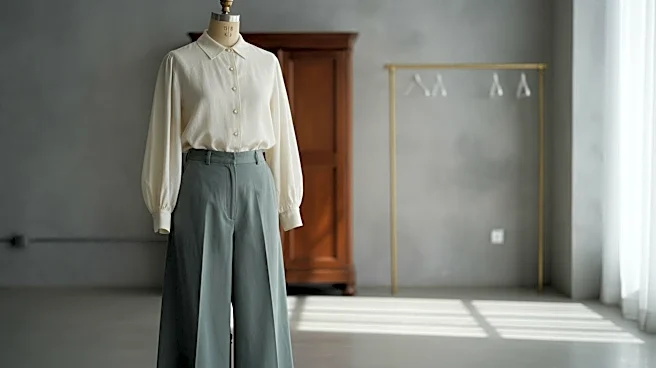
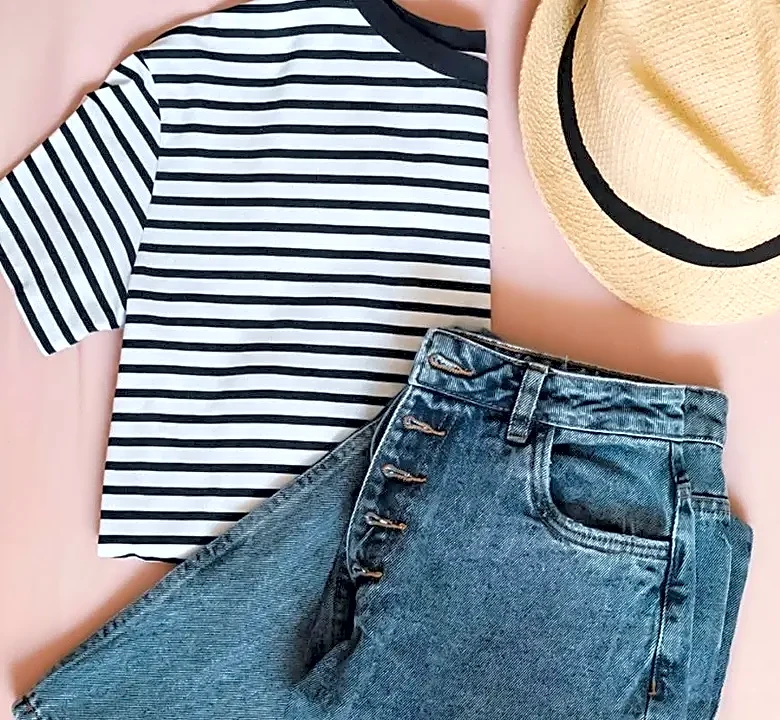
This combination of isolation and restriction became the unlikely catalyst for innovation. A new generation of American designers, many of them women, rose to the challenge by transforming constraints into a creative philosophy. Claire McCardell became the movement's most celebrated figure, championing what she called the "American Look." She used everyday fabrics like denim and jersey to create revolutionary designs, including her famous "Popover" wrap dress, which was stylish, used minimal fabric, and could be easily put on without assistance. Designers like Bonnie Cashin pioneered the concept of separates—interchangeable tops, skirts, and trousers that gave women more versatility with fewer items. Elizabeth Hawes advocated for practical clothing like trousers at a time when they were still not widely accepted for women. These designers weren't just making clothes; they were solving problems.
Forging a New Identity
The result was more than just a collection of new garments; it was a new fashion identity. This emerging sportswear was democratic, accessible, and perfectly suited to the changing role of American women, millions of whom were entering the workforce to support the war. The clothes were made for an active life—clothing for doing, not just for being looked at. The sleek, slim silhouettes were a direct result of L-85 regulations but also projected a sense of purpose and competence. Unlike the rigid structures of Parisian couture, American sportswear offered freedom of movement. It was a style that reflected a national spirit of resourcefulness and resilience.
From Rationing to Ready-to-Wear
When the war ended and Paris re-emerged, the world had changed. The American Look didn't disappear; it thrived. U.S. designers had proven that mass-produced, ready-to-wear clothing could be both stylish and inventive. They had built an entire industry around the principles of ease, comfort, and practicality—values that resonated with a post-war society eager for modern life. The innovations born from wartime necessity, from simple wrap dresses to mix-and-match separates, laid the complete groundwork for the modern casual wardrobe. The idea that you could be well-dressed without being formal was no longer radical; it was simply American.