

A Symphony of Shenanigans
The core appeal of the Super Troopers franchise is its gleeful celebration of absurdity. From the opening scene of the first film, where a trio of stoners gets systematically messed with, the tone is set. This is a world where law enforcement officers
are more concerned with pulling off the perfect prank than upholding the law. You have Mac and Foster competing in ridiculous highway games, Rabbit undergoing hazing rituals with wide-eyed naivete, and the ever-present, profoundly obnoxious Farva, a human bullhorn of insecurity and misplaced aggression. The humor is born from their collective immaturity and the sheer joy they take in their own ridiculousness. It’s a workplace comedy where the work is secondary to the high jinks, creating a baseline of joyful chaos that fans have loved for over two decades.
The Anchor in the Absurdity: Captain O'Hagan
But a symphony of pure chaos would just be noise. To make it comedy, you need a conductor—or at least someone trying desperately to get the orchestra to play the right notes. In the world of Super Troopers, that role belongs to Captain John O'Hagan, played with brilliant, world-weary exasperation by Brian Cox. O'Hagan is the quintessential "straight man." He isn't without his own comedic moments, but his primary function is to provide a wall of normalcy for the troopers to bounce off of. His pained expressions, his sighs of utter defeat, and his attempts to instill a shred of professionalism are what ground the entire enterprise. He is the audience's surrogate, reacting with the disbelief and frustration we would all feel if faced with such a crew. His seriousness makes their lack of it ten times funnier.
Why Contrast Creates Comedy Gold
The straight man is a classic comedic archetype for a reason, dating back to the days of vaudeville with duos like Abbott and Costello. The principle is simple: humor is generated by contrast. If everyone in a scene is behaving ridiculously, the absurdity has no yardstick. It can quickly become overwhelming or simply nonsensical. The straight man provides that yardstick. When the troopers play the "meow" game, the joke isn't just that they're replacing words with "meow"; it's the look on the driver's face and, more importantly, the inevitable fallout when O'Hagan finds out. His fury and disappointment provide the comedic punctuation. He represents order, and the humor comes from watching that order relentlessly and creatively dismantled by his subordinates. Without his straight-faced baseline of sanity, the pranks would lose their transgressive punch.
A Formula for the Future
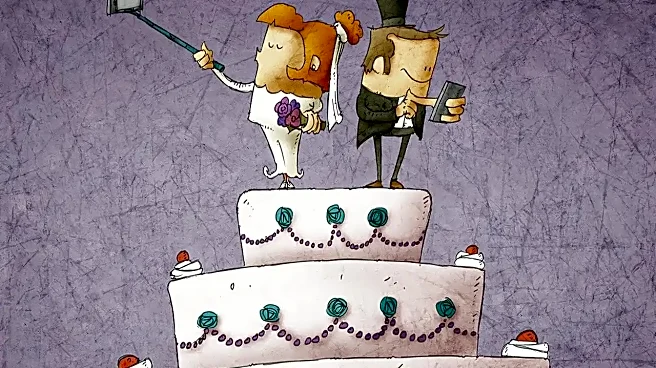
This dynamic will be crucial for the success of the upcoming Super Troopers 3: Winter Soldiers. The temptation with any comedy sequel is to go bigger and crazier, but the creative team at Broken Lizard would be wise to remember their secret weapon. The plot, which reportedly involves Thorny trying to stop Farva's wedding to his sister, is already ripe for this dynamic. The chaos of Farva joining the family is the perfect comedic engine, but it will only work if Thorny—and by extension, Captain O'Hagan—plays it seriously. Their genuine distress will be the engine for the laughs. It’s a formula seen in other classic ensembles, from Jason Bateman's Michael Bluth in Arrested Development to the long-suffering staff in The Office reacting to Michael Scott. The person who takes things seriously gives the audience permission to find the chaos hilarious.