



The Reign of Scandi Minimalism
Not long ago, the quintessential Copenhagen look was a study in restraint. Imagine a uniform of beige trench coats, perfectly tailored trousers, architectural knitwear, and a color palette dominated by black, white, and shades of oatmeal. This was Scandinavian
minimalism, a design ethos rooted in functionality, clean lines, and a 'less is more' philosophy. It was practical, effortlessly chic, and globally influential. Fashion editors and influencers flocked to the Danish capital for a masterclass in understated elegance, creating a powerful and easily identifiable brand that dominated mood boards worldwide. This aesthetic was about blending in beautifully, prioritizing timelessness and high-quality construction over fleeting trends.
A Technicolor Takeover
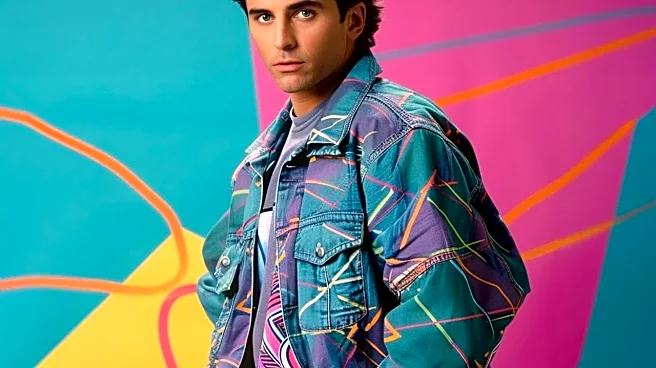
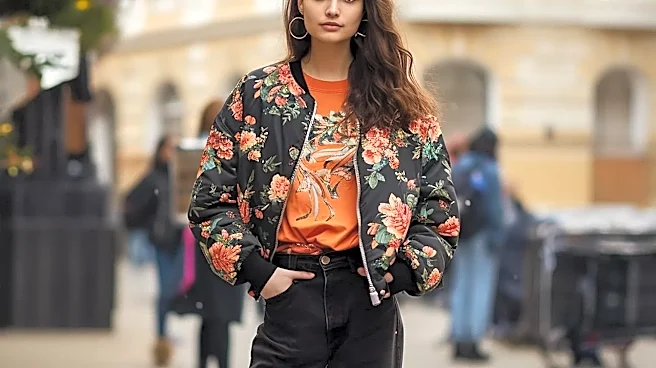
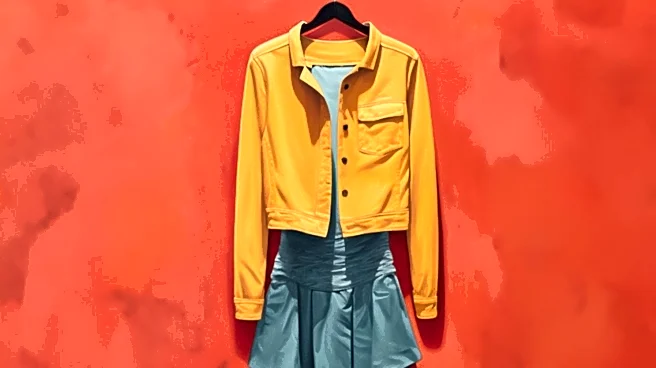
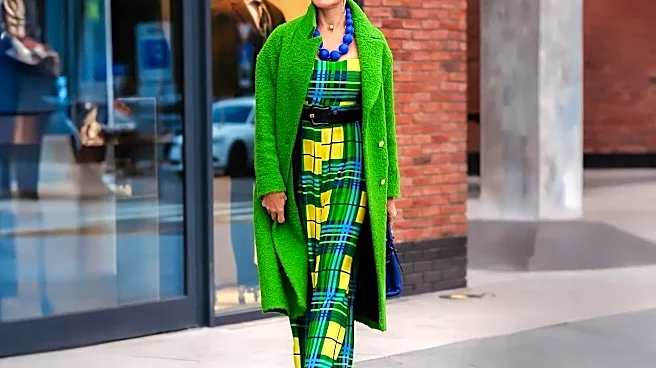
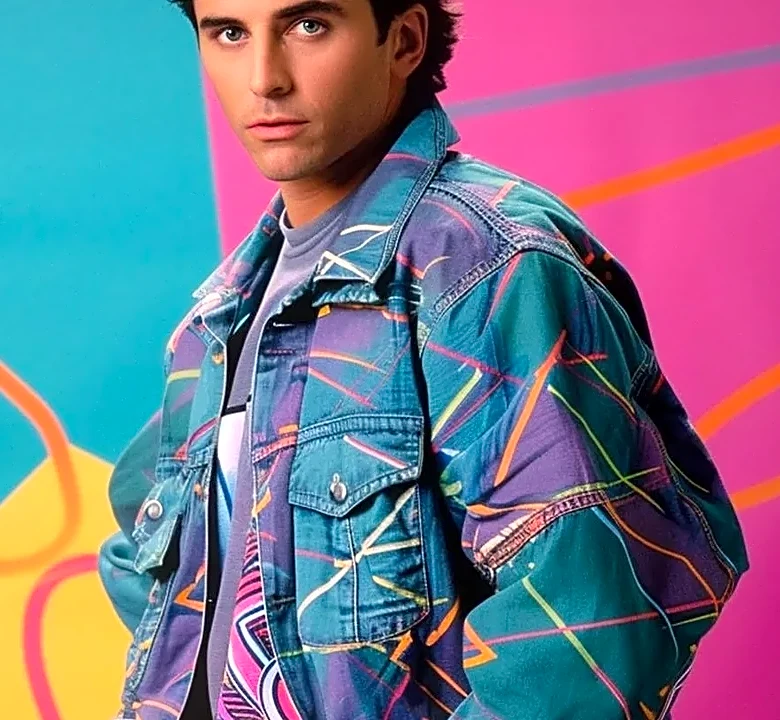
Today, that minimalist uniform is being challenged by an explosion of color. The streets of Copenhagen during its celebrated Fashion Week now look decidedly different. Think electric blue paired with chocolate brown, chartreuse green accents, and head-to-toe looks in vibrant fuchsia. The new guard of Danish style isn't afraid to clash prints, embrace playful silhouettes, and accessorize with abandon. Brands like Ganni, Stine Goya, Saks Potts, and Helmstedt have become synonymous with this more-is-more approach, championing a look that is joyful, expressive, and unapologetically bold. This shift isn’t a wholesale rejection of the past, but rather a dynamic expansion of what 'Scandi style' can be. The new look is layered, eclectic, and full of personality.
The Gen Z Effect and Dopamine Dressing
At the heart of this transformation are younger shoppers, particularly Gen Z, who approach fashion with a different set of priorities. For them, clothing is a primary tool for self-expression and mood regulation. This has given rise to the concept of "dopamine dressing"—the idea of wearing clothes that bring you joy and boost your mood. After years of global uncertainty, many are seeking out fashion that feels optimistic and fun. Bold colors and playful patterns are a form of visual resistance to a muted world. This generation, digitally native and fluent in the visual language of TikTok and Instagram, understands that a vibrant, eye-catching outfit is more likely to stand out in a crowded feed. They are less interested in conforming to a rigid aesthetic and more focused on authentic, individual expression.
Sustainability Gets a Playful Makeover
The move toward color doesn't mean Danish fashion has abandoned its core values. Copenhagen Fashion Week has some of the most stringent sustainability requirements in the industry, and this new wave of colorful brands is fully on board. Younger consumers are highly conscious of the environmental and ethical impact of their purchases. They demand transparency from brands, and a label's commitment to sustainability is a major selling point. The new crop of Danish designers has successfully merged this eco-conscious mindset with a joyful, vibrant aesthetic. They prove that responsible fashion doesn't have to be beige. By using innovative, recycled materials and championing vintage, they offer a product that appeals to both the conscience and the desire for sartorial excitement.