






The Simultaneous Kickoff Dilemma
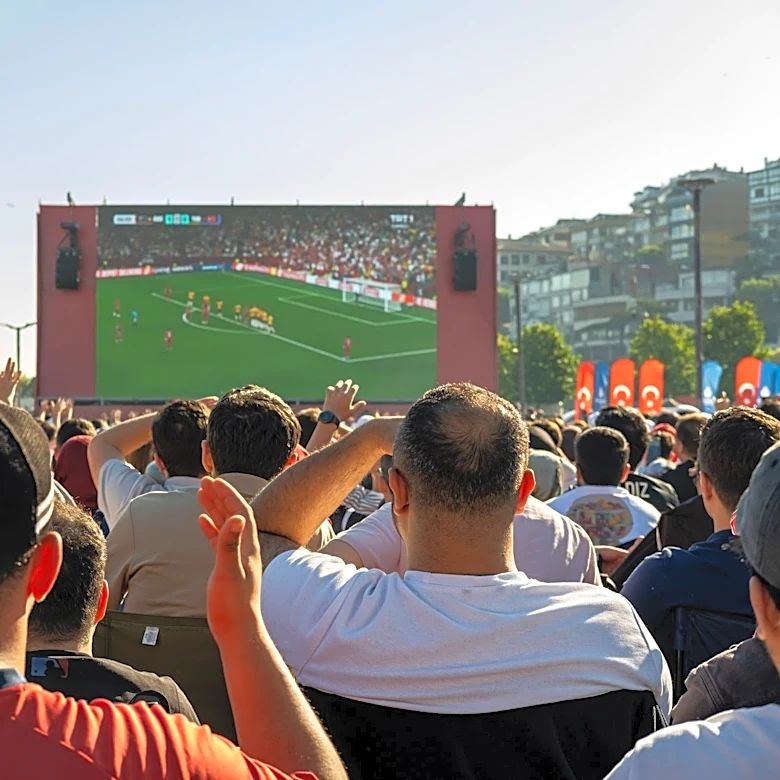
Welcome to the final matchday of the World Cup group stage. Two games are kicking off at the same time, each with massive implications for who advances. FIFA mandates simultaneous kickoffs for the final group matches to ensure fairness and prevent teams
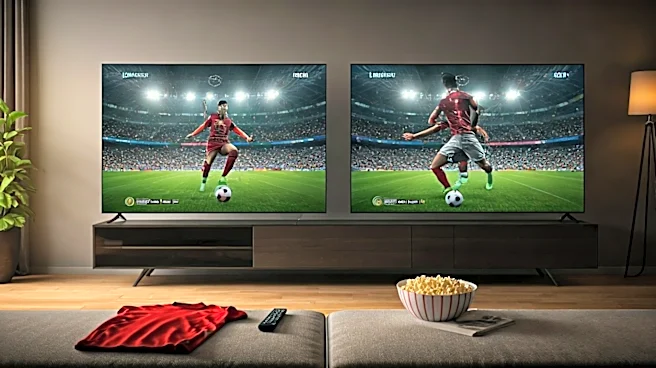
from gaining a competitive advantage. This creates a delicious, chaotic scenario for fans but a practical problem for hosts. How do you watch both? In the U.S., the broadcast rights are split, with one game on a major network like FOX and the other on a channel like FS1. This broadcast strategy during crunch time almost demands a second screen just to keep up with the action you’re missing. A phone, a tablet, a laptop—suddenly, your living room transforms into a command center, ensuring you don’t miss a single goal or crucial moment that could decide a team's fate.
The Second-Screen Imperative
It’s not just about watching another game. The second screen has become an essential tool for a deeper, more layered viewing experience. While the main screen shows the flow of the game, a tablet or phone becomes the data hub. Studies show that a massive majority of sports fans, nearly 90% according to some reports, use a second screen while watching live matches. Fans are diving into real-time stats, heat maps, and player performance metrics on dedicated apps like FotMob and Sofascore. These apps provide a level of tactical insight that a traditional broadcast can't match, showing everything from pass completion rates to where a player has been on the field. It's no longer just watching; it's analyzing.
The Social Media Sideline
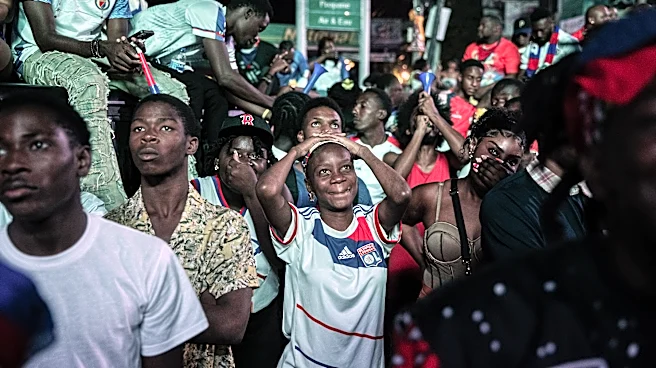
Is it even a goal if you don’t immediately see the reaction on social media? For many, the answer is no. Platforms like Twitter, Instagram, and TikTok have become virtual stadiums where fans from across the globe gather to share their real-time reactions. A stunning goal is followed by a worldwide explosion of memes, expert commentary, and arguments. Following a match-specific hashtag creates a global watch party, a shared experience that transcends geography. This two-way conversation has fundamentally changed fandom from a passive viewing experience to an active, participatory event. Players, clubs, and journalists all contribute to this stream, providing instant updates and behind-the-scenes content that enriches the main broadcast.
The Fantasy and Betting Angle
Another major driver of the multi-screen setup is the explosion of fantasy sports and live sports betting. These activities turn every moment of the match into a data point. A fan with a fantasy team isn't just watching the ball; they're tracking individual player stats, substitutions, and potential injuries on a second or even third device. Similarly, the legalization of sports betting has created a demand for live, in-play odds and markets. Betting platforms are now designed for this “glanceable” interaction, allowing users to check odds and place wagers in short bursts without missing the game. This adds another layer of engagement—and another dedicated screen—to the weekend viewing ritual.
Curating Your Perfect Command Center
So what does the ultimate setup look like? It starts with the biggest, best screen you have for the main match. That’s your emotional centerpiece. Next, add a laptop or a streaming device connected to a second TV to show the simultaneous match. Then, have a tablet propped up and dedicated to a statistical deep-dive with an app like FotMob, Sofascore, or the official FIFA+ app. Finally, your phone is your connection to the world—your portal to the social media conversation, your group chats, and your fantasy league updates. It may sound like overload, but for the dedicated soccer fan during a World Cup, it’s paradise. It’s about being fully immersed in every facet of the beautiful game.