





Growing Clothes in a Lab
Forget cotton fields; the future of fabric might be found in a petri dish. A new wave of bio-couture is exploring materials grown from living organisms. We're talking about everything from leather alternatives cultivated from mycelium (the root structure
of mushrooms) to shimmering textiles spun from algae. Designers like Nina D'heygere and brands collaborating with biotech labs are presenting these as viable, luxurious options. The appeal is twofold: they offer a potential escape from the resource-intensive processes of traditional textile production and animal agriculture, and they introduce textures and properties that feel entirely new. It's less about simply replacing old materials and more about creating a category of fashion that feels alive, both in its origin and on the body.
Upcycling, But Make It Couture
The concept of upcycling has been around for years, but London designers are elevating it from a crafty niche to a high-fashion statement. This isn't about patchwork quilts. It's about radical transformation. Take the work of Priya Ahluwalia, who mines vintage and deadstock clothing to create intricate, culturally rich menswear. By laser-treating denim, digitally printing on secondhand fabrics, and patchworking disparate materials, she tells a new story with something old. Similarly, designers like Conner Ives are building entire collections from repurposed materials, turning forgotten t-shirts into elegant gowns. They prove that the most sustainable material is the one that already exists, and that creativity can turn waste into something you’d covet.
Knitwear's Spiky, Sci-Fi Makeover
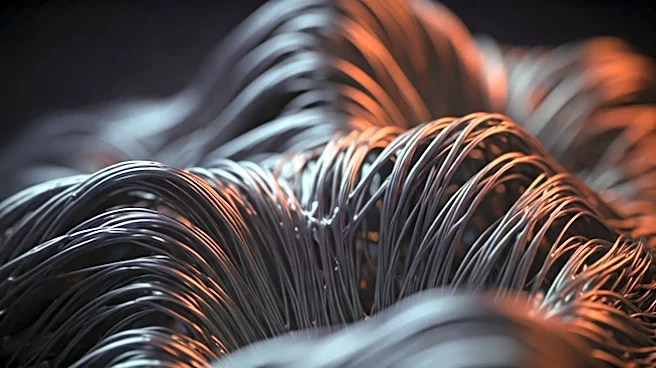
Knitwear has officially shed its cozy, homespun reputation. In London, it’s being treated as a medium for sculpture and science fiction. The most dramatic example is Chet Lo, whose signature technique creates spiky, alien-like textures that have become an instant cult favorite. Using a specialized method of knitting with a synthetic monofilament yarn, his garments look like they were pulled from a futuristic coral reef. It’s a brilliant technical feat that transforms a simple dress or top into a piece of wearable art that moves and breathes in a completely unique way. This isn't your grandmother's knitting; it's a new dialect for a traditional craft, showing how even the most familiar techniques can be pushed into uncharted territory.
The 'Wet Look' Without Water
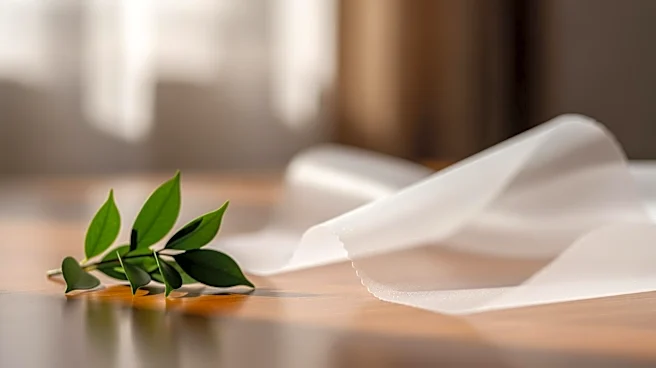
One of the most visually arresting trends on the London runways has been the illusion of perpetual dampness. Designers like Di Petsa have perfected the art of creating 'wet look' dresses that appear to be clinging to the body as if the wearer just emerged from water. This isn't achieved with a spray bottle backstage, but through meticulous fabric innovation and draping. Using recycled jerseys and specially treated tulles, designers painstakingly stitch and sculpt the fabric to mimic the natural folds and transparency of wet cloth. It’s an incredible display of technical skill that plays with ideas of sensuality, vulnerability, and the body. The resulting garments are both ethereal and deeply human, a testament to how a textile experiment can evoke a powerful emotional response.
The Return of 'Forgotten' Fibers
While some look to the future, others are finding innovation by looking to the past. A quiet but powerful movement is seeing designers rediscover and modernize forgotten or underutilized natural fibers. Think nettle, hemp, and flax—plants that can be grown with far less water and fewer pesticides than conventional cotton. Designers like Patrick McDowell have incorporated materials like Tencel (made from wood pulp) and Piñatex (a leather alternative made from pineapple leaf fibers) into their collections. By applying modern design principles and high-fashion tailoring to these ancient, eco-friendly materials, they are challenging the industry's reliance on synthetics and water-guzzling crops. It's a back-to-nature approach that feels refreshingly modern.