
More Than Just a Marketplace
For decades, the narrative around a comic book was primarily shaped by its publisher. The company's marketing department decided the angle, the press releases set the tone, and the creators were often
just one part of a larger promotional machine. New York Comic Con, in its modern form, has become a powerful counter-force to this top-down model. While massive corporate booths for Marvel, DC, and others still dominate the main floor, the event’s true impact on creator agency is found in its sprawling, energetic, and deeply personal spaces. It's in these areas, away from the deafening sound systems of Hall H, that comic writers and artists are not just selling their work; they are curating their own public identity, one handshake, sketch, and conversation at a time. The convention transforms from a simple trade show into a dynamic platform for direct connection.
The Power of Artist Alley
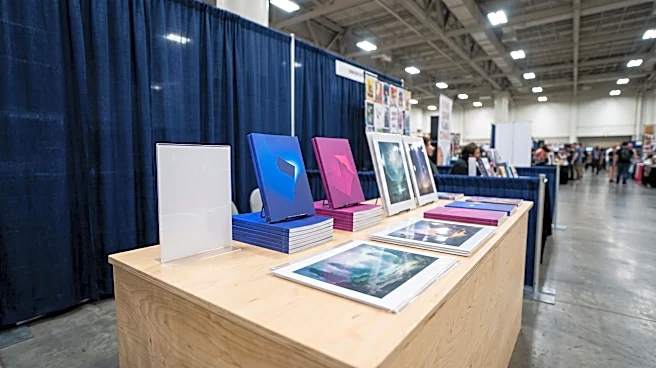
Nowhere is this shift more visible than in Artist Alley. Officially described as a "creative melting pot," it’s a vast section of the Javits Center where hundreds of creators sit at tables, surrounded by their original art, self-published zines, and exclusive prints. Think of it less as a flea market and more as a series of pop-up studios where fans can interact directly with the minds behind their favorite stories. Here, a writer isn't filtered through a publicist; an artist isn't just a name in the credits. They are present, accessible, and in complete control of the fan experience. They set their prices, decide what work to showcase, and engage in genuine conversations about their process and passions. For many independent creators, and even for established names working on personal projects, Artist Alley is their primary storefront, public relations office, and community hub all rolled into one.
Controlling the Conversation from the Podium
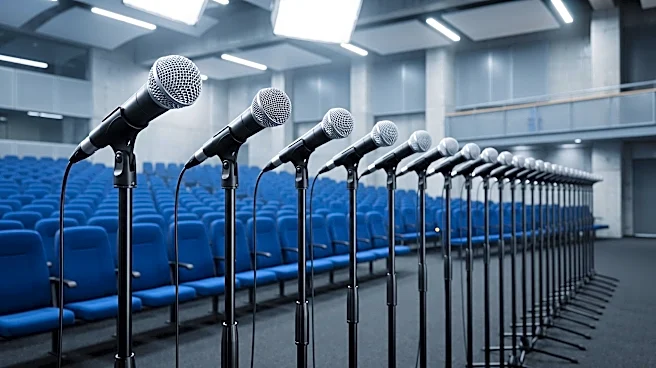
Beyond the sales floor, creator-centric panels offer another vital avenue for narrative control. While major publishers host panels to announce corporate initiatives, many smaller, more focused discussions happen simultaneously. Panels featuring creators from DC's Vertigo and Black Label imprints, for example, dive into nuanced genres like horror and crime, allowing the storytellers themselves to explain their vision. Similarly, independent publishers like IDW use their panels to give creators a platform for major announcements, moderated by their own team but centered on the creative voice. These settings allow writers and artists to contextualize their work, answer fan questions directly, and share personal anecdotes that a formal press release would never capture. It’s a chance to be seen as a person with a perspective, not just a producer of content for a well-known franchise. Even events like the "Comic Creator Connection" at other major cons highlight the industry's move toward empowering individual talent by helping writers and artists find collaborators for their next big idea.
Building a Direct-to-Fan Universe
Ultimately, what an event like New York Comic Con provides is a powerful, real-world anchor for a creator's digital presence. A positive interaction at a booth can translate into a new social media follower. A candid moment from a panel, captured on video by an attendee, can go viral and introduce a creator’s personality to a global audience. It closes the gap between the finished comic book on the shelf and the human being who poured their imagination onto its pages. By combining the personal touch of face-to-face meetings with the reach of online platforms, creators can build a loyal following that is invested in them as much as in the characters they draw or write. This direct relationship gives them leverage, influence, and a degree of narrative control that was once reserved for the publishers who signed their checks. It’s a slow but steady revolution happening in the aisles and panel rooms of the country's biggest pop culture gathering.