







The Audience: Fans vs. Exhibitors
The single biggest difference between Hall H and CinemaCon is who is sitting in the audience. Hall H, the 6,500-seat arena at the heart of San Diego Comic-Con, is for the fans. These are the die-hards who camp out overnight, dressed as their favorite
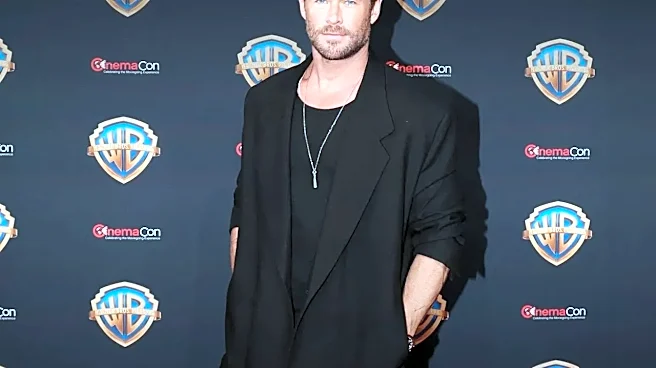
characters, ready to explode with excitement for a new trailer or a surprise celebrity appearance. The entire event is designed to generate public, grassroots enthusiasm. It's a direct conversation between the creators and their most passionate consumers. CinemaCon, held annually in Las Vegas, is the complete opposite. It's an exclusive, industry-only trade show for movie theater owners, known as exhibitors. The people in this room aren't there to cosplay; they're there to decide which movies will get the best screens and the biggest marketing push in their theaters. The audience includes everyone from the owners of massive global chains to small independent theaters, all gathered to see what Hollywood has to offer them as a product.
The Pitch: Selling a Dream vs. Selling a Product
Because the audiences are so different, the presentations are tailored accordingly. A studio panel in Hall H is pure spectacle. It’s a rock concert built to create viral moments. Actors appear in character, directors share heartfelt stories about their vision, and exclusive, high-energy trailers are debuted to a room designed to amplify hype. The goal is to sell the dream of the movie, creating an emotional connection that fans will carry out into the world and onto social media. At CinemaCon, the pitch is more of a business proposition. While stars still take the stage and exclusive footage is shown, the presentations are peppered with studio executives talking about box office projections, release windows, and marketing support. The goal isn't just to show that a movie is good, but to convince theater owners that it will be profitable. Studios use the event to assure exhibitors that they will have a steady pipeline of commercially viable films to fill their screens throughout the year, especially after periods of disruption like strikes or pandemics.
The Timing: Summer Hype vs. The Full-Year Slate
The two events occupy different, strategic spots on the calendar. San Diego Comic-Con takes place in July, making it the perfect launchpad for the latter half of the year's blockbusters and the first look at next summer's biggest tentpoles. It’s about building and sustaining momentum for specific, high-profile genre films—superhero sagas, sci-fi epics, and major fantasy series. CinemaCon happens earlier, typically in the spring. This timing allows studios to present their entire upcoming slate for the year, from summer blockbusters to fall prestige pictures and holiday family films. It gives theater owners a comprehensive overview of the product they'll be selling for the next 12 months, allowing them to plan their schedules and allocate resources far in advance. It’s less about one single movie and more about the health of the entire theatrical ecosystem for the coming year.
The Impact: Buzz vs. Business
Ultimately, both events serve the same master—the box office—but they influence it in different ways. The impact of Hall H is measured in buzz. A thunderous ovation can create weeks of positive press, dominate social media conversations, and signal to the broader public that a film is a can't-miss event. While a great reception doesn't guarantee success, it's a powerful marketing accelerant designed to create massive opening weekends. CinemaCon's impact is more direct and foundational. A strong presentation can convince theater owners to give a film more showtimes, book it on their best premium large-format screens, and invest in local advertising. It's where the logistical and financial partnerships between studios and theaters are solidified. Without the buy-in from the people at CinemaCon, the fan excitement generated in Hall H would have nowhere to go. One creates the demand, and the other secures the supply.