







The Nine-Match Juggernaut
The most straightforward case for Dallas’s supremacy is simple arithmetic. AT&T Stadium—which will be temporarily renamed “Dallas Stadium” per FIFA rules—is set to host nine matches, more than any other venue in the tournament. While other major cities
landed prestigious games, none will have the sheer volume of activity slated for Arlington. The schedule includes five group stage matches, a Round of 32 game, a Round of 16 knockout match, and the crown jewel: a World Cup semi-final on July 14. This isn’t just about quantity; it’s about sustained, high-stakes relevance from the opening weeks right through to the tournament’s dramatic conclusion. While New Jersey’s MetLife Stadium snagged the final, Dallas secured the next-best prize, ensuring the world’s attention will be fixed on North Texas in the most critical phase of the competition.
A Venue Built for the Global Stage
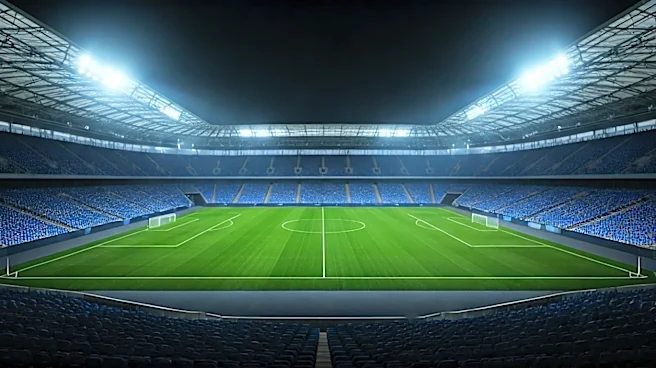
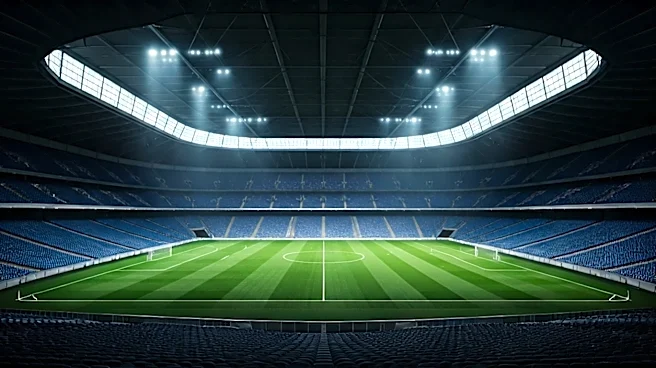
AT&T Stadium was conceived for moments exactly like this. Known colloquially as “Jerry World,” the architectural marvel is more than just a football stadium; it's an entertainment palace. Its massive capacity, which can expand to over 90,000, guarantees a colossal audience for every match. More importantly for a summer tournament, its retractable roof offers a climate-controlled environment, a crucial advantage in the Texas heat that FIFA officials surely noted. The venue is also undergoing significant renovations to prepare, including upgrades to premium suites and, critically, installing a natural grass pitch elevated to meet FIFA’s specific field dimensions. Add in the gigantic center-hung video board, and you have a venue perfectly engineered to deliver the spectacle a global audience expects.
The Economic Power Play
Being a “power venue” isn’t just about what happens on the pitch; it’s also about the money. The economic projections for the Dallas-Fort Worth region are staggering. While some economists advise tempering expectations, most estimates point to a massive windfall. Projections for the economic impact on North Texas range from around $400 million to over $1.5 billion, driven by an influx of international tourists for the nine matches. These visitors will fill hotels, pack restaurants, and utilize local transportation, creating a projected 3,000 temporary jobs in the process. Furthermore, Dallas will host the tournament's International Broadcast Center, cementing its role as the media hub for the event and giving the region unparalleled global exposure that can attract future investment and tourism long after the final whistle.
The Strategic & Political Victory
Dallas’s prominent role was not a happy accident. It was the result of a years-long, strategic effort by a powerful local organizing committee, including the Dallas Sports Commission, FC Dallas, and the Dallas Cowboys. This group successfully lobbied FIFA, highlighting the region’s robust infrastructure, including two major airports and ample hotel space. The region's central location in the U.S. is another logistical advantage, simplifying travel for teams and fans moving between the tournament's three host countries. While Dallas’s bid for the final was ultimately unsuccessful—a decision that surprised some who favored the Texas bid—the consolation prize of the most matches and a semi-final was a clear acknowledgment of the strength and sophistication of the North Texas proposal.