






Turning Costumes Into Clothing
The first step in making a period film feel real is a philosophical one. Top costume designers don't think of themselves as dressing actors in costumes; they are helping them find their character's clothes. The goal isn't to create a parade of pristine,
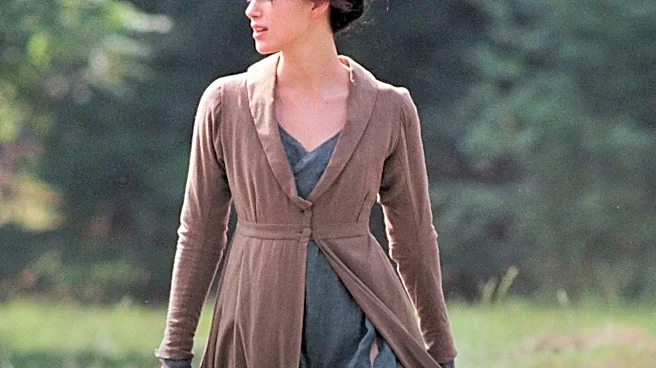
historically perfect outfits that look like they belong in a museum. It's about translating a script into a wardrobe that tells a story. For Greta Gerwig's 'Little Women,' costume designer Jacqueline Durran focused on making the period-accurate clothes feel like they were truly owned by the March sisters. She eased up on the typical Victorian stiffness, allowing the actors to move and live in the garments naturally. This crucial shift in mindset transforms a character from a historical doll into a believable person with a past, a personality, and a closet full of clothes that have been worn, mended, and maybe even shared. It's the difference between a costume and an identity.
The Art of the 'Breakdown'
To achieve that lived-in look, designers turn to a process called 'breaking down' or 'distressing.' This is the art of making new things look old, and it involves a surprisingly hands-on toolkit. To mimic natural wear and tear, breakdown artists will take sandpaper, cheese graters, or wire brushes to a brand-new garment. They focus on areas that would naturally fray over time: cuffs, collars, elbows, and knees. The idea is to replicate a lifetime of use before the item ever appears on screen. Stains are another key element. Rather than using real mud or dirt, which can be unhygienic for actors and unpredictable on camera, designers use a controlled palette. Garments are often boiled in tea or coffee to give them a subtle, aged patina, which works especially well on white fabrics. For more specific grime, sweat, or dirt, artists use everything from watered-down acrylic paint to specialty products often called 'movie dirt,' which can be sprayed or brushed on precisely where a stain would naturally occur.
Weaving Stories With Thread
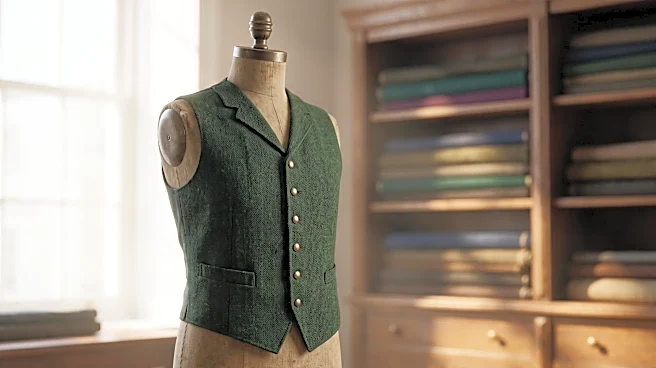
The most powerful details are often the smallest. A lived-in wardrobe is full of tiny narratives that reveal a character's history, habits, and emotional state. A carefully darned sock might suggest a character is frugal or sentimental. A faded patch on a jacket could be from years of carrying a bag on the same shoulder. These imperfections make a character tangible. In 'Little Women,' for example, Jo and Laurie are seen swapping items of clothing, most notably a waistcoat. When Jo later wears his vest while refusing his marriage proposal, the garment becomes a silent piece of dialogue, symbolizing their deep bond and her desire for a freedom that transcends traditional roles. This is storytelling at its most subtle. Every choice, from a missing button to a hand-me-down dress, is a thread in the larger tapestry of the character's life. It's these personal touches that build a deep sense of authenticity, making the audience forget they're watching a constructed world.
Research, Reality, and Bending the Rules
Creating this level of detail begins with exhaustive research. Designers and their teams dive into historical archives, studying portraits, photographs, and even diaries from the period to understand not just what people wore, but how they wore it. They learn about the available fabrics, the methods of construction, and the social codes embedded in clothing. But great costume design isn't just about perfect historical replication. It's about balancing authenticity with narrative and emotional truth. Sometimes, a designer will intentionally deviate from strict accuracy to serve the story. For the iconic green dress in 'Atonement,' Jacqueline Durran used a silhouette and style that evoked the 1930s without being a slave to it, prioritizing the mood of a hot summer evening over pure fidelity. This blend of deep research and creative interpretation allows designers to build a world that feels both historically grounded and emotionally resonant, capturing the spirit of a time rather than just its artifacts.