







The Weight of the Flag
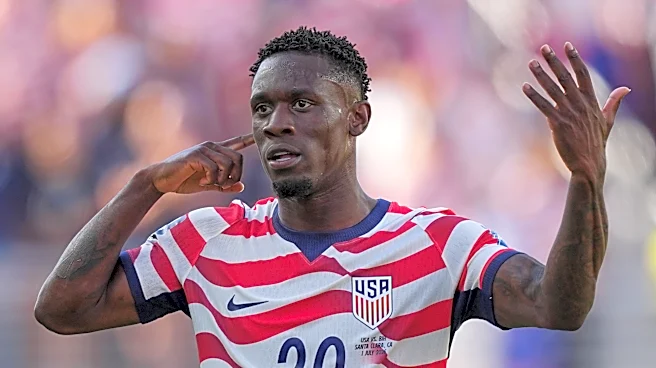
When an athlete pulls on their national team jersey, they are carrying more than just their own ambitions. They represent a country, a culture, and the collective hopes of millions. This is the pressure of identity. A loss doesn't just affect a city's
mood; it can feel like a national disappointment. The stakes are less about money and more about pride and legacy on a global stage. For many athletes, this is the ultimate honor, but it comes with a unique psychological burden: the feeling that you are playing for something much bigger than a team or a contract. Failure can feel like letting down an entire country that sees itself reflected in your performance.
The Pressure of the Paycheck
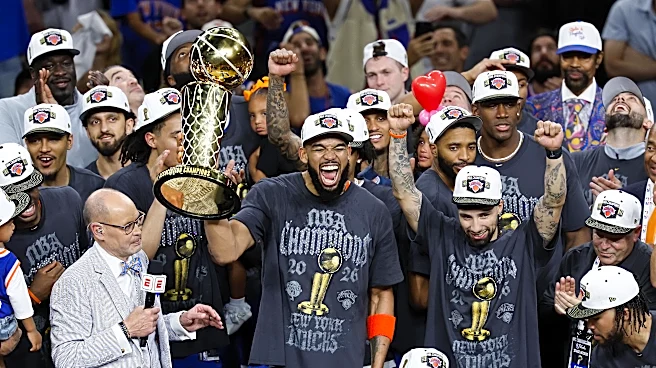
In major U.S. leagues, playoff pressure is intensely commercial and professional. An NBA Finals, Stanley Cup, or Super Bowl performance is directly tied to an athlete's career trajectory, future contracts, and endorsement deals. This is the pressure of livelihood. A championship can secure a player's financial future and elevate their status within the league, while a poor showing can have significant consequences for their career. The organization, from the owner to the general manager, has invested millions into building a winner. That investment creates a different kind of pressure, one rooted in business, results, and the brutal zero-sum reality of professional sports where only one team can win.
A Different Kind of Team Chemistry
Playoff teams are forged over the course of a long season, sometimes over multiple years. Teammates build chemistry through shared struggles, travel, and hundreds of hours of practice. They know each other's tendencies and have a deep, ingrained trust. National teams, by contrast, are often collections of superstars—and rivals—who must come together for a few weeks to compete as a single unit. This creates an entirely different dynamic. The pressure is to gel instantly, to set aside club rivalries and personal history for the sake of the flag. This can be especially challenging in sports like basketball or hockey, where players who battle each other fiercely all year are suddenly expected to be seamless collaborators.
The Scarcity of Opportunity
For professional athletes in the U.S., a disappointing playoff exit is painful, but there is almost always a "next year." The seasons are cyclical, and the opportunity for redemption is an annual one. International competitions like the Olympics or the World Cup are a different story. They happen only once every four years. For many athletes, this means they may only get one or two realistic chances at that ultimate prize in their entire career. That scarcity dramatically magnifies the pressure of each moment. One mistake, one missed penalty, or one bad game can haunt a player for four years—or for the rest of their life. There is no saying "we'll get 'em next season" when the next season is a half-decade away.