



The Myth: A New 'Participation' Tollbooth
The rumor mill of the internet and the dreams of longtime Burners have often fantasized about this very concept. Imagine arriving at the gates of Black Rock City, ticket in hand, only to find it’s just a down payment. The real transaction, the story goes,
happens inside. To earn your stay, you must work a shift at a sound camp, help build an art installation, or serve food to strangers. In this vision, the commodification that plagues so many festivals is defeated by a system where your sweat equity is the only currency that matters. It’s a powerful idea that speaks directly to the event’s founding principles, suggesting a formal crackdown on the so-called “sparkle ponies” and influencers who are perceived as consumers rather than creators. This narrative presents a revolutionary shift, turning the event's most cherished ideal into a hard-and-fast rule.
The Reality: Tickets Still Cost Money (and a Lot of It)
While the idea of a participation-based entry system is compelling, the logistical reality for Burning Man 2026 is much more conventional. Entry to Black Rock City requires a ticket that is purchased with actual money. According to the official Burning Man Project, ticket prices for the 2026 event follow a tiered structure, with the most accessible tickets starting around $575 and going up to $3,000 for higher-priced tiers intended to subsidize the ecosystem. This doesn't include the mandatory vehicle pass, which costs an additional $165. Every single person entering the event must have a valid, pre-purchased ticket. There is no mechanism at the gate or within the city to trade volunteer hours for admission. The organization has indeed introduced new rules for 2026, but they concern safety measures like a ban on handheld lasers and restrictions on certain types of electric scooters, not a fundamental change to the economic model of entry.
The Spirit of the Law: Why Participation Feels Like Currency
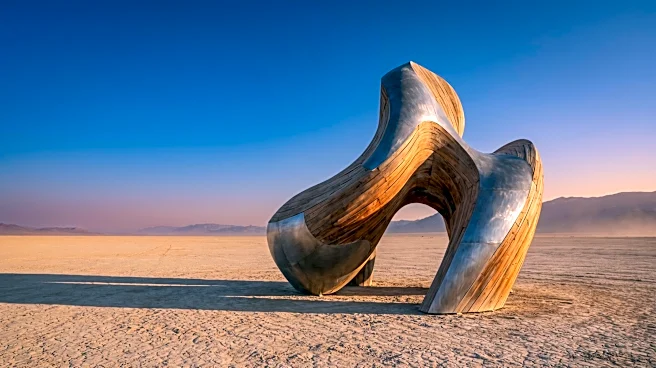
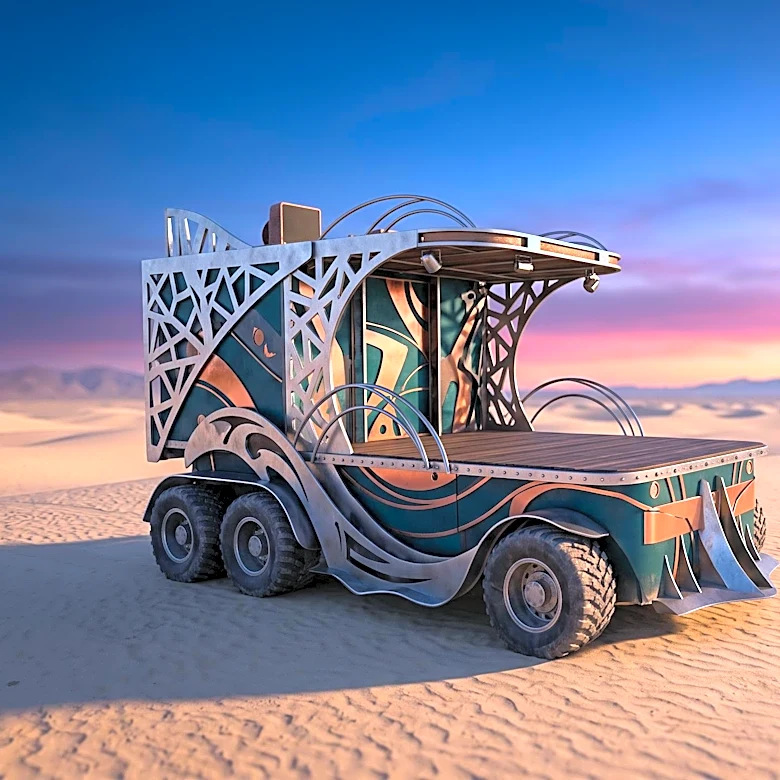
So, if the headline isn't literally true, why does it feel like it should be? Because it perfectly captures the event's cultural soul. Burning Man operates on ten core principles, and two of them—Participation and Communal Effort—form the bedrock of the entire experience. The official survival guide states it clearly: “Every person who inhabits this city helps build it; there are no spectators.” This isn't just a friendly suggestion; it is the fundamental social contract. The massive art pieces, the bewildering mutant vehicles, the theme camps offering everything from grilled cheese to existential advice—none of it is provided by the organization. It is all created and gifted by the participants. In this context, your ticket gets you through the gate, but your participation is what grants you access to the community and the true essence of the event.
The Unwritten Rules of Belonging
While you can technically attend Burning Man, find a spot in open camping, and keep to yourself, doing so means missing the point entirely. The social currency of the playa is not wealth or status from the “default world,” but what you contribute to the collective experience. Are you building something? Are you volunteering? Are you helping your neighbors? Theme camps, which are the interactive heart of the city, are granted placement based on criteria like interactivity, visual impact, and adherence to the community ethos. Failing to be a good citizen can result in a camp losing its placement in future years. This creates a powerful social incentive to contribute. Being a passive observer is culturally frowned upon. Therefore, the 'price' of social admission—of truly belonging and not just attending—is your active engagement. It's an unwritten rule, but it's enforced by the entire community.