




1. Apply It Before You Get Greasy
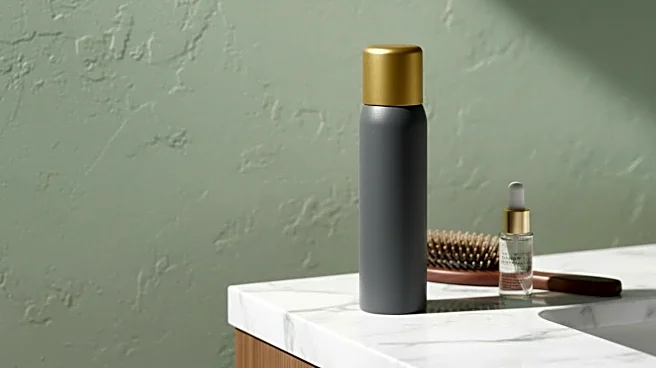
Think of dry shampoo as a preventative measure. The best time to apply it is before your hair gets oily, not after. Spritzing it on clean, dry hair—or even before bed the night before you expect oiliness—allows the product to absorb excess sebum as it’s
produced.
2. Use It Before Your Workout
To get ahead of post-gym grease, apply dry shampoo to your roots before you start exercising. The powder will help absorb sweat and oil as they emerge, keeping your scalp and hair drier from the start.
3. Hold the Can at a Distance
Spraying too close is a common mistake that creates a concentrated, chalky mess. Hold the can at least 6 to 10 inches away from your scalp for an even, light mist that's easier to blend.
4. Section Your Hair for Precision
Don’t just spray the top layer of your hair. Part your hair into small sections and apply the dry shampoo directly to the roots where oil accumulates most, like your crown, hairline, and nape.
5. Let the Product Sit
Patience is key. After spraying, wait at least 30 seconds to a few minutes before touching your hair. This gives the starches in the formula time to work their magic and absorb the maximum amount of oil.
6. Massage, Don’t Just Brush
Once the product has had time to absorb, use your fingertips to massage it into your scalp. This helps distribute the powder, break up any visible residue, and boost volume at the roots.
7. Finish with a Brush or Blow Dryer
After massaging, brush through your hair to remove any remaining excess powder, which now contains the absorbed oil. For a truly invisible finish, you can use a blow dryer on a cool setting to help distribute the product and add lift.
8. Don't Overuse It
Dry shampoo is a temporary fix, not a replacement for washing. Using it too many days in a row can lead to scalp buildup, irritation, and clogged follicles. Limit use to one to three times a week.
9. Shampoo and Condition Properly
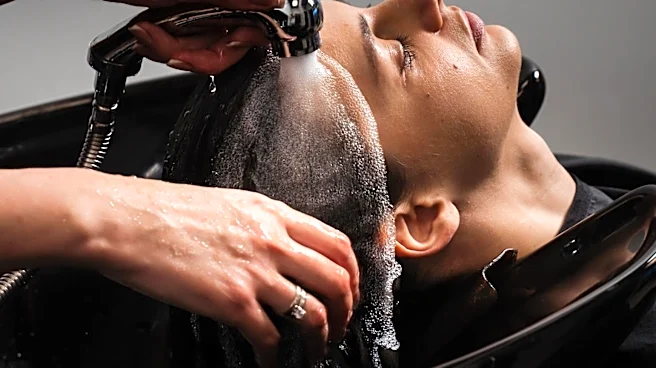
When you do wash, focus shampoo on your scalp to remove oil and buildup. Apply conditioner primarily to the ends of your hair to avoid weighing down your roots and making them greasy faster.
10. Don’t Touch Your Hair
Constantly touching, brushing, or playing with your hair transfers oils from your hands and stimulates the sebaceous glands on your scalp, leading to more grease.
11. Choose the Right Formula
Not all dry shampoos are created equal. If you have dark hair, look for tinted formulas to avoid a white cast. For fine hair, a lightweight volumizing formula is ideal.
12. Exfoliate Your Scalp Weekly
Just like your face, your scalp can benefit from exfoliation. A weekly scalp scrub or clarifying shampoo helps remove dead skin cells and product buildup that can contribute to oiliness and clogged follicles.
13. Protect Hair During Workouts
Beyond dry shampoo, wearing a sweat-wicking headband can absorb moisture at the hairline. Also, consider tying hair up loosely with a claw clip or fabric tie instead of a tight elastic, which can trap oil and cause breakage.
14. Let Your Hair Air Dry When Possible
Frequent heat styling can sometimes signal your scalp to produce more oil to rehydrate. Letting your hair air dry can help stretch the time between washes and reduce reliance on products.
15. Rinse with Lukewarm Water
Hot water can strip the scalp of its natural oils, sometimes causing it to overcompensate by producing even more. Wash and rinse your hair with lukewarm water, and consider a cool rinse at the end to help close hair cuticles.
16. Clean Your Hairbrush Regularly
A dirty brush is full of old product, dust, and oil. Using it on clean hair will only make it dirty again. Wash your brush with a gentle soap or clarifying shampoo to keep it free of gunk.
17. Apply a Pre-Workout Barrier
For extra protection against sweat, some experts recommend applying a lightweight leave-in conditioner or hair oil before exercising. This creates a barrier that can help shield strands from the drying effects of salt in your sweat.
18. Focus on Roots, Not Ends
When applying dry shampoo or any oil-control product, concentrate on the first few inches of hair at the scalp. The ends of your hair are typically drier and don't need the oil-absorbing action.