




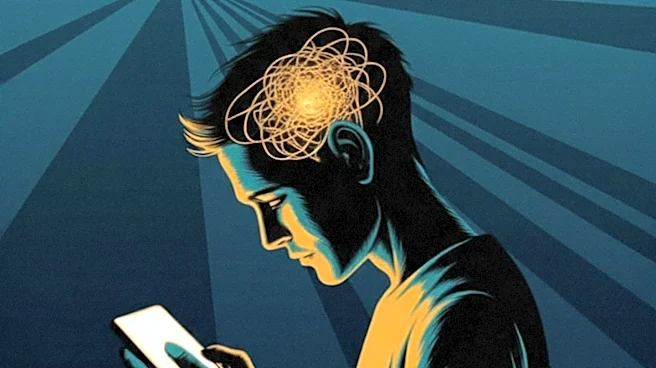

The Brain's Chemical Cocktail
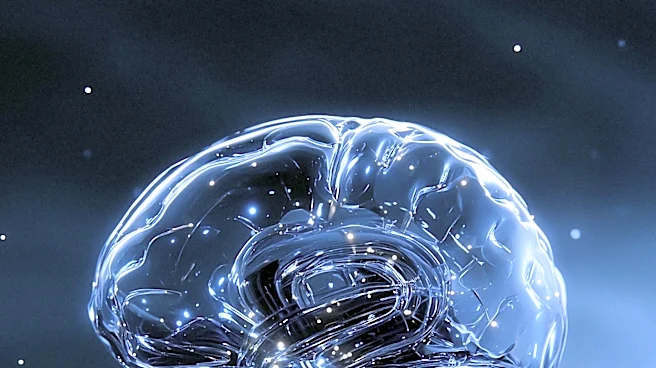
When we feel fear, our brain’s alarm system, the amygdala, triggers the release of hormones like adrenaline and cortisol. This is the 'fight-or-flight' response that gets our heart racing and muscles tensing. For some people, this experience is followed
by a rush of dopamine and endorphins, neurotransmitters associated with pleasure and reward. They experience the fear in a safe context, like a horror movie, and their brain rewards them for 'surviving' the threat, creating a sense of euphoria. For others, the brain doesn’t produce the same rewarding dopamine rush. Instead, they just get the stress and anxiety from the adrenaline, making the experience purely unpleasant. This difference in brain chemistry is a major reason why one person’s thrill ride is another person’s nightmare.
It's All in Your Personality
Personality plays a significant role in our appetite for fear. Psychologists often point to a trait known as 'sensation-seeking', which is the drive to pursue new, intense, and complex experiences. People high in this trait are more likely to enjoy everything from roller coasters to haunted houses. They aren’t necessarily fearless; they simply interpret the physical arousal of fear as excitement rather than a threat. Conversely, those who are naturally more cautious or have a harder time screening out unwanted stimuli may find scary situations overwhelming and genuinely distressing.
The Ghost of Halloweens Past
Our past experiences profoundly shape our relationship with fear. If your childhood memories of Halloween involve fun, safe scares with family and friends, you may have learned to associate fright with positive feelings. However, if you had a genuinely traumatic experience—whether related to Halloween or not—your brain can form a powerful connection between a stimulus and a danger response, a process called fear conditioning. This can make you more sensitive to scary things as an adult because your brain is wired to protect you from repeating that trauma. Fears can also be learned by observing the reactions of others, especially parents, during childhood.
The Importance of Feeling Safe
A crucial element that separates fun fear from real terror is the feeling of control and safety. We can enjoy a haunted house because, on some level, our 'thinking brain' knows the actors won't actually harm us. This is often called recreational fear. The moment that sense of safety disappears, the fun evaporates. People have different thresholds for what feels 'safe'. For some, any level of gore or sudden jump scare can feel like a genuine threat, crossing the line from entertainment into distress. For others, the more extreme the experience, the more they can test their own boundaries while still feeling fundamentally secure.
It Changes With Age
Fear isn't static; it evolves as we grow. Young children, whose brains are still developing, have a harder time distinguishing fantasy from reality. A monster under the bed is a very real possibility to a five-year old. As they get older, they learn to separate the real from the fictional, and their fears often become more abstract and social, like worries about school or friendships. Studies show children can also exhibit greater fear generalization, meaning a scary experience in one context is more likely to make them fearful in other, unrelated situations. This is why a level of scariness that's thrilling for a teenager can be genuinely harmful for a younger child.