

The Allure of the Vertical Line
Unlike a traditional necklace that forms a closed circle, a lariat is fundamentally different. It’s an open-ended design, often featuring a long chain that loops, knots, or passes through a decorative element, creating a distinctive Y-shape. This creates
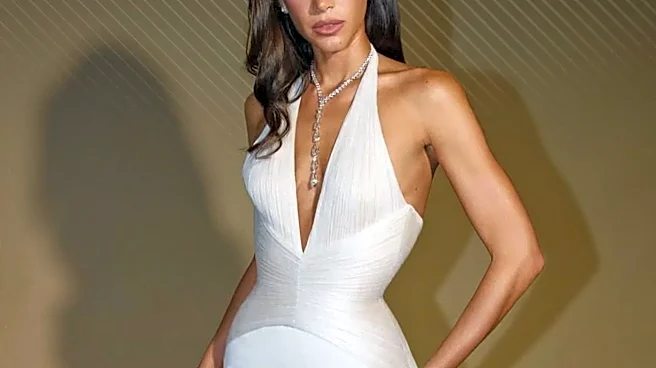
a vertical line that naturally elongates the torso, a subtle and flattering effect that few other jewelry styles can replicate so effortlessly. Its fluid, clasp-free nature symbolizes freedom and adaptability; it can be worn tight or loose, with the drop positioned high or low, making it a uniquely personal piece of jewelry. This inherent versatility is the lariat's secret weapon, allowing it to adapt to any neckline, from a simple t-shirt to a plunging evening gown.
From Cowboy Culture to High Fashion
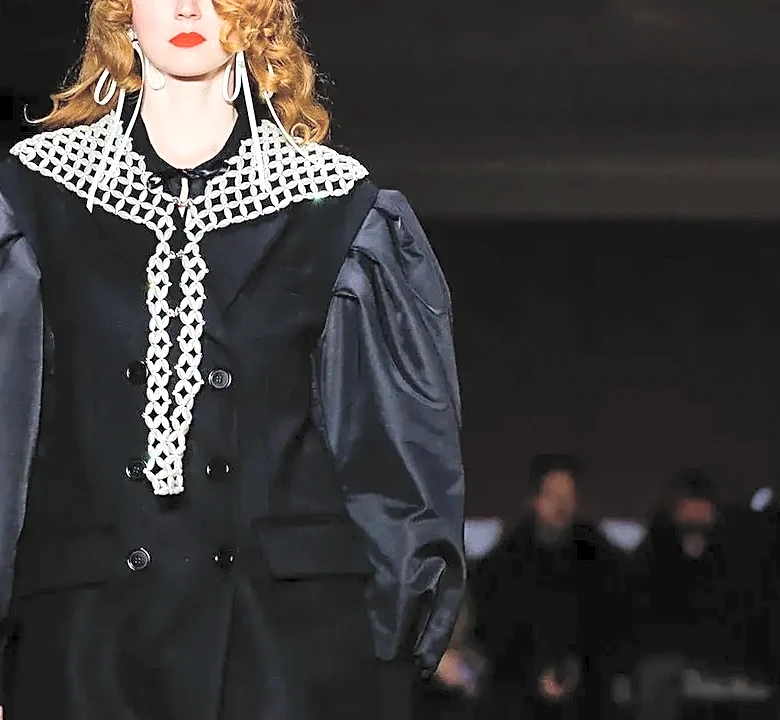
The lariat's name comes from “la reata,” the Spanish word for the rope used as a lasso by cowboys in the American West. Its most direct ancestor is the bolo tie, a cord secured with a decorative slide that became a staple of Southwestern style. But the lariat's journey into women's fashion began in the late Victorian and Edwardian eras, when long ropes of beads or pearls were looped and knotted at the front. The style truly flourished in the 1920s, when the long, swinging silhouettes of flapper dresses found their perfect match in deco-inspired lariats made of pearls and platinum, sometimes draped elegantly down the back. After a dip in popularity mid-century, the style was revived during the bohemian movement of the 1970s, which favored its free-flowing aesthetic.
The 90s and Y2K Revival
For many, the quintessential lariat is the delicate, minimalist version that defined the late 1990s and early 2000s. It was the must-have accessory, often seen in sterling silver or simple gold, gracing the necks of pop stars and red-carpet celebrities. Its clean lines were the perfect complement to the era's spaghetti-strap tops, V-neck sweaters, and slip dresses. This was the lariat in its most accessible form—a subtle, sexy piece that felt both modern and timeless. Today's renewed interest in Y2K aesthetics has helped bring this specific iteration back into focus, reminding a new generation of its simple, understated appeal.
The Modern Minimalist Staple
In 2026, the lariat necklace is more relevant than ever, fitting seamlessly into contemporary style conversations. Modern designs often feature a secure clasp at the back while preserving the signature Y-shaped drop in the front. It has become a key piece for the popular layered look, providing a vertical focal point that cuts through the horizontal lines of shorter chains and chokers. In an era of "quiet luxury" and personal expression, the lariat thrives. It can be a simple gold chain for everyday wear or a dramatic, diamond-tipped statement for a special occasion. Its ability to be both a subtle accent and a centerpiece makes it a hardworking component of any jewelry collection.