
The Scoring Is Different (And That’s the Point)
In basketball, scoring is constant; a 130-125 game is a thriller. In soccer, goals are rare, precious, and explosive. A 1-0 match isn't boring—it's a defensive grind, the soccer equivalent of a classic
'90s Knicks-Heat playoff game where every possession is a battle. Think of a soccer goal not as a single basket, but as the equivalent of a 10-0 run that completely shifts the game's momentum. The tension doesn't come from a constantly changing score, but from the unbearable pressure building toward one singular, game-altering moment. Each near-miss, each great save, is like a shot rattling in and out. When the goal finally comes, it’s a release of 90 minutes of pent-up energy, as cathartic and decisive as a game-winning buzzer-beater.
Find the Team’s ‘Point Guard’
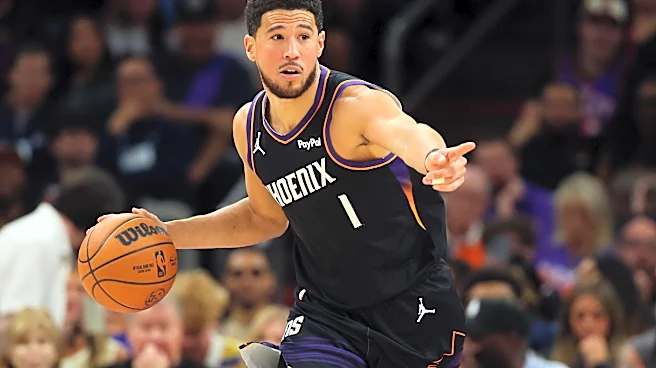
Wondering who runs the show? Stop watching the ball and find the central midfielder. This player is the team’s point guard, the floor general who dictates the pace and initiates the offense. They aren't always the one scoring, just like Chris Paul or Nikola Jokić aren’t always leading in points. Instead, their genius is in their vision, their passing, and their ability to control the rhythm of the game. They see plays develop three steps ahead, playing perfectly weighted through-balls that are the equivalent of a no-look pass for an easy layup. If a team looks lost and disconnected, it's often because their midfield ‘point guard’ is being shut down. To understand the team’s strategy, watch how this player moves, distributes, and creates.
The Marathon vs. The Sprint
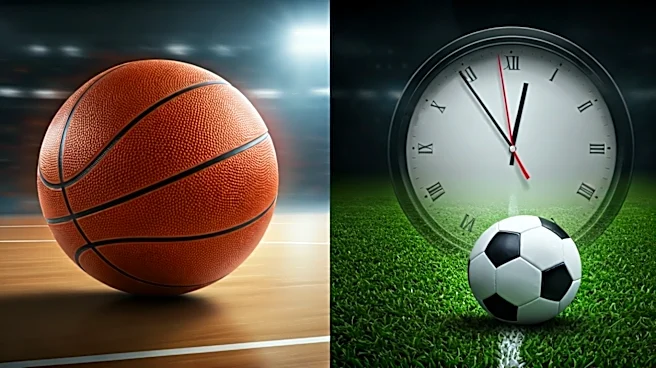
An NBA game is a series of explosive sprints punctuated by timeouts, fouls, and quarter breaks. It’s designed for dramatic, high-leverage moments, especially in the final two minutes. A soccer match is a 90-minute marathon with one half-time break. The flow is continuous, and stamina—both physical and mental—is paramount. There are no timeouts for a coach to call a play. Adjustments have to be made on the fly, through player communication. The drama is a slow burn. A team might patiently pass the ball around its own half for minutes, lulling the opponent into a false sense of security before launching a sudden, lethal attack. It's less like a back-and-forth scoring duel and more like a strategic chess match where controlling territory and tiring out your opponent is the name of the game.
‘Stoppage Time’ Is Soccer’s Final Two Minutes
The final two minutes of a close NBA game are pure, structured chaos: timeouts, intentional fouls, and clock management. Soccer’s equivalent is “stoppage time” (or “injury time”), a handful of minutes added by the referee at the end of each half to account for delays. But here’s the terrifying, beautiful catch: nobody knows exactly when it will end. The referee’s watch is the only one that matters. This period is utter desperation. The trailing team throws everyone forward in a frantic search for a goal, leaving themselves vulnerable to a counter-attack. It has all the frantic energy of the end of a basketball game but with a layer of maddening uncertainty. It’s a nail-biting, heart-pounding mess, and it’s where legends and heartbreaks are born.
Appreciating Elite Defense
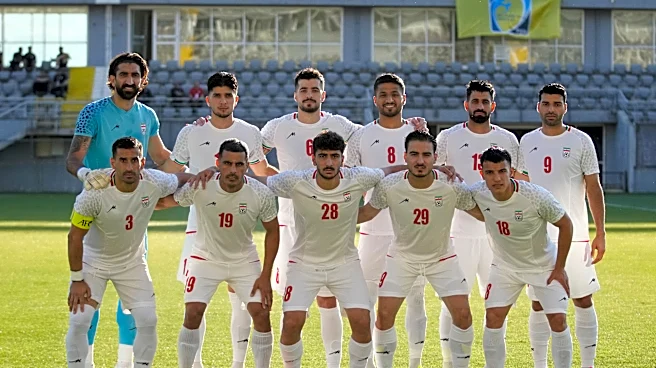
In basketball, we appreciate a great shot-blocker or a lockdown perimeter defender. In soccer, that same appreciation should be directed at the center-backs. These are the anchors of the defense, the equivalent of a paint-protecting big man like Rudy Gobert or a brilliant help defender. They read the game, organize the back line, and make goal-saving tackles that are just as important as the goals themselves. They also deploy a key strategic weapon: the offside trap. In simple terms, it's a coordinated move by the defensive line to quickly push forward, catching an attacker in an illegal position. Think of it as a perfectly timed full-court press or a complex zone defense designed to disrupt the offense and force a turnover. A great defense doesn't just react; it anticipates and dictates.