

The Handbook That Wrote the Rules
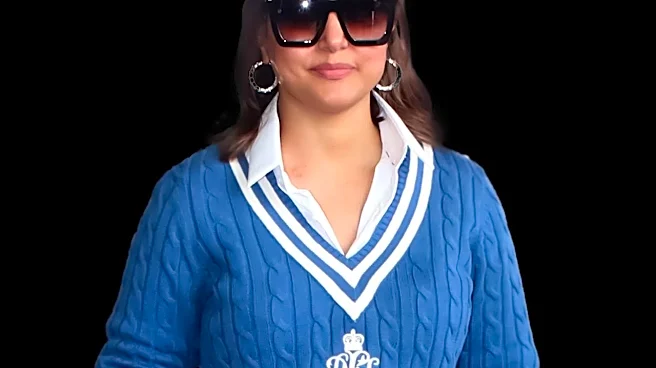
You can’t talk about the '80s preppy boom without mentioning its bible: The Official Preppy Handbook. Published in 1980, this tongue-in-cheek guide satirized and codified the look of the East Coast elite for a mass audience. Before the book, prep style
was an insular world of old money and boarding schools. The handbook blew the gates open, turning a lived-in culture into a reproducible checklist for anyone with a sense of humor. When it came to hair, the original prep ideal was one of studied carelessness. It was hair that looked good without trying too hard—clean, classic, and naturally sun-kissed from summers in Nantucket. The goal was to look like you had better things to do than fuss over your appearance. This laid-back foundation was the launching pad for the bigger, bolder styles that would soon define the decade.
From the Country Club to Wall Street
As the decade roared on, the relaxed, old-money aesthetic of the handbook was co-opted by a new force: the yuppie. Young Urban Professionals, fueled by the economic optimism of the Reagan era, adopted preppy staples as a uniform for success. The look became less about inherited status and more about ambitious, conspicuous consumption. This is where the hair got bigger. For men, it meant a shift toward clean-cut, slicked-back, and often voluminous styles that projected authority. For women, power dressing with sharp, shoulder-padded suits demanded a hairstyle to match. Volume and structure became paramount, moving away from the soft, natural look of classic prep and toward a more polished, assertive silhouette that said you belonged in the boardroom. Hair became another way to signal ambition.
The Royal Influence Across the Pond
No single figure had a bigger impact on 80s hair than Princess Diana. When Lady Diana Spencer stepped into the global spotlight, her soft, feathered haircut became the most requested style of the era. It was a look that felt both aspirational and accessible, blending upper-class British sensibility with a modern, youthful softness. Her signature cut, a feathered shag with side-swept bangs, was copied by millions. Throughout the decade, as her role and confidence evolved, so did her hair, becoming shorter, sharper, and more voluminous to complement the power suits she began to favor. Diana's hair wasn't just a trend; it was a cultural phenomenon that represented a new kind of modern elegance, and every subtle change was front-page news. Her hairstylists noted that any major cut had to be done incrementally, sometimes over weeks, to avoid causing a public frenzy.
Hollywood's Preppy Archetypes
While Diana represented real-life royalty, Hollywood was busy creating its own preppy pantheon. The films of John Hughes and the rise of the "Brat Pack" cemented the preppy look in the teenage imagination. Movies like The Breakfast Club, St. Elmo's Fire, and Pretty in Pink presented a catalog of preppy archetypes. Think of Andrew McCarthy's perfectly coiffed, side-parted hair or Molly Ringwald’s softer, bobbed styles. These weren't just characters; they were style templates. The influence of pop culture, particularly through music and the rise of MTV, further amplified these trends. Stars like Madonna and Whitney Houston, while not strictly preppy, popularized the era's love for volume, curls, and sculpted shapes, contributing to the overall "bigger is better" ethos. Their looks filtered into high school hallways, making dramatic hair a key part of youthful self-expression.