
The Desert's Unforgiving Nature
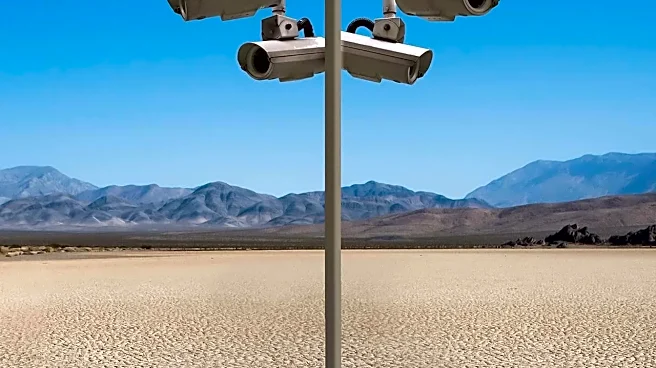
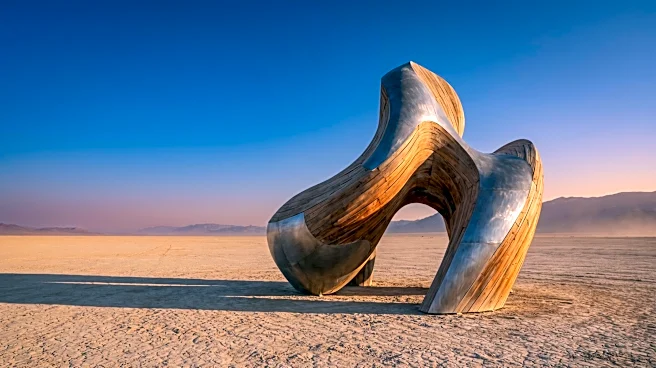
Black Rock City is built in one of the world's most inhospitable landscapes. The dry lakebed, or playa, is prone to volatile extremes: scorching daytime heat can give way to near-freezing nights, and sudden,
violent winds can whip up dust storms with zero visibility. While dust is the expected challenge, torrential rain is the true wild card. The clay-like playa surface, when saturated, transforms into a thick, sticky, and impassable mud that can trap vehicles and people, effectively shutting down all transportation. Organizers know this, and while they conduct drills for such events, the official website warns attendees that ultimate responsibility for survival falls on them. This is not a bug; it is a core feature of the event's ethos.
When the Official Plan Collapses
In 2023, this worst-case scenario became reality. A rare storm system dumped months' worth of rain in a day, stranding tens of thousands of participants. The gates were officially closed, all vehicle traffic was banned to prevent further damage to the playa surface, and attendees were instructed to shelter in place, conserve food, and wait. Official communication was limited to a low-power radio station and updates relayed through staff at central hubs. In these moments, the top-down, organized festival structure dissolves. The carefully planned grid of streets, the art schedule, and the planned 'burn' of the iconic Man structure become secondary to the immediate, raw needs of a city under siege by the elements.
Radical Self-Reliance Takes Over
This is where Burning Man’s foundational principles pivot from theory to practice. The concept of "Radical Self-Reliance" dictates that every citizen arrives with enough food, water, and shelter to survive. When the weather hits, this principle is the first line of defense, preventing mass panic. But it quickly evolves into what some call "Radical Interdependence." Camps and individuals with extra resources—food, dry shelter, medical knowledge—begin to share. People check on their neighbors. Strangers work together to secure flapping structures or dig trenches. The gifting economy, normally focused on art and trinkets, transforms into a network of mutual aid. It's not about being a lone survivor; it's about being prepared enough to help others when the community needs it most.
The Art Finds a Way
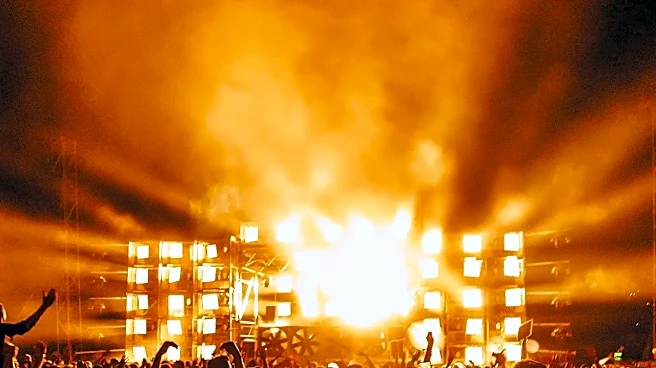
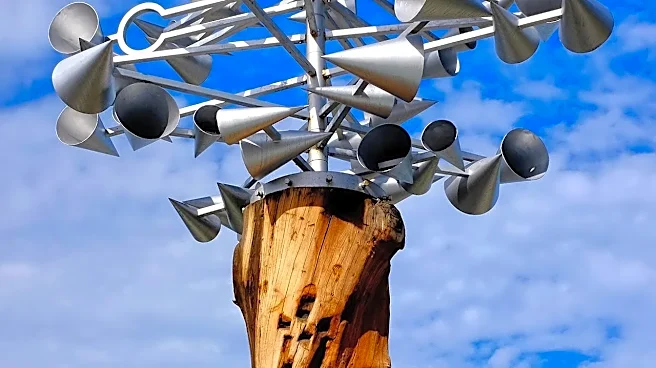
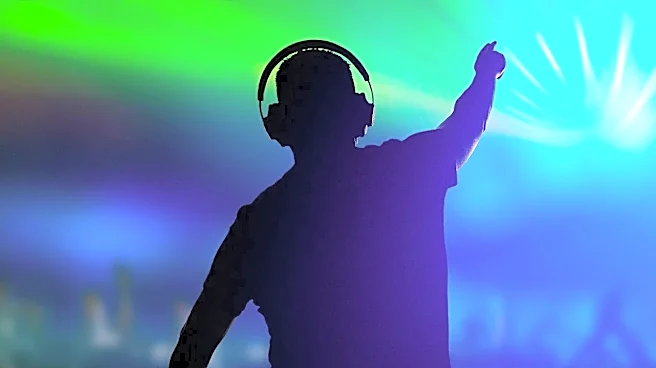
But what about the 'show'? The art is the soul of Burning Man, and even in a crisis, that creative spirit proves incredibly resilient. While some large installations are damaged or destroyed by high winds or become inaccessible due to mud, the creators pivot. A planned DJ set might become an acoustic jam session inside a sheltered dome. A canceled performance art piece is replaced by the spontaneous, collective art of navigating a mud-caked world. Participants craft makeshift mud boots from plastic bags and duct tape. The shared hardship itself becomes a form of participatory art, a communal experience that is messy, challenging, and for many, more profound than the scheduled programming ever could be. The art doesn't stop; it adapts, reflecting the immediate, surreal environment.