
The Special Heard 'Round the World
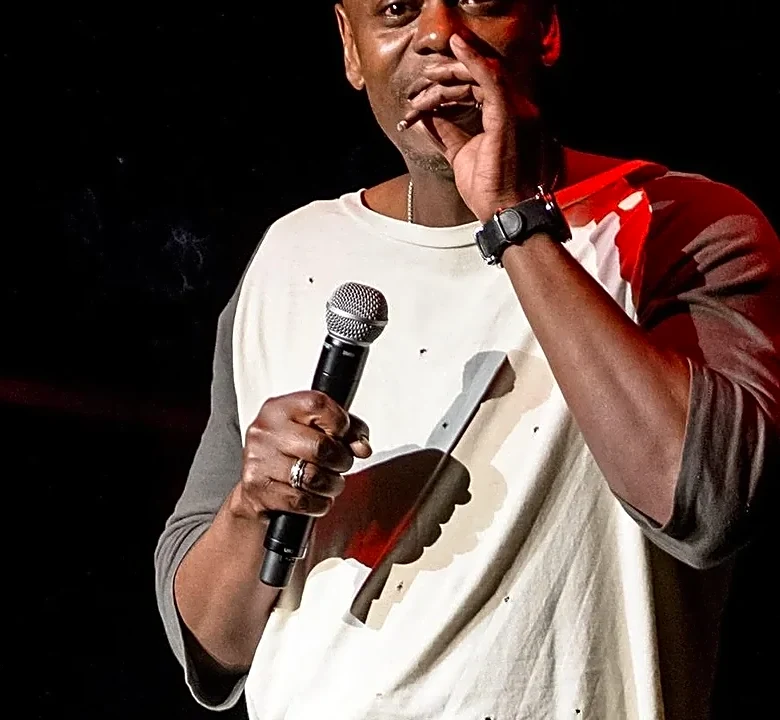
Released in October 2021, “The Closer” was billed as the final installment in a series of lucrative specials for Netflix. In it, Chappelle spent a significant portion of his set discussing his contentious relationship with the LGBTQ+ community, particularly
transgender people. He declared himself "team TERF" (trans-exclusionary radical feminist), defended author J.K. Rowling, and used graphic language while joking about trans bodies. For Chappelle, the special was meant to be the end of the topic. He concluded with a poignant but controversial story about his late friend, a transgender comedian named Daphne Dorman, framing his jokes as a misunderstanding and an attempt to close a painful chapter. But for many viewers, the special wasn't an ending; it was an attack.
The Firestorm: Netflix, Walkouts, and a Line in the Sand
The backlash was immediate and intense. LGBTQ+ advocacy groups like GLAAD and the National Black Justice Coalition condemned the special, arguing that Chappelle's rhetoric was dangerous and incited hatred. The controversy quickly spread within Netflix itself. A transgender employee, Terra Field, posted a viral Twitter thread detailing the harm she felt the special caused, and she and two other employees were later suspended for attending a director-level meeting to protest. This culminated in a company-wide virtual walkout. In the face of both internal and external pressure, Netflix co-CEO Ted Sarandos stood firm. In internal memos, he defended the special on the grounds of creative freedom and its popularity, stating that it wouldn't be removed from the platform. This response was a defining moment, signaling that the streaming giant was willing to weather a significant public relations crisis—and alienate some of its own employees—to back its star talent.
A New Playbook for Controversy
In past eras, a controversy of this magnitude might have led to a public apology or a quiet period. Chappelle chose a different path. He didn't back down. Instead, he framed the backlash as an attempt to cancel him by "corporate interests" and not the LGBTQ+ community itself, a claim he made in a subsequent stand-up clip. He received standing ovations at sold-out shows and dismissed the criticism as online noise that didn't reflect "real life." This strategy proved remarkably effective. Not only did Chappelle retain his massive audience, but he also became a central figure in the culture war over free speech and "woke" culture. Instead of being canceled, he was rewarded; Netflix has since released more of his specials. This created a new playbook for navigating controversy: don't apologize, double down, and rally your base by positioning yourself as a victim of censorship.
The Chappelle Effect: Did Comedy Really Change?
So, did “The Closer” truly reshape American comedy? The answer is more complicated than a simple yes or no. It didn't change the fundamental structure of a joke, but it profoundly altered the landscape. The special accelerated a cultural sorting. For comedians who felt stifled by political correctness, Chappelle became a standard-bearer, emboldening them to tackle sensitive subjects more aggressively. For others, his approach served as a cautionary tale about the potential harm of punching down. The incident also forced streaming services, the new patrons of stand-up, to make their values explicit. Netflix chose to prioritize a specific vision of creative freedom, a decision that has had a lasting impact on its brand and talent relationships. It made the political and cultural alignment of a comedian more central to their identity than ever before, turning comedy specials into front-line dispatches from the culture wars.