



Myth: A High SPF Means You Apply It Once
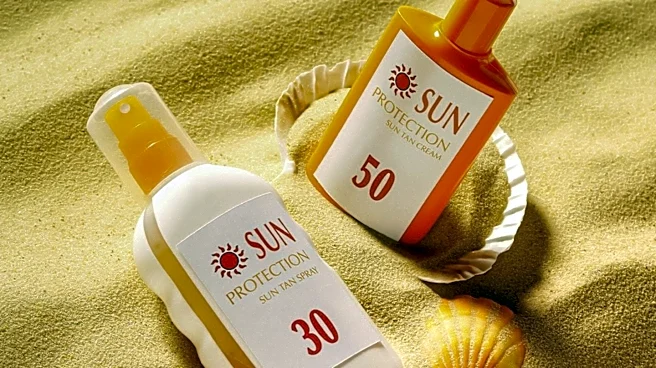
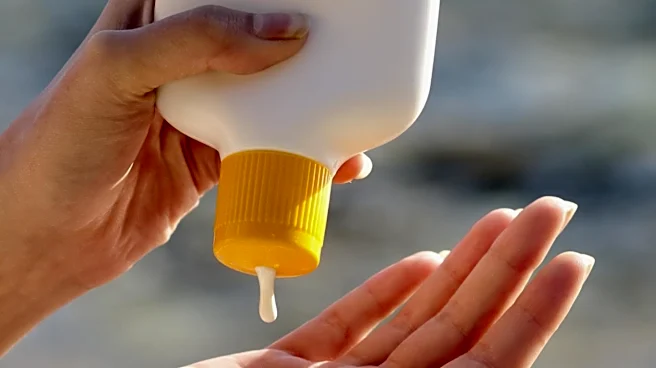
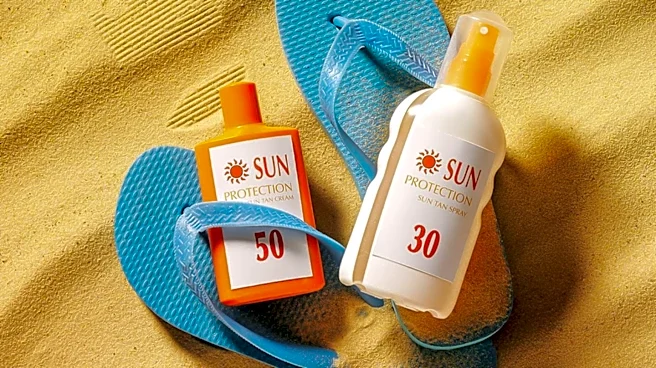
It’s a tempting thought: apply a thick layer of SPF 100 in the morning and you’re set for a full day in the sun. Unfortunately, this is one of the most dangerous summer skin myths. The SPF number primarily indicates protection against UVB rays—the kind
that cause sunburn. It does not, however, mean it lasts longer. Dermatologists are clear that all sunscreens, regardless of SPF level, need to be reapplied at least every two hours, and more frequently if you're swimming or sweating. The protective ingredients break down with exposure to UV light. A higher SPF provides a greater percentage of blocked rays at a given moment, but it doesn't extend the time between applications. For full protection, you also need a "broad-spectrum" formula, which defends against UVA rays—the primary drivers of skin aging and cancer.
Myth: Oily Summer Skin Doesn't Need Moisturizer
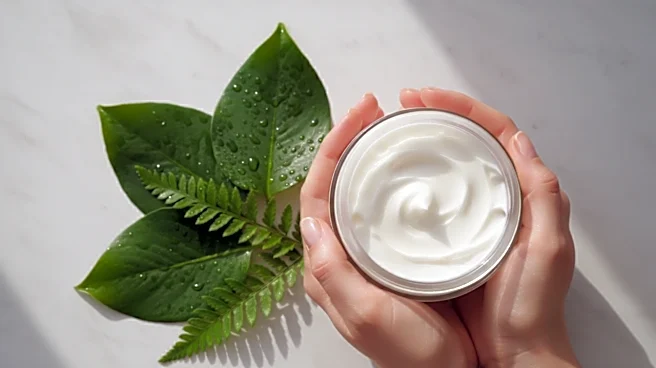
When humidity makes your skin feel slick and greasy, adding a layer of moisturizer can seem counterintuitive. But skipping it is a mistake. Heat, sun, chlorine, and even air conditioning can strip your skin of moisture, leaving it dehydrated. When your skin becomes dehydrated, it often overcompensates by producing even more oil, which can lead to clogged pores and breakouts. The solution isn't to skip this step, but to switch your product. Trade your heavy winter cream for a lightweight, oil-free, or gel-based moisturizer. These formulas provide necessary hydration without feeling heavy or greasy, helping to balance oil production and keep your skin barrier healthy.
Myth: A 'Base Tan' Is a Safe Way to Start Summer
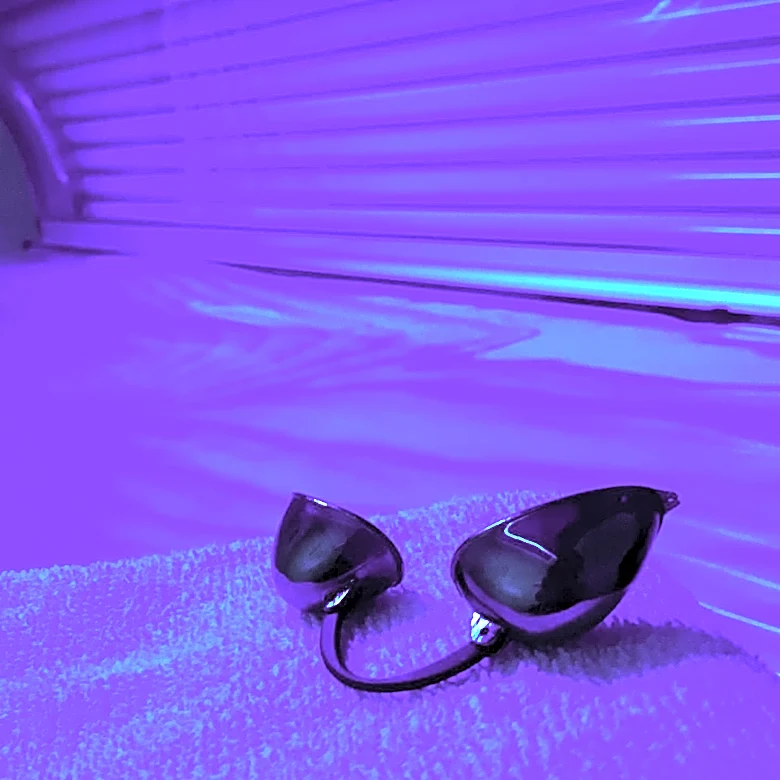
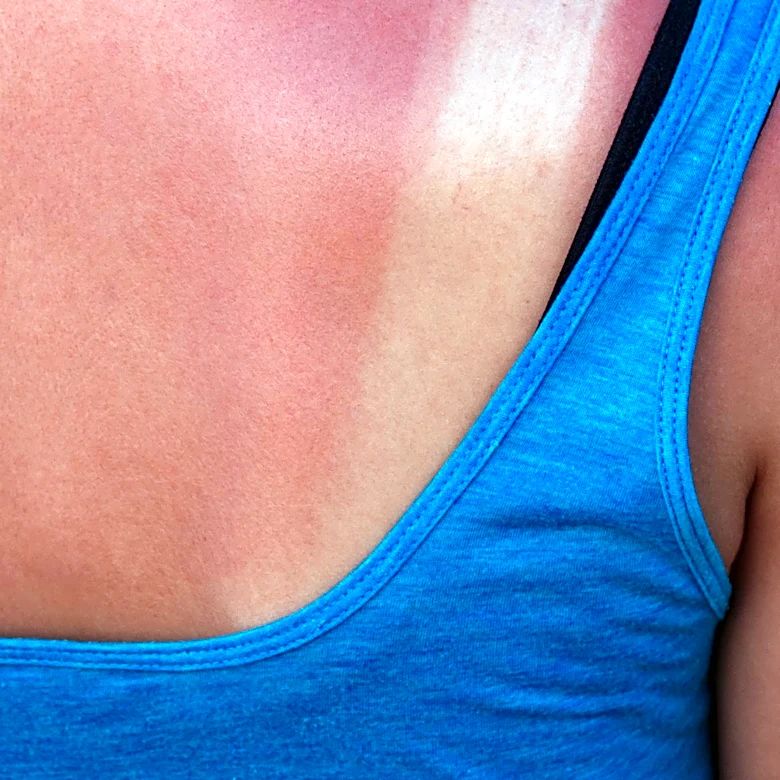
For decades, people have sought a "base tan" with the belief that it offers a safe foundation of protection against future, more severe sunburns. This is fundamentally untrue. Any tan, whether from the sun or a tanning bed, is a visible sign of DNA damage to your skin cells. When skin is exposed to UV radiation, it produces more melanin (pigment) as a defense mechanism, but the damage is already done. Experts estimate that a base tan provides an SPF of only 3 or 4, which is far below the recommended minimum of SPF 30. Relying on a base tan for protection creates a false sense of security, often leading to more prolonged and damaging sun exposure. The only safe tan is a sunless one from a bottle or a spray.
Myth: Sunscreen Is Only for a 'Sun Day'
Many people reserve sunscreen for deliberate sunbathing, like a day at the beach or pool. But most of our sun damage comes from incidental, cumulative exposure—the kind you get driving, walking to the office, or sitting near a window. UVA rays, which are responsible for aging and contribute to skin cancer, can penetrate both clouds and glass. In fact, up to 80% of UV rays can pass through cloud cover. This means that even on overcast days, your skin is vulnerable. Making a broad-spectrum sunscreen with at least SPF 30 a non-negotiable part of your daily morning routine, rain or shine, is one of the most effective anti-aging and health-promoting habits you can adopt.
Myth: Sunscreen Is the Only Tool You Need
Sunscreen is a critical component of sun safety, but it shouldn't be your only line of defense. No sunscreen can block 100% of UV rays. A comprehensive approach provides far more effective protection. This includes seeking shade during peak sun hours (typically 10 a.m. to 4 p.m.), wearing protective clothing like long-sleeved shirts, and donning a wide-brimmed hat. Don't forget sunglasses to protect your eyes and the delicate skin around them. Areas like the lips, ears, and tops of the feet are also commonly missed during sunscreen application and are highly susceptible to burns. Thinking of sun safety as a multi-layered system, rather than a single product, is the key to truly protecting your skin.