





Every Outfit Has a Thesis Statement
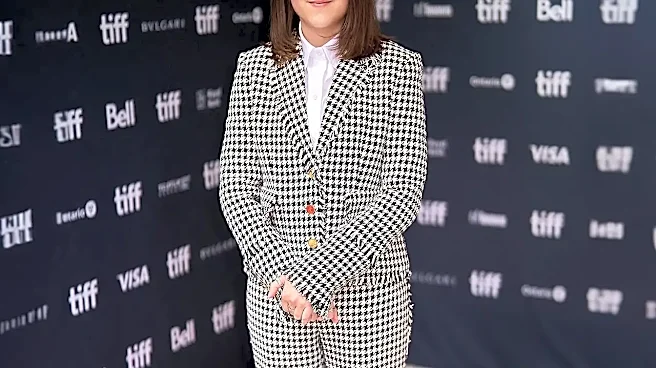
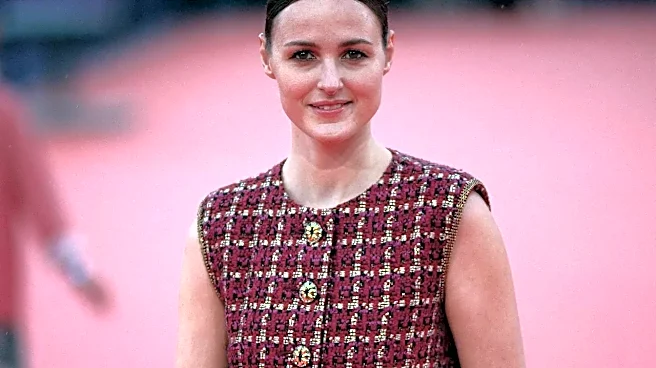
Think of a truly great red carpet gown as a thesis statement. It has one strong, clear, compelling idea. It might be an architectural silhouette, a cascade of intricate beadwork, a bold color, or a minimalist slip dress that speaks in whispers. This central
piece is the star of the show. Everything else—jewelry, shoes, a clutch, even hair and makeup—is a supporting character. Their job is to enhance the main idea, not to introduce a dozen new ones. When accessories compete for attention, they create visual chaos. Instead of a cohesive story, you get a collection of beautiful but disconnected sentences, leaving the viewer confused about where to look.
Supporting Characters vs. Scene Stealers
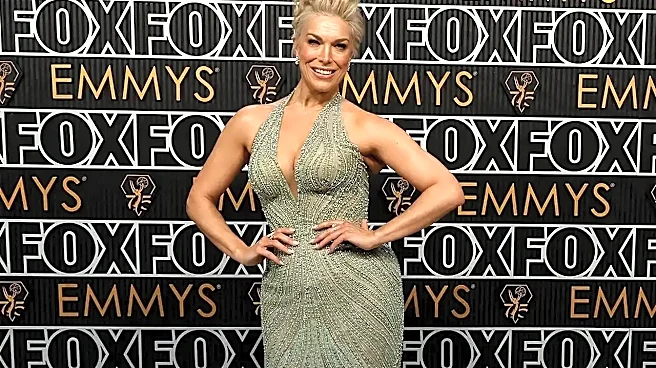
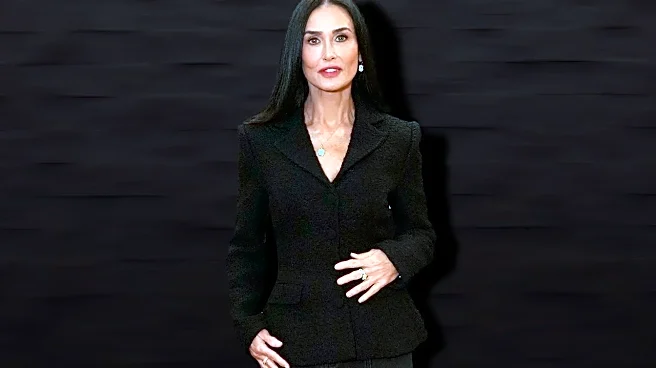
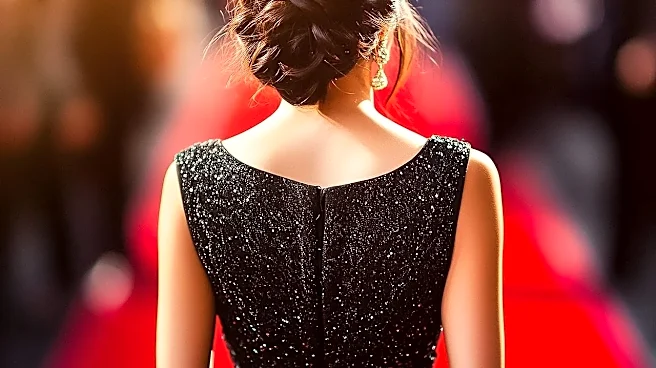
A well-chosen accessory complements the main garment. It respects the neckline—a V-neck dress, for example, is beautifully framed by a pendant, while a high neckline often calls for skipping a necklace in favor of statement earrings. If a gown is heavily embellished, accessories should be minimal to let the dress shine. This is balance. A scene-stealing accessory, on the other hand, fights with the main garment. Imagine a heavily sequined gown paired with a large, ornate necklace and chandelier earrings. The eye doesn't know where to land. The sparkle of the dress is diminished by the sparkle of the jewelry. The goal is harmony, not a battle of the baubles. A good rule of thumb is to choose one focal point. If you opt for a dramatic necklace, keep earrings and bracelets subtle. If the dress itself is the statement, perhaps all you need is a simple cuff or elegant clutch.
The Stylist’s Secret Weapon: The Edit
There's a reason the famous Coco Chanel quote, "Before you leave the house, look in the mirror and take one thing off," has endured for decades. It’s not about embracing strict minimalism, but about the power of refinement. Top celebrity stylists live by this rule, often removing an accessory right before their client steps onto the carpet. This final edit ensures the look is confident and intentional, not cluttered. When you're putting together a look for a formal event, perform your own ruthless edit. Ask yourself: Does this piece add to the story of my outfit, or does it distract from it? Is there a clear hero piece? Over-accessorizing can often read as trying too hard, whereas thoughtful restraint signals sophistication. The goal is to create an ensemble that feels complete, not just full.
Red Carpet Case Studies in Restraint
You can see this principle play out on every red carpet. A star in a simple, elegant slip dress can carry a bold diamond necklace because the dress itself is a quiet, confident canvas. Conversely, an actress in a gown with complex draping, a dramatic bow, or intricate embroidery often keeps her jewelry and hair simple and clean. Think of Sandra Oh's 2018 Emmys look: a stunning red dress with intricate details around the chest and waist was wisely paired with minimalist accessories to let the gown's craftsmanship shine. The accessories supported the dress, they didn't shout over it. The most memorable looks are cohesive. They don't feel like a checklist of trends—statement earring, check; layered necklace, check; stacked bracelets, check. Instead, they feel like one powerful, polished idea.