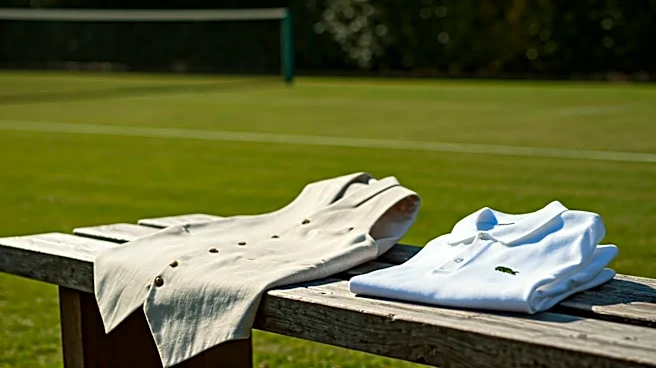

The Court's Stifling Uniform
Imagine playing a strenuous, sun-drenched sport while wearing long flannel trousers, a starched, long-sleeved dress shirt, and sometimes even a tie. This wasn't a bizarre costume; it was the standard uniform
for male tennis players in the early 20th century. The “tennis whites” tradition was born from a desire to appear respectable and to minimize the appearance of sweat on the privileged lawns of clubs like Wimbledon. But the clothing was utterly impractical. It was heavy, restrictive, and suffocating. Players would roll up their sleeves only to have them fall back down mid-swing. The sport was evolving, with athletes becoming faster and more powerful, but their attire was stuck in a bygone era of formal garden parties. The stage was set for a revolution, not just in play, but in style.
Enter the Crocodile
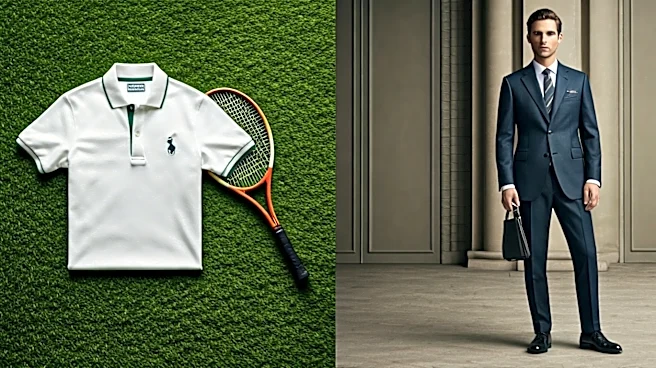
The revolution arrived in the form of a French tennis superstar named René Lacoste. Nicknamed “The Crocodile” for his on-court tenacity, Lacoste was an analytical player who applied the same problem-solving mindset to his wardrobe. Frustrated with the restrictive court-wear, he took a radical step. Inspired by the short-sleeved shirts worn by polo players, he designed his own version around 1926. He traded heavy woven fabrics for a lightweight, breathable knitted cotton called “petit piqué.” He cut the sleeves short for freedom of movement and added a soft collar that could be turned up to protect his neck from the sun. In 1933, after retiring from his playing career, Lacoste partnered with manufacturer André Gillier to mass-produce the shirt, and La Chemise Lacoste was born. It was the first time a brand logo—the now-iconic crocodile—appeared on the outside of clothing, a tribute to his famous nickname.
The Birth of Athletic Elegance
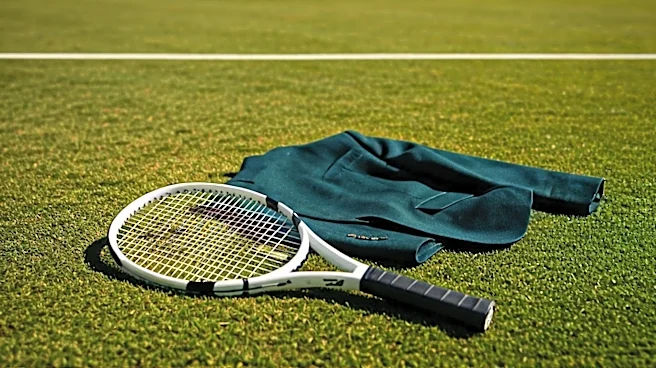
While Lacoste’s polo shirt was the decade's game-changer, the 1930s saw a broader shift towards what we’d now call sportswear. On the women's side, French player Suzanne Lenglen had already scandalized Wimbledon in the 1920s by playing in calf-length pleated skirts and sleeveless tops, paving the way for more athletic attire. For men, the 1930s marked the slow but steady adoption of shorts, first worn in a major competition by Bunny Austin in 1933. Yet, the era didn't abandon elegance entirely. The image of the 1930s sportsman retained a sense of tailored grace. Flannel trousers, though less practical, were still common, often paired with V-neck cable-knit sweaters. The linen waistcoat, mentioned in the headline, fits into this narrative as part of the off-court or spectator wardrobe—a piece that projected an air of sophisticated leisure. It was the perfect garment for a gentleman enjoying a day at the club, symbolizing the intersection of sport and high style that the decade came to define.
From Court to Modern Classic
The innovations of the 1930s, spearheaded by Lacoste, laid the foundation for the entire modern sportswear industry. The principle that clothing should be functional for sport but stylish enough for everyday life was revolutionary. The Lacoste polo shirt moved from the tennis court into the daily wardrobe, becoming a transgenerational icon and a staple of the American “preppy” look by the 1980s. Today, the brand’s heritage is a direct line back to René Lacoste's original vision. The L.12.12 polo—named for its prototype code (L for Lacoste, 1 for the fabric, 2 for short sleeves, and 12 for the final version)—remains a bestseller. The 1930s dressing codes weren't just about a single garment; they represented a new philosophy. It was about freeing the body to perform while maintaining an effortless elegance. This blend of comfort and chic, born on the tennis courts of the Roaring Twenties and Depression-era thirties, is a style language we still speak fluently today.