






That Tingle Down Your Spine Has a Name
First things first: that physical sensation of shivers or goosebumps from music is a recognized phenomenon called "frisson." It’s a French word for “shiver,” and it’s a measurable psychophysiological response to an emotional trigger, like a dramatic crescendo
or an unexpected harmony. Researchers have found that when you listen to music, your brain is constantly making predictions about what will come next. When the music violates those expectations in a pleasant way—like when a surprise guest walks on stage or the whole crowd erupts into a beloved chorus—your brain's reward system gets a jolt. This releases a rush of dopamine, the same neurotransmitter associated with pleasure and reward, creating that powerful, tingly feeling. Studies show that between 55 and 86 percent of people have experienced frisson, so if you've felt it, you're in good company.
The Power of Many Voices
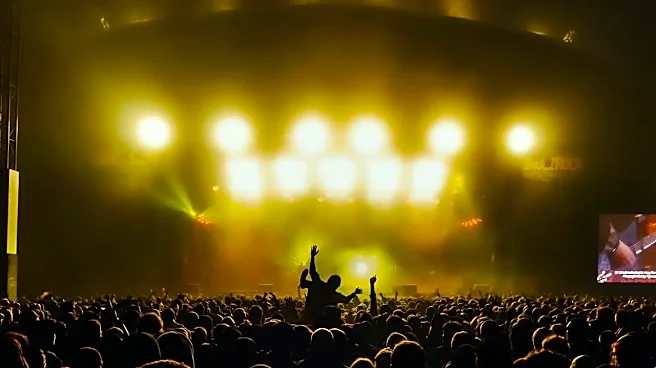
Singing alone is one thing, but singing in a crowd is a completely different beast. This is where a sociological concept called “collective effervescence” comes into play. Coined by sociologist Émile Durkheim, it describes the electric energy and sense of unity people feel when they come together and share in a single, focused activity. At a festival, the individual sense of self can soften, a process called deindividuation, making you feel less like a single person and more like part of a larger, pulsating organism. This heightened sense of connection is amplified by emotional contagion. When you see and hear thousands of people around you sharing in a moment of joy, your brain's mirror neurons can cause you to simulate and adopt those same emotions, making the experience far more intense than listening to the same song on your headphones.
It's All About the Chemistry
Beyond the psychological effects, singing in a group triggers a powerful neurochemical cocktail. The star of the show is often oxytocin, commonly known as the “love hormone” or “ bonding hormone.” Studies have shown that group singing can lead to a release of oxytocin, which promotes feelings of trust, empathy, and connection. Interestingly, some research shows that while singing alone can also be beneficial, the mood-boosting, oxytocin-related effects are significantly stronger when singing in a group. At the same time, group singing has been consistently shown to lower cortisol, the body’s primary stress hormone. This combination of increased bonding chemicals and decreased stress chemicals creates a potent brew of well-being, making you feel safe, connected, and euphoric all at once.
Newport: The Perfect Human Laboratory
All these factors come together in the unique environment of the Newport Folk Festival. Unlike many massive festivals, Newport has a deep history rooted in community, activism, and participation. The festival's culture actively encourages collaboration and surprise singalongs, from its iconic finales of songs like "We Shall Overcome" to unexpected artist collaborations. The very definition of “folk” at Newport has expanded to be less about a specific sound and more about community and shared stories. This creates a space where the barriers between performer and audience are uniquely thin. When thousands of people, already primed for connection by the festival's history and ethos, join their voices to sing a song that carries decades of cultural weight, they create the perfect conditions for frisson and collective effervescence to take hold.