
An Unparalleled Canvas of Darkness
The foundation of Burning Man’s dramatic visual experience is the profound darkness of its location. The Black Rock Desert playa is a massive, flat, ancient lakebed far from the light pollution of any
major city. This creates a near-perfect canvas of black. With sparse population, minimal atmospheric moisture, and cloudless skies, the darkness is not merely the absence of light but a defining feature of the environment. This level of darkness resets our visual baseline. Our eyes, freed from the constant glow of urban life, become more sensitive. When a light source does appear—whether a distant art car or a towering flame—it doesn’t have to compete with ambient light. It stands in stark, singular contrast against a void, making it appear brighter, sharper, and more significant. This intense contrast primes our brains to pay attention, creating a heightened sense of focus and wonder.
The Physics of Desert Air
The air itself plays a crucial role in this sensory drama. Desert air is exceptionally dry and clear. Low humidity means fewer water particles are suspended in the atmosphere to scatter and diffuse light. As a result, light from a fire or an LED installation travels in a more direct, uninterrupted line to your eye. This lack of diffusion is why distant objects appear with uncanny clarity and why points of light don't have the soft, hazy halo we're accustomed to in more humid climates. Furthermore, the flat, expansive nature of the playa allows for an unobstructed line of sight that can stretch for miles. This combination of clear air and flat terrain means that a fire sculpture miles away can seem both incredibly distant and intimately present, a bizarre perceptual trick that adds to the surreal quality of the landscape. At times, temperature differences between the hot ground and cooler air can even cause light to refract, creating shimmering mirages that bend reality.
The Psychology of an Empty Horizon
Our brains are wired for navigation using landmarks. In a featureless environment like the 200-square-mile playa, this system goes into overdrive. The vast, empty space can be disorienting, forcing the brain to seek out any available anchor point. A single art installation pulsing with light or a fire performance becomes more than just a spectacle; it becomes a crucial point of reference, a beacon in the disorienting expanse. This gives light and fire a profound psychological weight. Psychologically, darkness is often associated with the unknown, which can heighten feelings of alertness or even fear. When a powerful, controlled source of light like a massive burning sculpture appears, it provides not just illumination but a sense of place, safety, and shared focus. It’s a primal anchor, drawing thousands of people together and creating a powerful, collective experience in an otherwise overwhelming environment.
Art That Breathes Fire
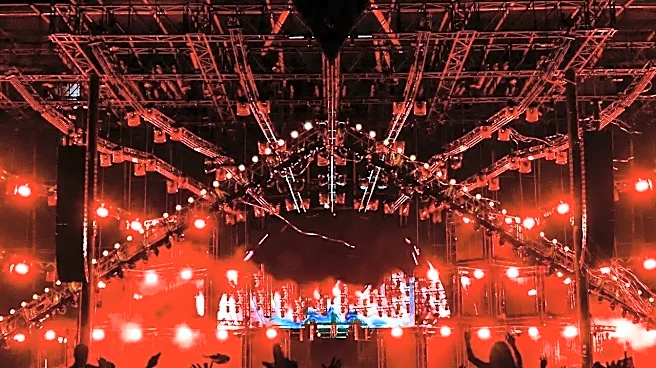
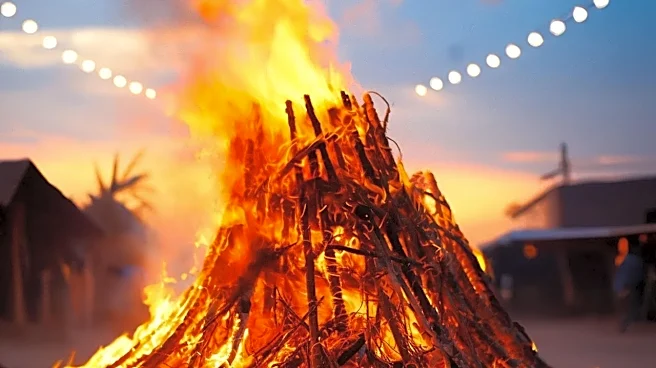
Finally, the drama is intentional. Burning Man artists understand this unique environment and exploit it to its full potential. Fire art is a core part of the event's culture, symbolizing transformation, community, and impermanence. Artists create sculptures designed to burn, using fire not just as a destructive force but as a medium. This performative use of fire—from intricate, gas-powered flame effects to the climactic burns of the Man and the Temple—is designed for maximum impact against the dark desert backdrop. What began partly as a practical need to illuminate art for safety at night has evolved into a sophisticated art form. Artists use digitally controlled LEDs, pyrotechnics, and interactive flame effects to create landscapes of light that are only truly alive after sunset. They are painting on a canvas of darkness, knowing that every spark and every flame will be magnified by the desert's unique atmospheric and psychological stage.