




A Winner-Take-All Showdown
The stage was set for high drama in Natal, Brazil. Two soccer giants, Uruguay and Italy, were facing off in their final group match. For Italy, a draw would be enough to advance to the knockout rounds. For Uruguay, only a win would keep their World Cup
dreams alive. The tension was palpable. The game itself was cagey and physical, a tactical chess match played in the sweltering Brazilian heat. Italy went down to 10 men just before the hour mark, adding another layer of desperation and intensity to the contest.
The Bite Heard 'Round the World
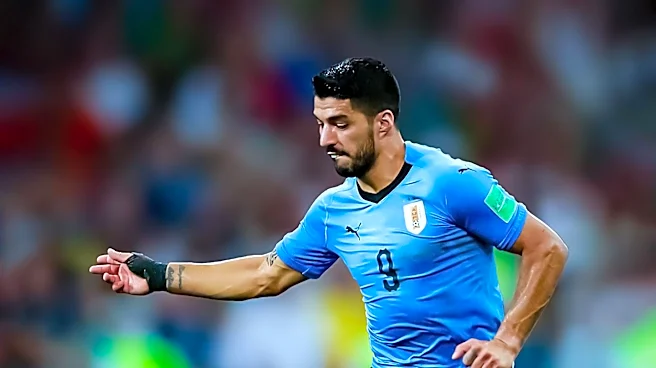
Then, in the 79th minute, came the moment that would define the match, the tournament, and a player's legacy. As Uruguayan striker Luis Suárez and Italian defender Giorgio Chiellini jostled for position in the penalty area, Suárez inexplicably lunged forward and bit Chiellini on the shoulder. Chiellini recoiled, pulling his jersey down to show the referee the fresh bite marks, but the official missed the incident entirely. Suárez, meanwhile, fell to the ground clutching his teeth as if he were the victim. The world watched in disbelief as instant replays confirmed the shocking, almost toddler-like transgression on soccer's biggest stage. It wasn't even the first time; Suárez had been banned twice before for biting opponents in club matches.
A Goal, an Exit, and Global Outrage
Just two minutes after the bite, Uruguay's Diego Godín scored a header from a corner kick, securing a 1-0 victory. Uruguay advanced; Italy, the 2006 world champions, were eliminated. But the result was instantly a footnote. The story was the bite. Global media exploded. Memes flooded the internet. The incident became a bizarre cultural touchstone, transcending sports to become a global punchline and a serious disciplinary crisis for FIFA, soccer's governing body. The question wasn't who won, but what would FIFA do about Suárez?
FIFA Delivers a Landmark Ban
FIFA responded with unprecedented severity. Unable to ignore the mountain of video evidence, they launched a disciplinary investigation. Two days later, the verdict came down: Suárez was banned from all football-related activities for four months, suspended for nine international matches, and fined over $100,000. It was one of the harshest punishments ever handed down in World Cup history. The ban knocked him out of the rest of the tournament—Uruguay would lose their next match without him—and kept him off the field for his club, Liverpool. The punishment sent a clear message: even if the referee misses it, there's no hiding in the modern era of sports television.
A Legacy of Infamy and Forgiveness
The incident cemented Luis Suárez's reputation as a brilliant but deeply controversial player. Yet, in a strange twist, the victim was remarkably forgiving. Giorgio Chiellini later called the ban "excessive" and expressed sympathy for Suárez and his family. Years later, he wrote in his autobiography that he understood the intense, win-at-all-costs mentality that drove his opponent. The bite became more than just a shocking moment; it was a flashpoint in the discussion of player conduct, the use of video evidence before the formal arrival of VAR (Video Assistant Referee), and the line between competitive fire and unacceptable behavior. It ensured the 2014 match between Italy and Uruguay would be remembered not for its tactical battle or dramatic late goal, but for an act of aggression more suited to a playground than a World Cup pitch.