








The Coach’s Last Stand
First, understand what the coach is doing. By this point, complex tactical instructions are useless. This huddle is about psychology and logistics. The manager’s primary job is to project absolute calm and confidence, even if their stomach is in knots.
They’ll offer a few final words of encouragement, reminding players of their quality and telling them to pick a spot and commit. The most crucial part of their job, however, is finalizing the list of the first five penalty takers. This list has likely been discussed and practiced for days, but fatigue, injuries, and last-minute nerves can force changes. The manager reads the room, looking into the eyes of their players to see who is ready for the intense, lonely walk from the center circle to the penalty spot.
Watch For: The 'Volunteer' vs. The 'Volun-told'
This is where the human drama begins. Who steps up? In every huddle, there are two types of penalty takers. First, you have the confident volunteers—the team’s designated specialist, the star striker who lives for the big moment, or the veteran defender who has done this a dozen times. They often make eye contact with the coach immediately. Then you have the 'volun-tolds.' These are players the coach trusts, perhaps due to their excellent technique in practice, but who may not be brimming with confidence. Watch the body language. Is a player looking at their feet, avoiding the coach's gaze? Is a teammate putting an arm around another, offering support? This selection process is a tense negotiation of confidence, duty, and pure fear. Some of the most memorable shootout moments, both heroic and tragic, have come from players who were ninth or tenth on the list and never expected to take one.
Notice: The Strategic Order of Takers
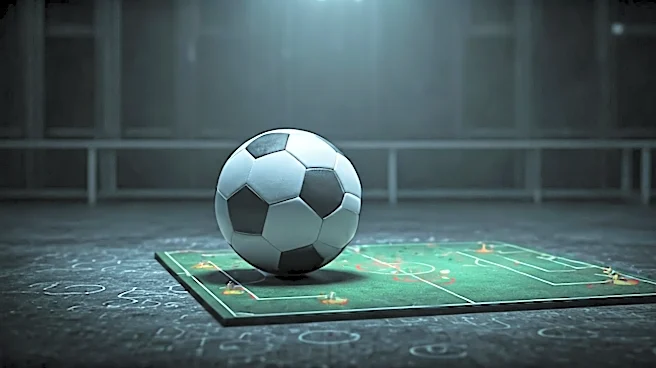
The sequence of the first five takers is a huge strategic debate. Pay attention to who goes first and who is slated for the crucial fifth spot. There are two main schools of thought. One argues for putting your best, most reliable taker first. A successful opening penalty puts immense pressure on the opposition immediately. The other school saves its best taker for the fifth slot—the potential glory kick that could win the shootout. The risk? If your team misses earlier kicks, your best player might not even get a chance to shoot. Also, look at the mix. Coaches often try to sandwich a less confident player between two mentally strong veterans to provide a psychological buffer. The order isn't random; it's a calculated gamble on momentum and mental fortitude.
Don’t Forget: The Goalkeeper’s Final Prep
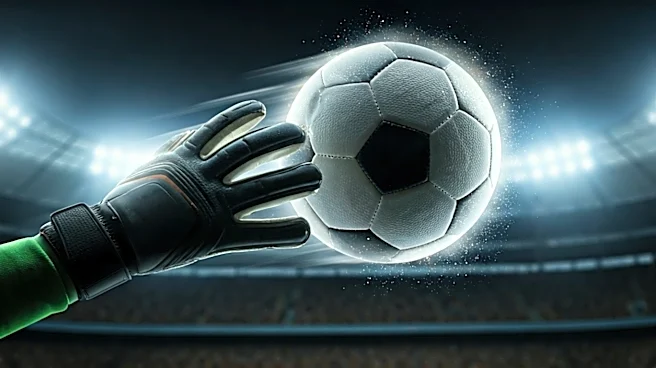
While one huddle gets all the attention, the goalkeeper is having their own critical moment with the goalie coach. They aren’t just standing there waiting. They are often reviewing a cheat sheet, sometimes tucked into a water bottle or a towel, with information on the opposing team's likely penalty takers. It might show which way a certain player tends to shoot—high, low, left, or right. This is their final cram session. Beyond the data, this is about getting into the right headspace. The keeper’s job is unique; they are not expected to save any penalties, so any save they make turns them into a hero. Their coach is reminding them of this, telling them to be big, trust their instincts, and play mind games with the taker. They are preparing for a battle of wills.
See: The Team's Collective Breath
Finally, once the order is set and the huddle breaks, watch what the other players do. They will lock arms on the halfway line, becoming a single, swaying unit. This isn’t just for show. It’s a powerful symbol of unity and shared fate. They are in it together, riding every single kick as one. They’ll live and die with every shot, their reactions often telling you the story before the crowd’s roar does. For the player walking to take the kick, that long, lonely journey is made just a little more bearable by the sight of their teammates, physically connected and supporting them from afar. It’s a silent promise: whatever happens, you are not alone.