


An Art Form Disguised as a Knob
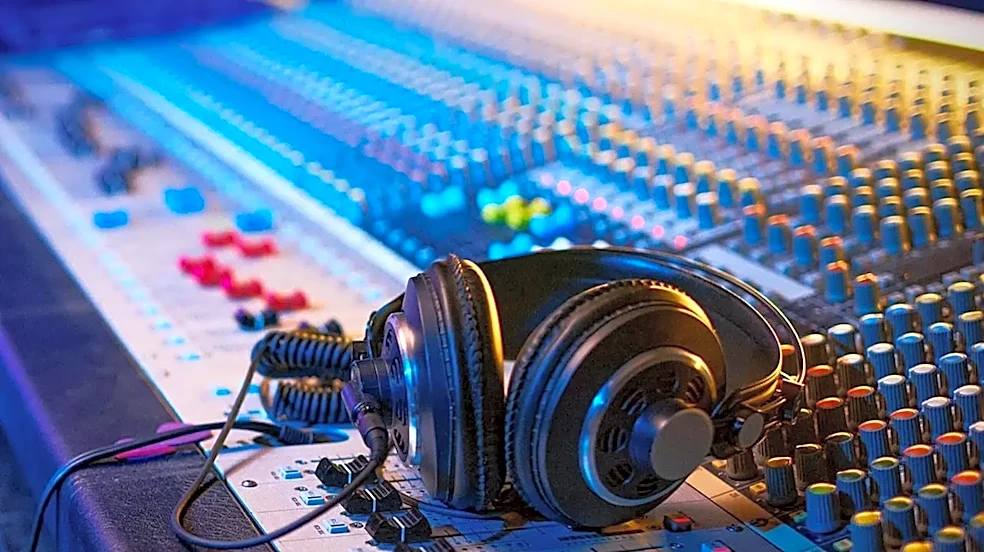
First, let's get one thing straight: a live sound engineer does more than just make things louder. Their job is to be a real-time producer, shaping the sound to fit the space, the artist's intention, and the audience's ears. They are balancing dozens
of inputs—from the kick drum and the lead vocal to the synth melody and the backing track—and blending them into a cohesive whole. For a single band in a controlled theater, this is already a monumental task. For a festival with back-to-back artists across wildly different genres, it’s a marathon of sonic problem-solving.
The Genre Gauntlet
Camp Flog Gnaw is famous for its eclectic, genre-bending lineups curated by Tyler, the Creator. One moment you might have a hardcore band like Turnstile, and the next, the soulful R&B of an artist like Syd or Steve Lacy, followed by the bass-heavy trap of Future. Each genre has completely different audio needs. Hip-hop often demands a powerful, clean low-end for its 808s to hit you in the chest without turning into muddy noise. R&B requires immense vocal clarity, ensuring every delicate run and harmony cuts through a lush instrumental bed. Rock music needs to capture the raw energy of live drums and crunchy guitars without becoming a wall of distortion. An engineer has mere minutes during a set change to pivot from one sonic universe to another, completely re-calibrating their approach for the next artist.
Fighting Physics and the Clock
Outdoor festivals like Camp Flog Gnaw, held on the expansive grounds of Dodger Stadium, are an audio engineer’s nightmare. Unlike an acoustically treated concert hall, they have to battle the elements. Wind can literally blow sound waves away, creating dead spots in the crowd. Temperature and humidity changes throughout the day affect how sound, particularly high frequencies, travels through the air. Then there's the issue of sound bleed from other stages, where the bass from a DJ set half a mile away can interfere with a quiet acoustic performance. Engineers use sophisticated measurement tools and speaker arrays to create as even a listening experience as possible, but it's an imperfect science against unpredictable variables.
Every Artist Has a Different Blueprint
To add another layer of complexity, major artists don't just show up and plug in. They travel with their own sound engineers who have a specific vision for their live show. The festival's lead audio team has to collaborate with each incoming crew, accommodating their needs while maintaining consistency for the overall event. One artist might want a raw, aggressive mix, while the next insists on a polished, studio-perfect sound. This involves quick, high-stakes negotiations and technical adjustments, often with tens of thousands of fans waiting. When it goes right, it’s seamless. When it goes wrong, you get the uneven sound that can frustrate festival-goers.