




A Canvas, Not Just a Catalog
Most major film festivals define themselves by their exclusivity and high-profile world premieres. While the London Film Festival (LFF) certainly has its share of red-carpet galas, its core identity is built on something different: sheer breadth. Presenting
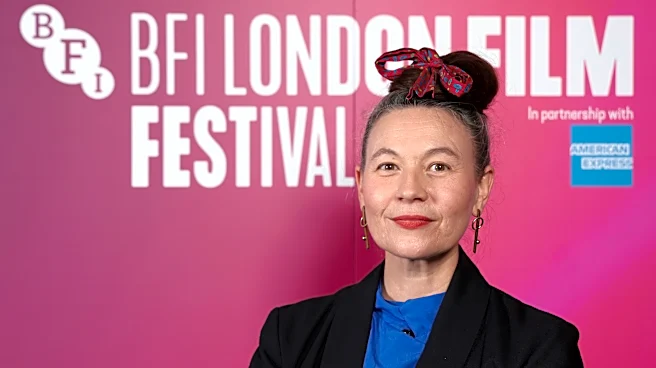
hundreds of works, the festival functions as a sprawling, real-time survey of what cinema is and can be. Festival Director Kristy Matheson has noted that the program is designed to capture the 'tumults of the era' while also exploring 'care and community'. This isn't just a random assortment of movies; it's a curated ecosystem where a blockbuster from Hollywood can exist alongside a quiet documentary from a first-time filmmaker. The scale provides the necessary canvas to paint a picture of global cinema that is complex, contradictory, and deeply human.
Juxtaposition Creates the Conversation
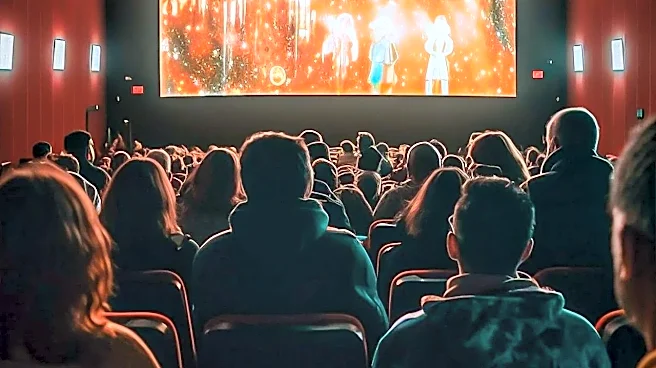
The festival’s magic lies in its programming juxtapositions. The 2026 edition, for instance, opens with Simon Stone's drama 'Elsinore' and closes with Jesse Eisenberg’s musical comedy 'The Debut'. In between, audiences can find everything from high-profile animated features like Laika's 'Wildwood' to television series premieres and experimental shorts. By placing these disparate works within the same program, the LFF encourages attendees to see the connections. It breaks down the silos that often separate mainstream film, arthouse cinema, and episodic television. A viewer might come for a star-studded gala but leave thinking about an emerging voice from a country whose films they’ve never seen before. This approach transforms passive viewing into an active process of discovery, where the story is found in the dialogue between the films themselves.
Finding a Path with Thematic Strands
To guide audiences through its vast offerings, the LFF organizes its program not by genre or country of origin, but by thematic strands. With names like 'Love', 'Debate', 'Laugh', 'Dare', 'Thrill', and 'Journey', these categories group films by the feeling or idea they evoke. This is the festival’s most direct storytelling tool. It explicitly asks the audience: what are you in the mood for? A film in the 'Debate' strand from South Korea might be paired with one from the United States, linked by their shared desire to spark conversation. This curatorial choice encourages audiences to look beyond cultural context and connect with the universal human experiences at a film’s core. It’s a way of making a 251-title program feel navigable and personal, turning a potentially intimidating catalog into a series of curated pathways.
A 'Festival of Festivals' with a Purpose
While the LFF boasts dozens of world and European premieres, Kristy Matheson has stated that securing premieres is not the 'organising principle' for the festival. Instead, it has carved out a crucial niche as a 'festival of festivals', bringing the best of Cannes, Berlin, Venice, and Sundance to a wider UK audience, often for the first time. This makes it an essential stop for film lovers who want a comprehensive look at the year's most important cinema without having to travel the globe. Its scale allows it to serve this vital role while also being a powerful engine for new talent through its 'Works-in-Progress' showcases and industry networking events. It simultaneously celebrates the established canon of the festival circuit and actively builds the next generation of filmmakers, making its story about global cinema both a retrospective and a forecast.