





The Two Halves of the Magic Kingdom
To understand the strategy behind *Toy Story 5*, you first have to understand that The Walt Disney Company operates as two interconnected halves: the storytellers and the sellers. The studio side, including Pixar, creates the beloved characters and narratives.
The other side, now largely under the Disney Experiences umbrella, is responsible for turning that affection into revenue through theme parks, resorts, and, crucially, consumer products. In fiscal year 2023, the division containing parks and products generated over $32 billion in revenue. That's not a side hustle; it's a core pillar of the business. For a franchise like *Toy Story*—a story literally about toys—the link is even more direct. A successful film is fantastic, but a successful film that also launches a new bestselling toy line is the holy grail. It means the movie continues making money for years, long after it has left theaters and streaming platforms.
The 'Toyetic' Litmus Test
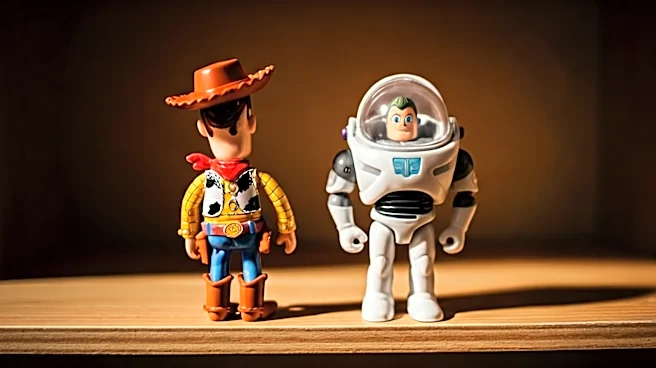
In the world of animation and toy manufacturing, there's a key concept: “toyetic.” It’s a simple but powerful idea: how naturally does a character translate into a physical toy that a child would want to play with? Some characters are inherently more toyetic than others. They might have a unique shape, a compelling gimmick, or a simple, iconic design. Forky from *Toy Story 4* is the ultimate example of this principle in action. He wasn't just a character; he was a craft project. His simple, spork-based design was instantly recognizable and, more importantly, reproducible. This led to a wave of official Forky toys, build-your-own-Forky kits, and countless Halloween costumes. He was a merchandising phenomenon born from a character who was literally handmade trash. For *Toy Story 5*, the creative team is undoubtedly under pressure to not only write a compelling new friend for Woody and Buzz, but to design one that passes the toyetic test with flying colors. The goal is to create a character that feels essential to the plot *and* looks great in a blister pack.
Building the Pipeline from Day One
This commercial consideration isn't an afterthought tacked on by the marketing department once the film is finished. The consumer-products strategy is baked into the development process from the early stages. This doesn't mean that executives in suits are dictating story beats to Pixar’s revered artists. Instead, it’s a more organic, symbiotic relationship. Character designers, story artists, and directors are acutely aware of the dual purpose their creations serve. As they sketch new concepts and develop personalities, the potential for merchandise is part of the conversation. Does this character have a unique feature that could be a toy's action button? Can their design be simplified for mass production without losing its charm? This early integration creates a “character pipeline” where potential stars are vetted for both their narrative value and their marketability. It ensures that by the time a character is finalized for the screen, the groundwork has already been laid for their debut in the toy aisle.
De-Risking a Billion-Dollar Bet
Modern animated blockbusters are astonishingly expensive, often costing $200 million or more to produce, plus another massive budget for global marketing. That’s a huge financial risk. A robust consumer-products pipeline is Disney’s primary method of de-risking that investment. A strong box office performance is great for a few months, but merchandise sales create a long-tail revenue stream that can last for a decade or more. Just look at the enduring popularity of Lightning McQueen from *Cars* or Elsa from *Frozen*. Those characters continue to generate billions in merchandise revenue years after their films premiered. By designing new *Toy Story* characters with their toy potential in mind, Disney isn't being cynical; it's being strategic. It’s ensuring the franchise's financial health and justifying the enormous expense of production. A hit new toy from *Toy Story 5* could generate enough profit to fund several future Pixar films, perpetuating the cycle of creativity and commerce.