


An Unmistakable Vibe in New Orleans
Every July, New Orleans transforms into the epicenter of Black culture for the Essence Festival of Culture. The 2026 event was no different, packing the Caesars Superdome for nightly concerts and the Ernest N. Morial Convention Center for free daytime
panels on everything from entrepreneurship to wellness. The air buzzes with more than just humidity; it's the energy of a homecoming, a citywide family reunion where the shared language is joy. The lineup was a masterclass in cultural relevance, featuring the festival debut of Cardi B, the much-anticipated pairing of Brandy and Monica, and living legends like Patti LaBelle and George Clinton. On the surface, the hype is easy to understand—it’s a party with a purpose, stacked with stars. But the true magic isn't just on the mainstage.
It’s Not the Shouting, It’s the Singing
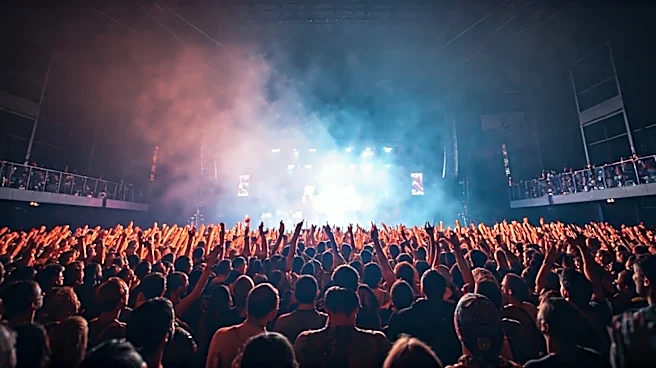
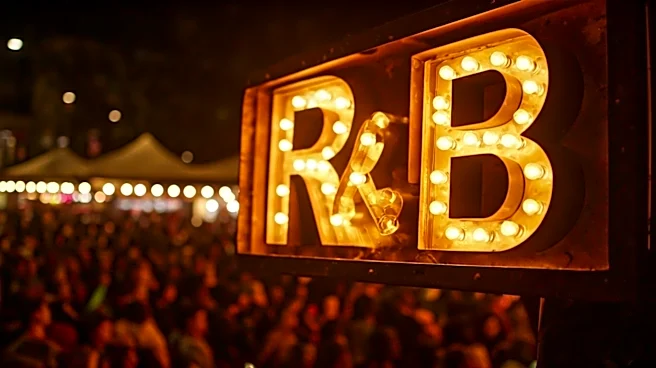
The obvious reaction at any concert is the roar of the crowd when a beat drops or a headliner walks out. But the hidden detail at Essence Fest is different. It’s not about the volume of the cheers; it’s about the unity of the singalongs. The key isn't just *what* people are singing, but *who* is singing along. This year, you could see it during the Saturday night block dedicated to R&B lovers. When an artist like Babyface, whose catalog has shaped decades of music, took the stage, it wasn't just the 40- and 50-somethings singing every word. It was their kids. It was the Gen Z fans who came for Kehlani or Latto but knew the hook to every classic their parents played on Sunday mornings. The hype isn’t just noise; it’s harmony, sung across generations.
A Shared Cultural Playlist
This intergenerational singalong is the secret sauce of Essence Fest. It reveals that the event is more than a music festival; it’s a living archive of Black music and culture. The lineup is intentionally built to create these moments. Friday night might feature the current chart-toppers like Cardi B and Latto, while Sunday closes with foundational acts like Public Enemy and a 50th-anniversary celebration of George Clinton's Mothership. This isn't random scheduling; it’s a conversation between the past, present, and future. The crowd’s reaction shows that the conversation is working. When thousands of people, from teenagers to grandparents, can sing along to a '90s R&B deep cut and a current TikTok hit with equal passion, it proves the festival's role as a primary keeper of the cultural playlist. It’s a space where musical history is not just remembered but actively passed down in real-time.
More Than a Festival, It's a Pilgrimage
That small detail—the cross-generational recognition of a melody or a lyric—explains why over 70% of attendees travel from outside Louisiana for this event. It’s a pilgrimage. The festival is a physical manifestation of a community connected by shared experiences, tastes, and traditions. The daytime programming, with its focus on wellness, beauty, film, and economic empowerment, reinforces this. You can attend a Beautycon panel with Lala Anthony, see a film curated by Sanaa Lathan, or join a wellness session led by Keke Palmer. It’s a holistic celebration of Black life and excellence. The music is the anchor, but the sense of belonging is the true draw. People come to feel seen, to recharge, and to connect with every facet of the culture in one place. That feeling is something you can’t get from just streaming a playlist.