

The Illusion of Effortlessness
In a drama, an editor can let a moment breathe. A long, lingering shot on a character’s face can build tension or convey deep sadness. In comedy, the opposite is often true. Unnecessary pauses are the enemy of humor. The primary job of a comedy editor is to create
a sense of pace and energy that feels natural and spontaneous, even when it’s been painstakingly constructed from dozens of takes. Unlike drama, which has a wide margin for emotional interpretation, comedy has one clear goal: be funny. If the audience doesn't laugh, the scene has failed. This binary outcome makes the editor's job uniquely high-stakes. They must trim every ounce of fat to protect the rhythm of a joke, because even a few extra frames can be the difference between a roar of laughter and dead silence.
The Tyranny of Rhythm and Pacing
Rhythm is everything in comedy, from the setup of a joke to its punchline. Editors often describe their work as being similar to composing music, creating cycles of tension and release that guide the audience's emotional response. A fast cutting pace can build energy in a witty dialogue scene, while an abrupt cut can itself be the punchline, catching the audience off guard. Editors must feel the tempo of a scene instinctively. They might tighten the space between lines of dialogue to create a frantic, overlapping feel popularized in shows like “Veep,” or hold a shot for an excruciatingly long time to amplify the awkwardness in cringe comedies like “The Office.” Every cut, or lack thereof, is a calculated decision designed to manipulate the audience's response and maximize the comedic impact.
Constructing the Perfect Performance
Actors deliver the lines, but editors often build the performance. Modern comedies are frequently shot with multiple cameras to capture every angle of a scene, especially when improvisation is involved. This gives the editor a mountain of footage to sift through. Their task is to find the perfect combination of line delivery from one take, a reaction shot from another, and a subtle eye-roll from a third. In this sense, the editor becomes a co-creator of the character's performance. They might feature a wide shot to emphasize hilarious body language or punch in on a close-up to catch a fleeting facial expression that sells the joke. As Roger Nygard, an editor known for his work on “Curb Your Enthusiasm,” explains, the problem with a failing joke is almost always in the setup, not the punchline, a problem the editor must solve.
The Loneliness of the Laugh Track
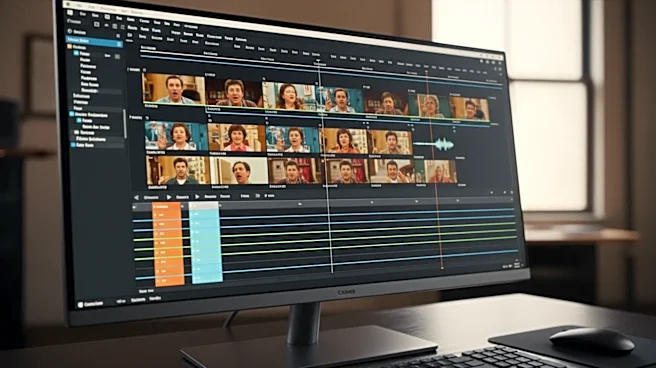
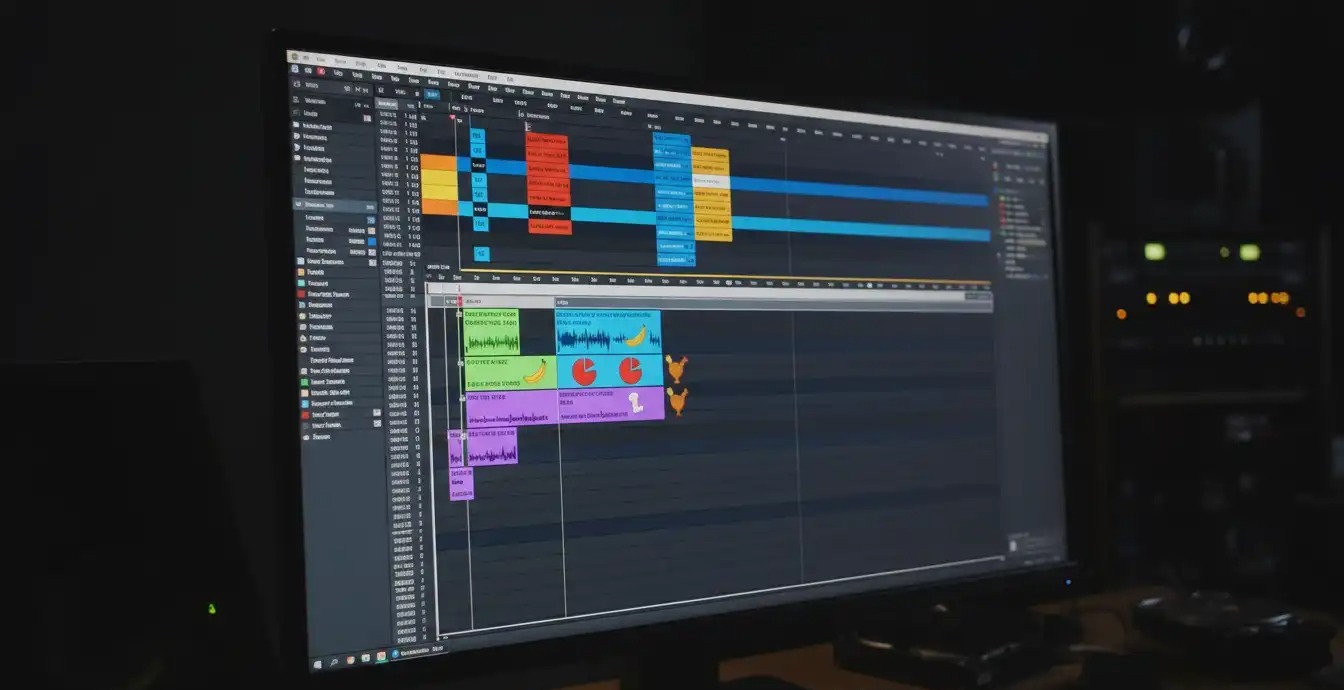
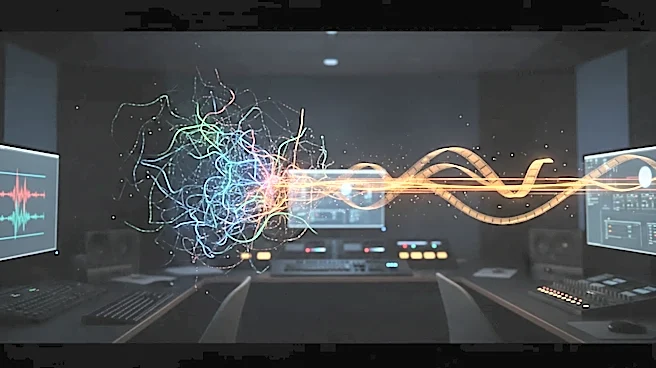
One of the biggest challenges for a comedy editor is the absence of an audience. While a stand-up comedian gets immediate feedback, an editor works in the quiet of an edit bay, watching the same scene hundreds of times. Humor is subjective, and what is hilarious on the first viewing may feel stale by the 50th. This forces editors to develop a unique kind of creative discipline, trusting their initial instincts while trying to maintain a fresh perspective. Many rely on bringing in a colleague or holding small, informal screenings just to hear someone else laugh and confirm a joke is landing. They have to anticipate how a joke will play to a large theater audience, a task that requires an almost supernatural sense of collective humor, all from the isolation of their editing suite.