

The Science of the Glow
Before diving into aftercare, it helps to understand how a spray tan works. The magic ingredient is Dihydroxyacetone (DHA), a simple sugar that reacts with the amino acids in the outermost layer of your skin. This reaction, known as the Maillard reaction, creates
brown compounds called melanoidins that give you a temporary tanned appearance. Because this happens on the surface, your tan fades as your skin naturally exfoliates. How quickly and evenly that happens depends heavily on your skin's unique characteristics and how you treat it.
If Your Skin Is Dry
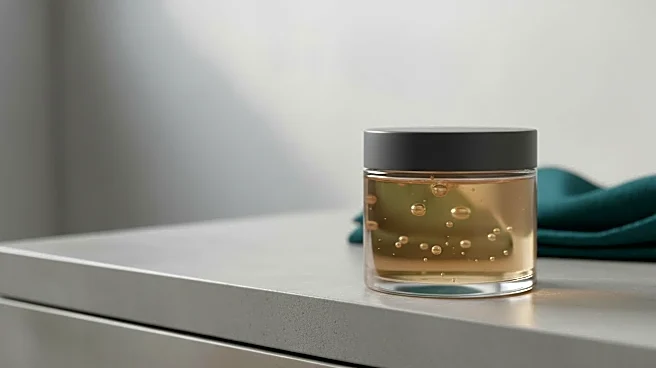
Dry skin is thirsty, and it can absorb spray tan solution unevenly. Parched areas like elbows, knees, and ankles often grab more DHA, leading to darker patches that can fade faster and look inconsistent. The key to success is hydration, both before and after your tan. In the days leading up to your appointment, moisturize diligently. After your tan, daily moisturizing becomes non-negotiable. Opt for oil-free or tan-safe lotions, as some oils can break down the tanning solution. Applying moisturizer when your skin is still slightly damp after a shower can help lock in hydration more effectively, preventing the premature, flaky fading that plagues dry skin types.
If Your Skin Is Oily
While hydration helps dry skin, excess oil can be an enemy to a fresh spray tan. Oily skin types may find their tan fades faster because the natural oils on the skin's surface can break down the DHA and cause the color to slip. Before your appointment, ensure your skin is thoroughly cleansed and free of any oily residue. Afterward, stick to oil-free moisturizers and gentle, sulfate-free body washes. Heavy, oil-based products can accelerate the breakdown of your tan. When you sweat, pat your skin dry instead of rubbing to minimize friction and prevent your tan from becoming blotchy, especially in areas where sweat accumulates.
If Your Skin Is Sensitive or Combination
Sensitive skin requires a gentle approach. The additives and fragrances in some aftercare products can cause irritation, which may disrupt the evenness of your tan. Look for fragrance-free, hypoallergenic moisturizers and cleansers. If you have combination skin—oily in some areas and dry in others—you may notice your tan fades inconsistently. The strategy here is balance. Use a lightweight, oil-free moisturizer all over, but consider applying a little extra to your drier spots to help them stay hydrated without overloading oilier zones. Proper prep, including gentle exfoliation 24 hours prior, is crucial for creating an even canvas.
Universal Rules for a Lasting Tan
Regardless of your skin type, some rules apply to everyone. The first 8-12 hours are critical for development, so avoid all moisture—no showers, sweating, or lotions. When you do take your first rinse, use lukewarm water and no soap, gently using your hands to wash off the cosmetic bronzer. For the life of your tan, keep showers short and cool, and always pat your skin dry with a towel instead of rubbing. Finally, avoid pools and hot tubs, as chlorine and prolonged soaking are the quickest ways to strip your color.