



Challenging the Gender Binary
Long before pop stars made headlines for wearing dresses on magazine covers, Jean Paul Gaultier was sending men down the runway in skirts. His 1985 collection, cheekily titled “And God Created Man,” introduced the man-skirt to high fashion, causing a media
frenzy. Gaultier wasn't just doing it for shock value; he was genuinely questioning why certain garments were coded as masculine or feminine. He argued that masculinity wasn't connected to the clothes you wear, but a state of mind. Today, that idea is the foundation of modern gender-fluid dressing. When you see artists like Bad Bunny or Harry Styles effortlessly blurring sartorial lines, you're seeing a direct echo of Gaultier’s decades-old provocation. He didn't just design a man-skirt; he helped build the cultural permission structure for a more expressive and less rigid form of masculinity.
Underwear as Outerwear
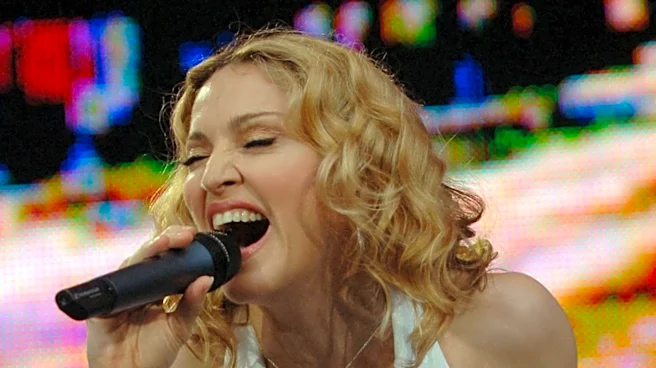
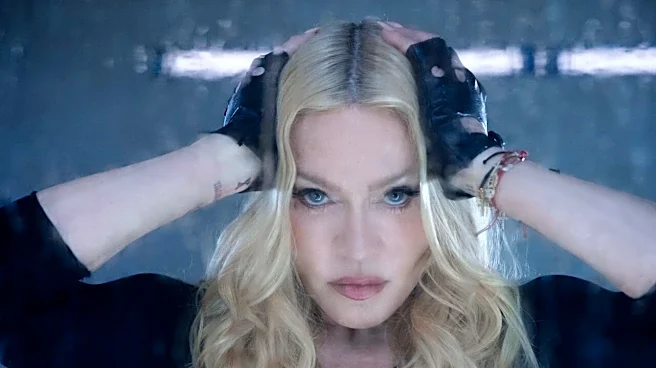
Two words: cone bra. Designed for Madonna’s 1990 Blond Ambition tour, the sharp, conical bustier became one of the most iconic images in pop music and fashion history. Gaultier had been experimenting with corsetry since the early '80s, inspired by vintage bullet bras and a desire to turn intimate apparel into a statement of power. By putting Madonna in that corset, he cemented the trend of underwear as outerwear, transforming something meant to be hidden into a symbol of female empowerment and sexual liberation. Fast forward to today, and the trend is a permanent fixture. The recent explosion of corsets, bustiers, and visible lingerie on runways and in street style isn't a new phenomenon; it's the full bloom of a seed Gaultier planted over 30 years ago. He reframed sensuality as strength, and fashion has never looked back.
A Runway for Misfits and Muses
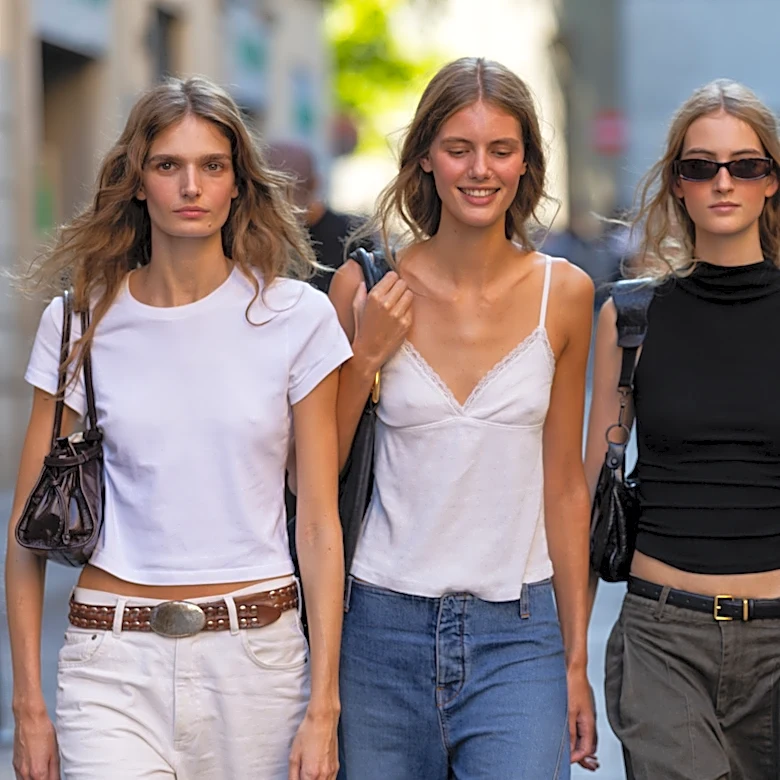
In an era when the runway was dominated by a single, impossibly tall and thin ideal, Gaultier’s shows were a joyous celebration of human diversity. He was a pioneer of inclusive casting decades before it became an industry buzzword. His catwalks featured older models, plus-size women, heavily tattooed individuals, and performers from street and club cultures. He didn't just cast models; he cast personalities. This wasn't about tokenism; it was central to his philosophy that beauty comes in all forms. He saw the clothes as coming to life through the unique people who wore them. Today, as the fashion industry continues its slow but steady march toward greater representation, it's walking a path that Gaultier paved with his insistence on celebrating the outcasts, the unconventional, and the unapologetically different.
Fashion as Spectacle
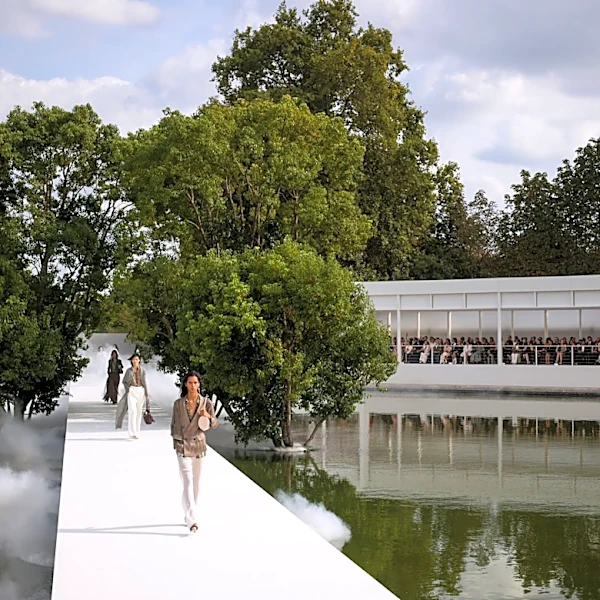
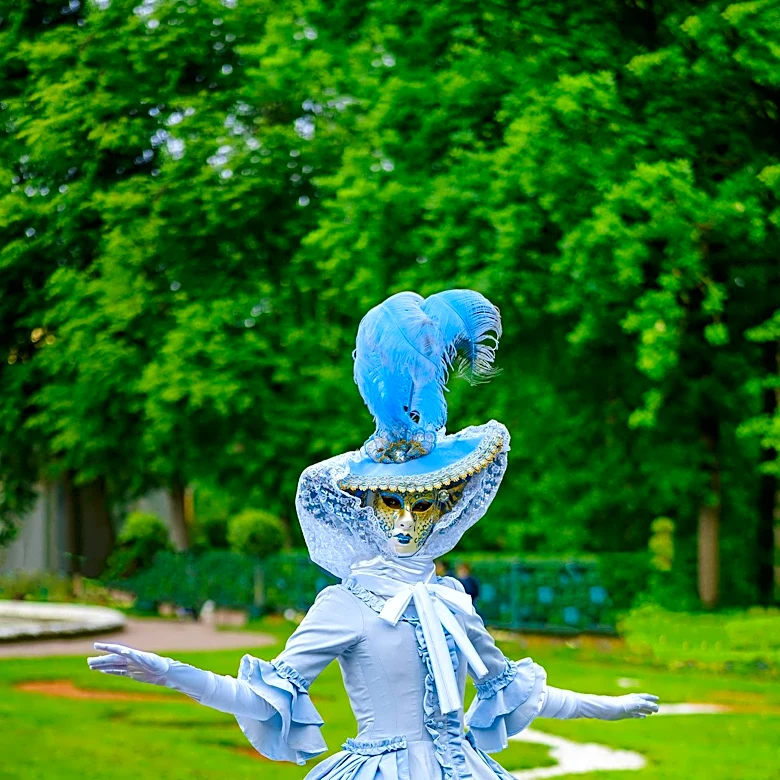
Gaultier understood that fashion wasn't just about clothes—it was about creating a world. His runway shows were legendary theatrical events, filled with humor, narrative, and pure, unadulterated joy. They were part-cabaret, part-performance art, and always a spectacle. From his sailor-striped marinière shirts to over-the-top haute couture creations, his work always had a sense of wit and irreverence. This approach, mixing high art with pop culture and street style, transformed the runway from a simple presentation into a form of entertainment. In today’s hyper-visual, social media-driven landscape, where a fashion show’s success is often measured by its viral moments, Gaultier’s vision feels incredibly prescient. He knew that the story and the spectacle were just as important as the stitch.